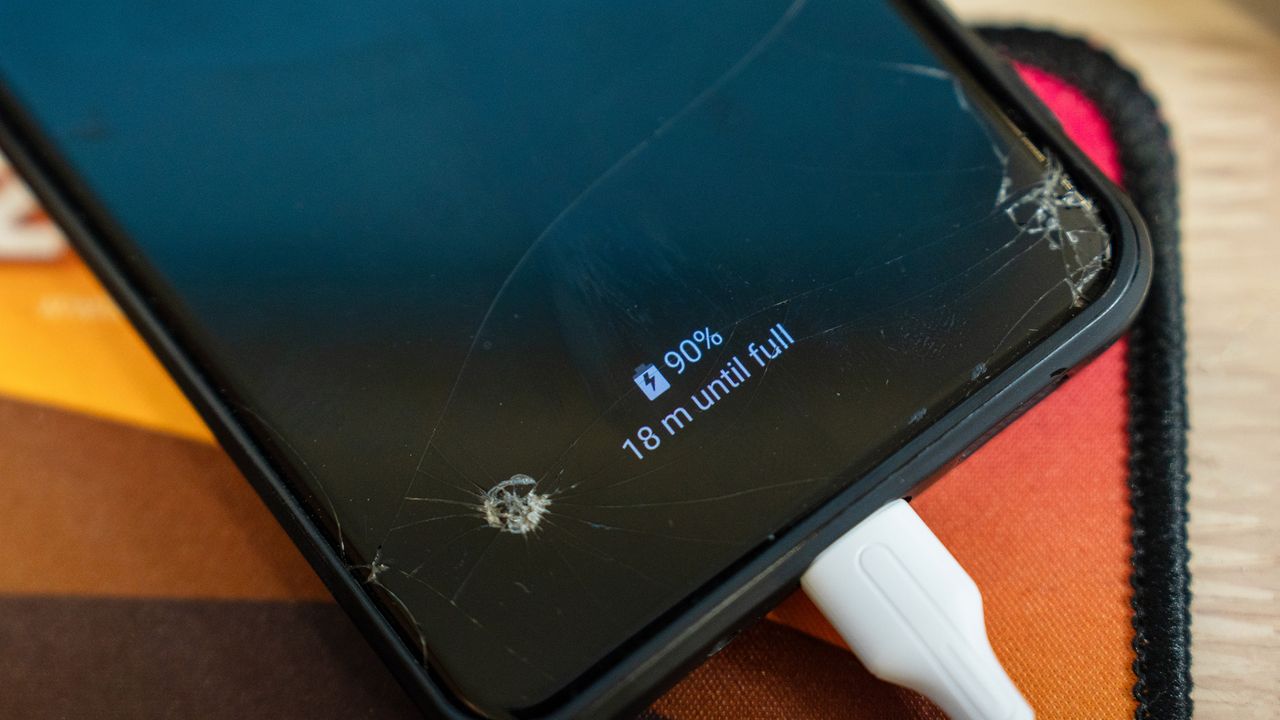
Researchers have long debated whether fast charging accelerates battery degradation compared to conventional charging methods. The answer depends on battery chemistry and how devices manage the charging process.
Fast charging works by pushing more electrical current into a battery in less time. This creates additional stress on the battery's internal structure. Lithium-ion batteries, which power most phones and electric vehicles, experience accelerated chemical reactions during rapid charging. These reactions generate heat and can cause structural changes within the battery's electrodes and electrolyte.
However, modern devices employ sophisticated battery management systems that mitigate damage. These systems monitor temperature, voltage, and current flow in real time. When conditions become unsafe, the device throttles charging speed automatically. Apple, Tesla, and other manufacturers have implemented adaptive charging algorithms that reduce fast charging rates as batteries age, minimizing long-term wear.
Studies show that charging speed matters less than overall heat generation and charging patterns. A battery charged overnight at a slow rate produces less heat than one charged rapidly, but the difference in lifespan becomes negligible if the fast-charging device includes thermal management. Research published in battery science journals indicates that a phone charged quickly with active cooling loses capacity at similar rates to one charged slowly.
The real culprits behind battery degradation are depth of discharge, temperature extremes, and total charging cycles. Repeatedly draining a battery to zero percent or leaving it fully charged for extended periods causes more damage than occasional fast charging with proper heat management.
For electric vehicles, fast charging stations employ even more aggressive thermal control. Liquid cooling systems manage temperatures during DC fast charging, extending battery life despite the rapid energy transfer.
The practical takeaway: fast charging does not inherently ruin batteries. Modern engineering has largely solved the problem through temperature monitoring and adaptive charging protocols. Users concerned about longevity should focus instead on avoiding extreme temperatures, limiting full discharge cycles, and using chargers designed for their specific device