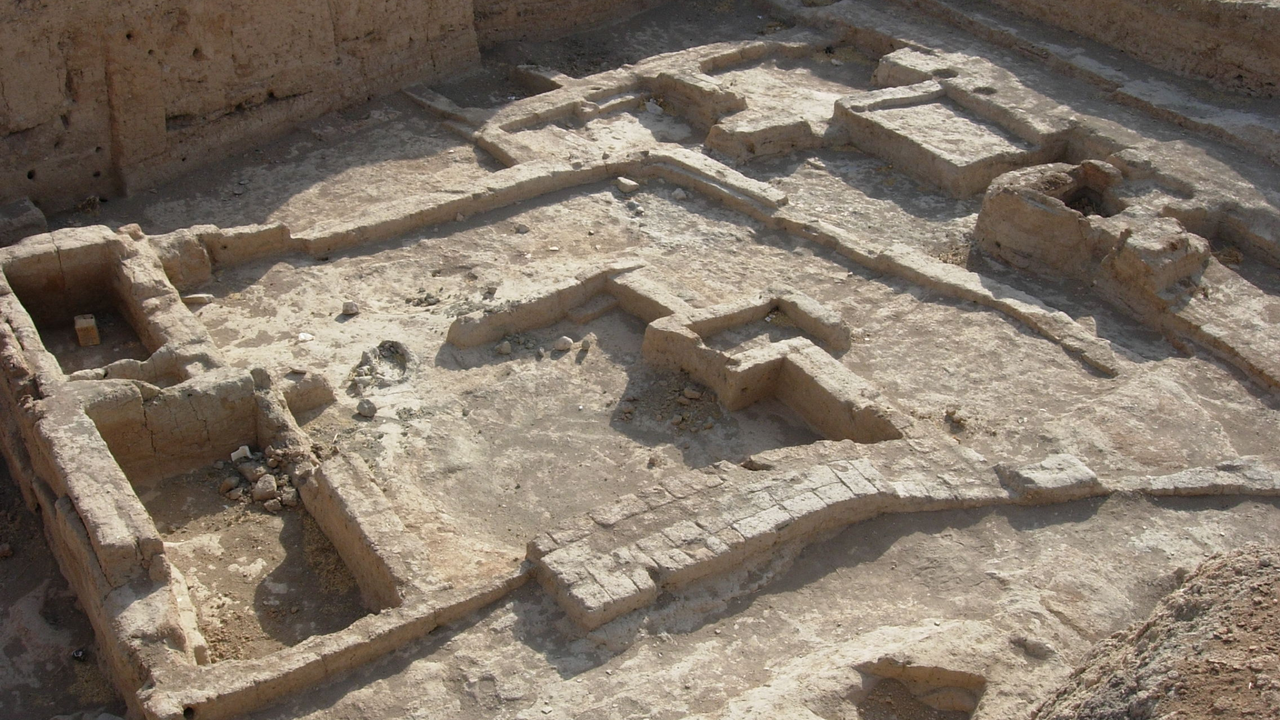
Archaeologists examining skeletal remains from Syria have identified what may be the oldest known case of child abuse in the Middle East, dating back approximately 6,000 years. The infant's broken ribs show signs of healing inconsistent with accidental injury, suggesting intentional harm.
The discovery comes from analysis of remains uncovered during excavations in Mesopotamia. Researchers documented multiple rib fractures that exhibit characteristics typical of non-accidental trauma. The healing patterns indicate the child survived the initial injuries, only to experience repeated harm over time. This pattern of injury and recovery distinguishes deliberate abuse from accidental breaks.
The finding provides rare archaeological evidence of child maltreatment in ancient civilizations. Most documentation of abuse in prehistory remains invisible in the archaeological record, as soft tissue trauma leaves no trace on bone. The severity and pattern of these fractures make them identifiable as non-accidental injury.
The research adds to a small but growing body of evidence suggesting child abuse occurred in early human societies. Previous cases from other regions date to more recent periods, making this Mesopotamian case notably early. The discovery challenges assumptions that abuse represents a modern phenomenon tied to contemporary social pressures.
Interpreting skeletal trauma requires careful analysis to distinguish between accidental injury and deliberate harm. Researchers examined fracture patterns, healing margins, and the distribution of breaks across multiple ribs. The evidence pointed toward repeated trauma inflicted on a living child rather than a single accident.
The case reflects the vulnerability of infants in ancient societies where survival rates remained low and parental stress from scarce resources was high. Whether this represents isolated violence or a broader pattern remains unclear from a single skeleton. The remains themselves offer no information about the child's identity, family circumstances, or the social response to the injuries.
This discovery underscores both the limits and possibilities of skeletal analysis for understanding human behavior in deep prehistory.