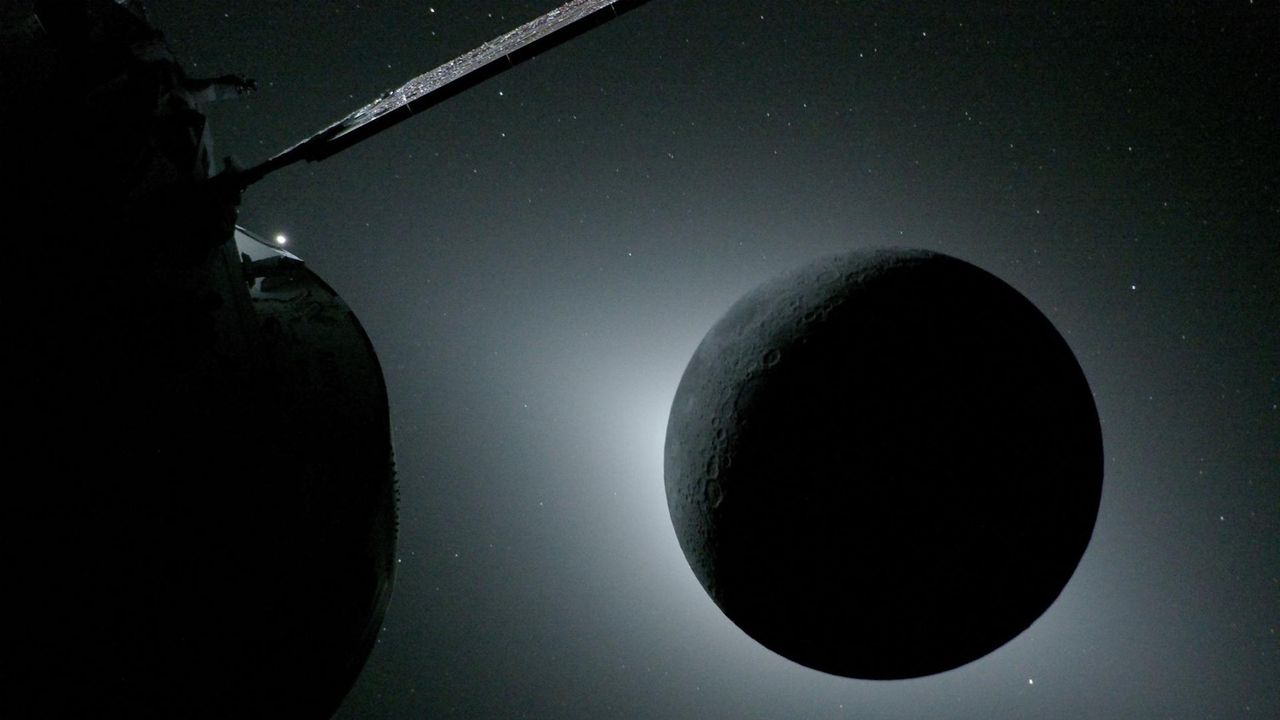
Chris White, lead communications officer for NASA's Artemis II mission, experienced some of the tensest moments of the historic lunar flyby from his desk at mission control in Houston. White oversaw communications during the uncrewed test flight that brought the Orion spacecraft and its dummy crew within 250,000 miles of the moon's surface in November 2024.
White recalls unexpected visual data that startled the control room. "The moon looked wrong," he noted, describing how the lunar imagery arriving from the distant spacecraft differed from pre-mission expectations. This gap between prediction and reality created moments of acute concern for the team monitoring what remains humanity's closest approach to the moon since the Apollo era.
The communications officer's role during Artemis II extended beyond relaying spacecraft telemetry. White managed the flow of critical information between Orion and ground control, a responsibility that became particularly intense when unexpected conditions emerged. His perspective from mission control reveals the human element behind automated space exploration, where trained professionals interpret real-time data and make split-second judgments about spacecraft safety.
NASA designed Artemis II as a crucial stepping stone toward returning humans to lunar orbit. The uncrewed flight tested all major systems of the Orion spacecraft and Space Launch System rocket that will eventually carry astronauts back to the moon. The mission's success depended partly on real-time problem-solving from the Houston team.
White's account underscores how even robotic missions depend on ground-based expertise. Modern space exploration combines automated systems with human judgment. Controllers at Johnson Space Center must interpret unexpected sensor readings, assess risks, and communicate adjustments to spacecraft operating hundreds of thousands of miles away with transmission delays measured in seconds.
The Artemis II mission concluded successfully in December 2024, validating the spacecraft's design and paving the way for Artemis III, which will attempt a crewed lunar landing in the