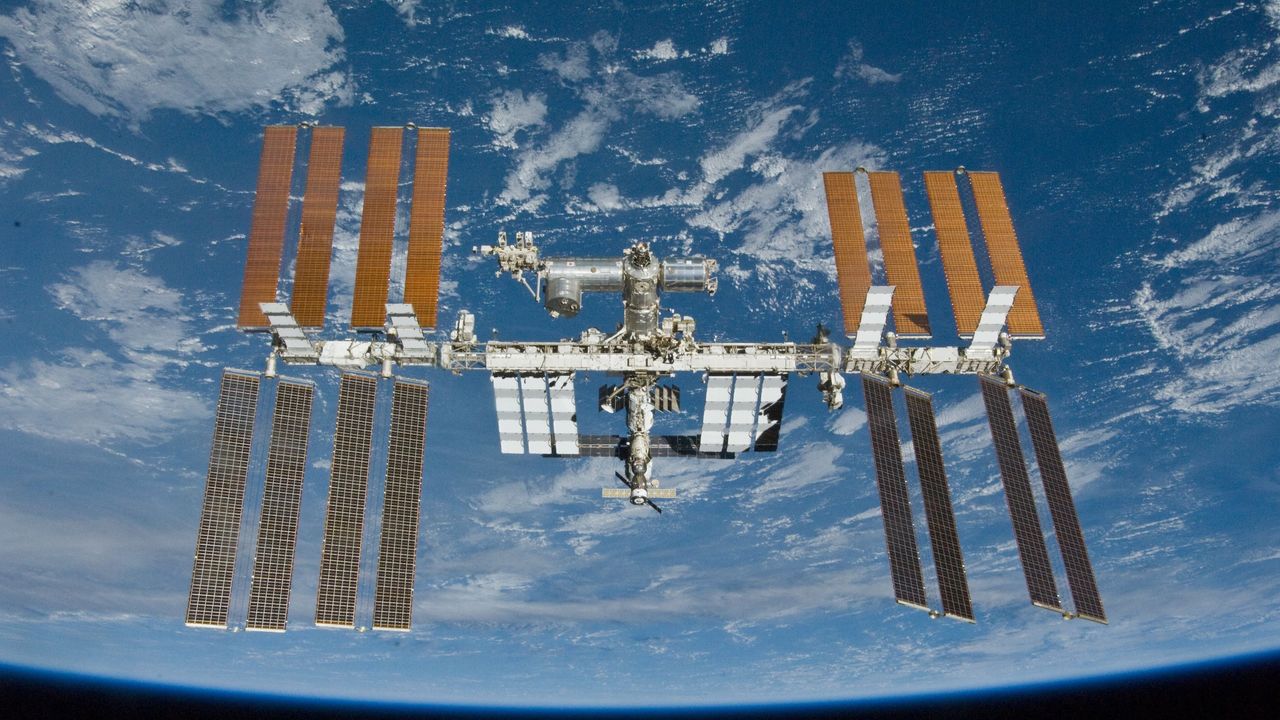
Auxilium Biotechnologies, a California-based company, has successfully bioprinted kidney and liver tissue aboard a spacecraft, marking the first time researchers have manufactured these complex organs in microgravity. The breakthrough occurred during a spaceflight experiment that demonstrated the viability of producing functional tissue outside Earth's gravity.
Bioprinting uses a precision 3D printing technique to layer biological materials, cells, and growth factors into organized tissue structures. On Earth, gravity pulls printed cells downward, limiting the complexity and architecture of tissues scientists can create. In the microgravity environment of space, cells distribute more uniformly without gravitational interference, potentially enabling the construction of tissues that more closely mimic human organ architecture.
The kidney and liver tissues produced by Auxilium represent critical organs for pharmaceutical testing and transplantation research. Current laboratory methods rely heavily on animal models and simplified 2D cell cultures, both of which poorly predict human drug responses and disease mechanisms. Space-grown tissue could bridge this gap by providing realistic, three-dimensional human organ models for drug screening before clinical trials.
This achievement addresses a persistent limitation in regenerative medicine. Traditional Earth-based bioprinting struggles to create the intricate vascular networks and cellular organization found in functional organs. The reduced gravity environment allows cells to self-assemble into more physiologically accurate structures without the constant downward pull that disrupts layering.
Auxilium's experiment builds on earlier research demonstrating that microgravity benefits tissue engineering. Previous studies showed that cancer cells, bone samples, and other biological materials develop differently in space, sometimes exhibiting properties closer to living organisms than Earth-based counterparts.
The company has not yet released detailed peer-reviewed findings about the kidney and liver tissues, so specifics about their maturity level, functional capacity, and long-term viability remain undisclosed. Questions persist about whether space-grown tissue can survive Earth's