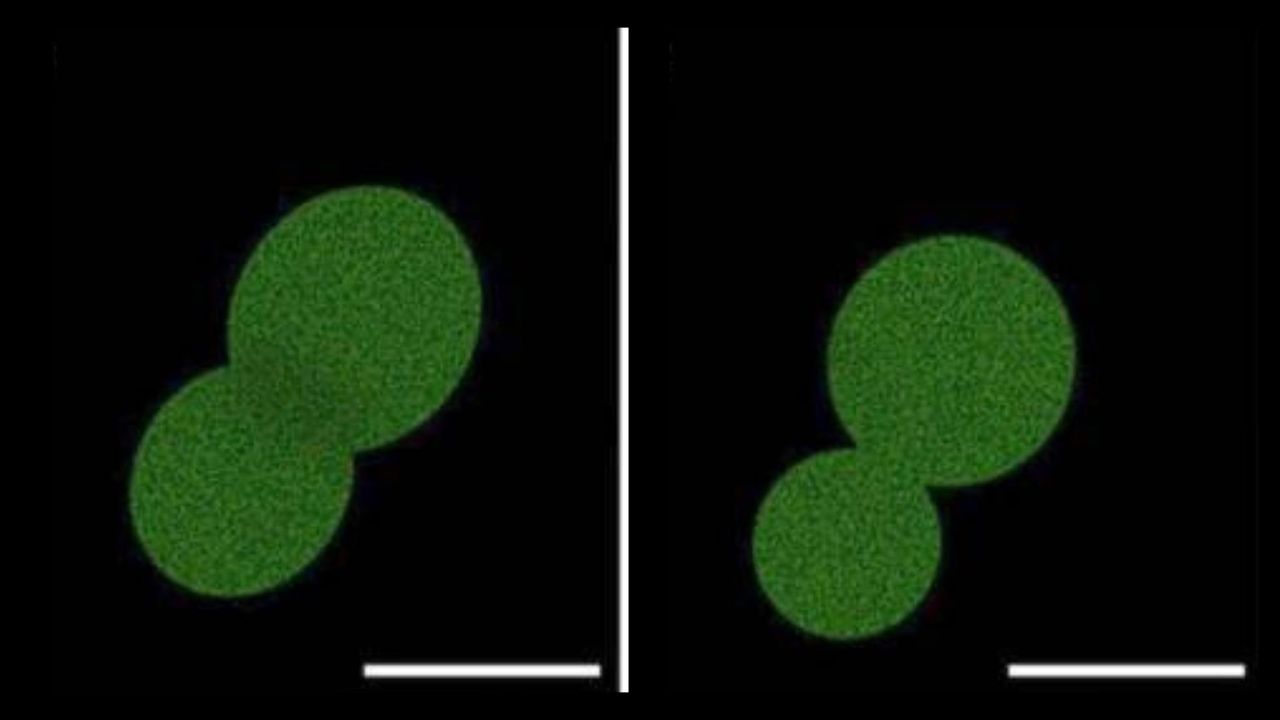
Researchers have created SpudCell, a laboratory-engineered cell-like system that mimics fundamental biological processes including feeding, growth, and division. The platform represents a significant step toward synthetic biology, though scientists acknowledge it remains an incomplete recreation of natural cells.
SpudCell operates as a minimal system capable of sustaining metabolic activity and reproducing itself in controlled conditions. Unlike previous synthetic cell models, this platform demonstrates multiple life-like behaviors simultaneously rather than isolated functions. The system incorporates key cellular machinery necessary for nutrient uptake and self-replication, moving beyond static laboratory constructs toward dynamic, self-maintaining structures.
The research builds on decades of synthetic biology work aimed at understanding life's essential components. By stripping away cellular complexity and rebuilding only necessary functions, scientists can identify which molecular interactions truly define living systems. SpudCell serves as a testbed for this fundamental question.
Potential applications span multiple fields. In medicine, synthetic cells could deliver drugs directly to diseased tissues or replace damaged cellular functions. Environmental remediation might employ engineered cells designed to break down pollutants. Agricultural biotechnology could incorporate synthetic cellular components into crop systems.
However, significant gaps remain between SpudCell and authentic living cells. Natural cells possess sophisticated regulatory networks, complex protein synthesis machinery, and intricate quality control mechanisms that SpudCell either lacks or implements crudely. The synthetic platform cannot yet match the efficiency, robustness, or adaptive capacity of evolved biology. Cells must respond dynamically to environmental changes, repair damage, and coordinate with neighboring cells—capabilities still beyond current synthetic systems.
The work highlights both progress and limitations in synthetic biology. Creating life-like behavior in the laboratory requires engineering numerous interconnected processes simultaneously. Each addition to SpudCell's functionality increases complexity exponentially, raising engineering challenges researchers continue addressing.
This research appears to build on broader efforts in artificial cell construction, though specific institutional affiliations and peer