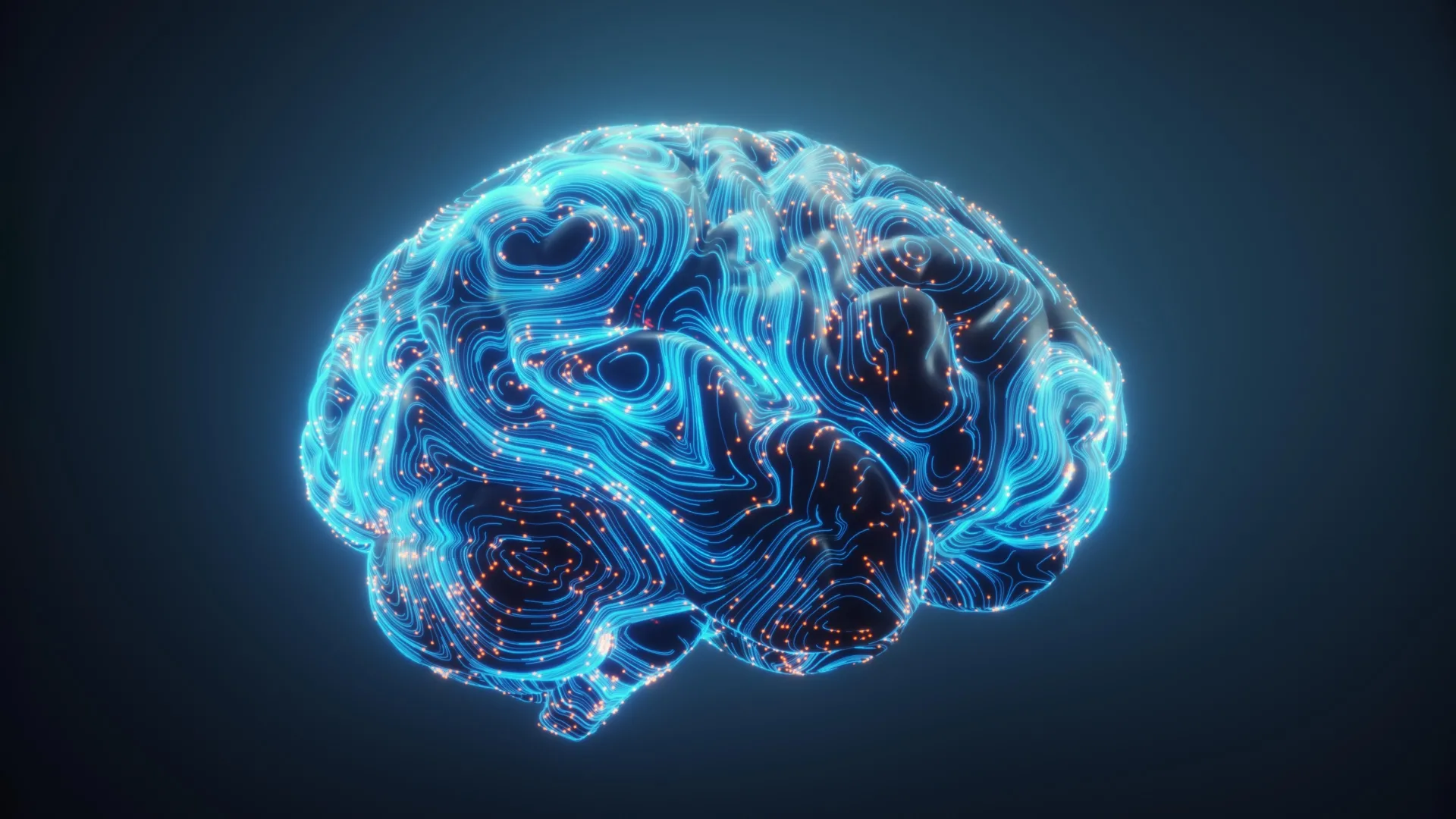
Neuroscientists have discovered that intensive practice literally rewires brain circuitry, enabling true multitasking rather than rapid task-switching. The finding overturns decades of cognitive science consensus that humans cannot genuinely perform two tasks simultaneously.
When people train extensively on a skill, the neural pathways controlling that task migrate away from the prefrontal cortex, the brain's executive control center, and consolidate into specialized circuits elsewhere in the brain. This reorganization frees up the prefrontal cortex to handle other cognitive demands, allowing trained individuals to execute two tasks in parallel rather than alternating between them at high speed.
The research demonstrates that learned motor and cognitive skills become "automatic" in a neurological sense, not merely a subjective feeling. Once a task achieves this status through repetition, it no longer requires conscious oversight from the brain's primary thinking hub. A experienced driver can navigate familiar roads while holding a conversation because the prefrontal cortex delegated route navigation to other regions after years of practice.
This distinction matters for understanding human capability. While beginners truly cannot multitask because both activities demand prefrontal cortex resources, experts can simultaneously pursue multiple activities if one has been sufficiently automatized. The prefrontal cortex then serves as referee between the automatic task and the conscious one requiring active attention.
The study challenges the popular notion that human brains fundamentally lack multitasking capacity. That idea rested partly on observations of untrained subjects. The research suggests individual differences in multitasking ability may reflect different levels of automation rather than fixed neurological constraints.
Understanding this mechanism has implications for training programs, education, and workplace performance. It suggests that achieving true multitasking competency requires sustained, deliberate practice rather than innate talent. The threshold varies by task complexity and individual learning speed, but the pathway remains consistent: practice drives neural reorganization, which enables simult