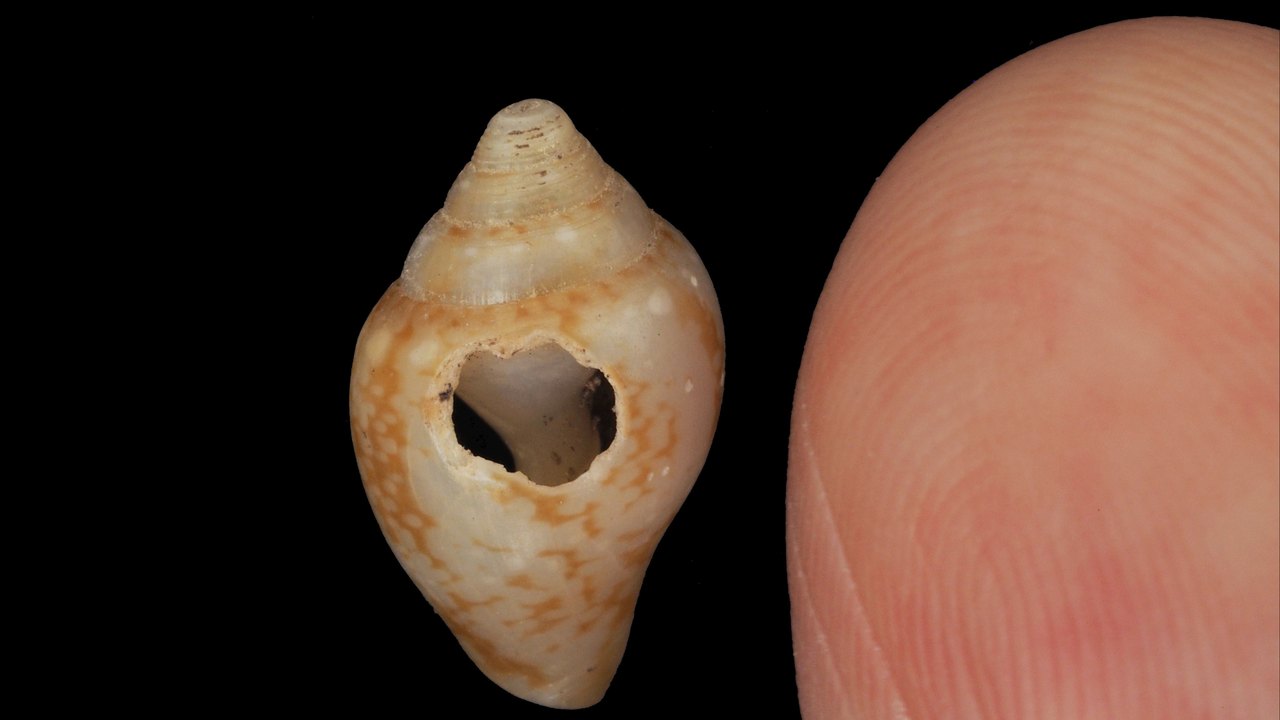
Archaeological evidence from a Turkish site reveals that Neanderthals and modern humans employed identical hunting strategies and symbolic practices separated by thousands of years, suggesting cultural transmission between the species.
Researchers excavating at Yarımburgaz Cave in northwestern Turkey uncovered fossils, stone tools, and seashells indicating both Neanderthals and Homo sapiens occupied the location at different periods. The key finding centers on behavioral parallels rather than simultaneous habitation. Neanderthals inhabited the site approximately 59,000 years ago, while modern humans arrived later. Despite this temporal gap, both groups demonstrated matching hunting techniques and engaged in identical symbolic behaviors involving seashells.
The discovery challenges the traditional view that Neanderthals and modern humans remained culturally isolated. Stone tool assemblages from both occupations showed remarkable similarities in construction and hunting application. More tellingly, both groups collected and processed seashells in comparable ways, suggesting shared symbolic or ritual significance.
The researchers propose that cultural information may have transferred between populations through indirect contact or intermediate groups rather than direct interaction at the site. Modern humans expanding from Africa encountered Neanderthal populations across Eurasia and likely exchanged knowledge during encounters, even if violent conflict or spatial separation prevented sustained cohabitation.
This interpretation gains support from genetic evidence showing Neanderthal DNA persists in non-African modern human populations, confirming interbreeding occurred. The Yarımburgaz findings extend this understanding to behavioral and cultural domains.
The research carries important limitations. Assigning precise dates to the respective occupations requires confirming chronologies through multiple dating methods. Cultural similarities could reflect independent invention by both species responding to similar environmental pressures rather than deliberate knowledge transfer. The symbolic interpretation of seashell processing remains inferential rather than definitive.
The work contributes to accumulating evidence that Neanderthals possessed cognitive sophistication