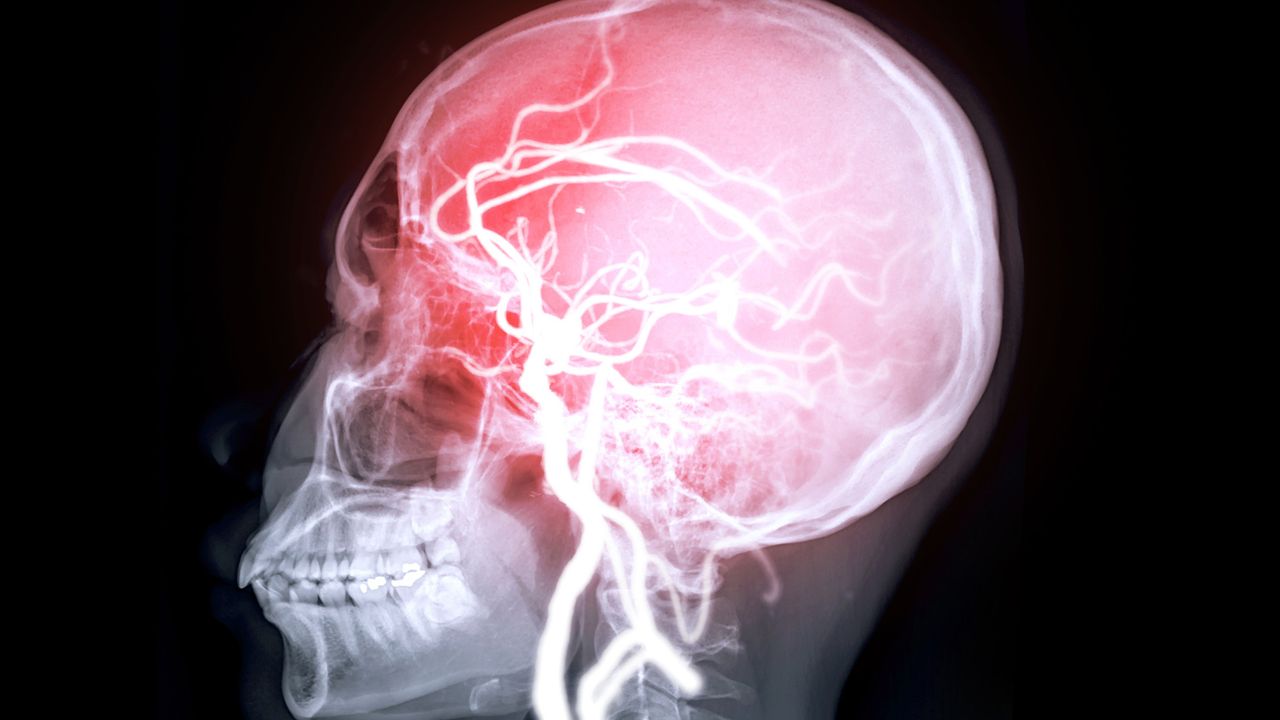
Researchers have identified a potential link between heart dysfunction and brain damage that may accelerate memory loss. A new study reveals that when the heart's pumping capacity declines, the hippocampus and other memory-related brain regions show early signs of microdamage.
The study examined patients with reduced ejection fraction, a measure of how effectively the heart pumps blood. Scientists discovered that these patients displayed structural changes in brain areas critical for memory formation and recall. The damage appears before patients develop noticeable cognitive symptoms, suggesting it represents an early warning sign.
This finding adds to growing evidence that heart health directly influences brain function. When the heart pumps less efficiently, blood flow to the brain decreases, potentially depriving neurons of oxygen and nutrients. The microdamage observed in the study likely results from this reduced cerebral perfusion combined with inflammatory responses triggered by heart dysfunction.
The research has implications for patients with heart failure, a condition affecting roughly 6.2 million American adults. Beyond the well-known cardiovascular risks, doctors may need to monitor cognitive changes more closely in this population. Early detection of brain microdamage could enable interventions to slow memory decline before it becomes clinically apparent.
However, the study has limitations. The findings are correlational rather than causational, meaning researchers cannot yet prove that heart weakness directly causes brain damage. The sample size and patient demographics may not represent all populations. Additionally, the long-term clinical significance of early microdamage remains unclear. Not all patients showing these brain changes will necessarily develop dementia or substantial memory problems.
Future research must establish whether treating heart dysfunction prevents brain damage and cognitive decline. Longitudinal studies tracking patients over years could clarify whether interventions targeting cardiac function protect memory. Researchers should also investigate whether specific heart failure medications influence the degree of brain microdamage.
The findings underscore the interconnected nature of organ systems.