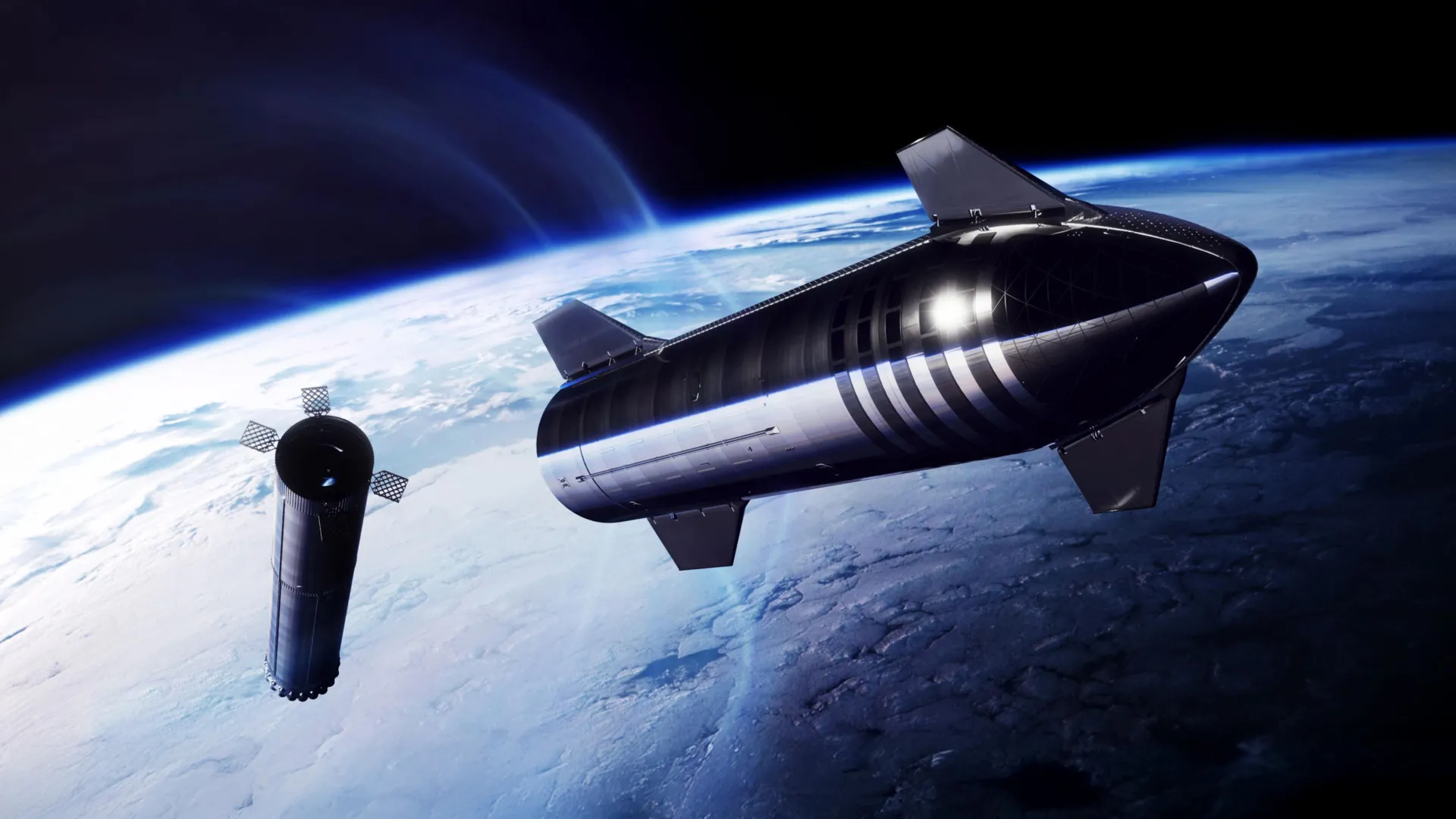
European space agencies have unveiled an ambitious heavy-lift rocket concept designed to challenge SpaceX's Starship dominance in affordable space launch. The new proposal emerged alongside a comprehensive independent analysis of Starship's capabilities and limitations.
The study, published recently, confirms that Starship lives up to its revolutionary billing. Researchers documented the vehicle's impressive payload capacity and reusability potential while identifying critical technical challenges that remain unsolved. The analysis highlights Starship's path toward frequent, economical launches but notes that achieving full operational capability still requires solving problems in heat shielding, rapid reusability, and landing precision.
Europe's competing concept takes a fundamentally different engineering approach. Rather than pursuing Starship's fully reusable, single-core architecture, the European design incorporates modular components and advanced manufacturing techniques tailored to existing European infrastructure and expertise. The proposal aims to deliver comparable launch costs while leveraging Europe's strengths in precision engineering and production systems.
The timing reflects growing pressure in the global launch market. SpaceX has demonstrated rapid iteration and cost reduction through Starship development, forcing competitors to accelerate their own heavy-lift programs. Europe's traditional reliance on Ariane and Vega rockets now faces obsolescence without next-generation capability.
Experts emphasize that both approaches remain largely theoretical. Starship has completed several test flights but has not yet demonstrated the sustained operational cadence required for cost targets. Europe's concept exists primarily in engineering studies and preliminary designs. Actual development timelines, funding requirements, and performance validation remain uncertain for both programs.
The independent study provides valuable benchmarking data for the space industry. By rigorously analyzing Starship's demonstrated capabilities against its projected performance, researchers offer potential competitors concrete technical targets rather than aspirational claims. This analysis may help guide European decision-makers on whether pursuing a parallel super-heavy-lift system makes strategic and economic