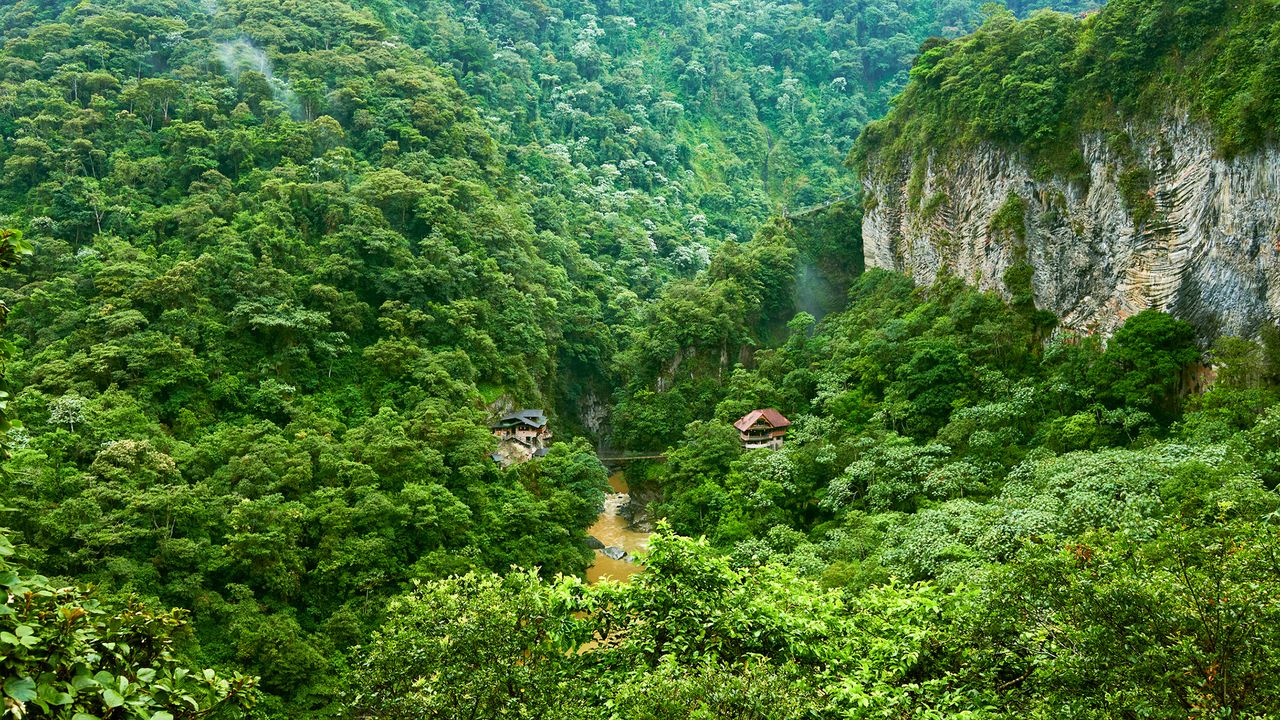
Tropical rainforests, long considered Earth's lungs for absorbing carbon dioxide, flip into carbon emitters during El Niño events, new research reveals. Scientists warn that 2026 could bring the most severe reversal yet.
During typical years, tropical forests absorb more carbon than they release, acting as crucial carbon sinks. El Niño disrupts this balance by warming ocean temperatures and altering rainfall patterns across the tropics. The resulting drought stress forces forests to shed leaves and experience increased tree mortality while simultaneously releasing stored carbon through decomposition and respiration.
Researchers analyzed satellite data and forest measurements spanning multiple El Niño cycles to quantify this shift. The mechanism works through two pathways. First, reduced rainfall dries out soil, forcing trees to close their stomata (leaf pores) and cease photosynthesis. Second, heat stress accelerates decomposition of organic matter on the forest floor, converting carbon reserves into atmospheric CO2.
The 2023-2024 El Niño demonstrated this pattern clearly, with tropical forests releasing carbon rather than sequestering it. Climate models suggest that the developing El Niño conditions expected in 2026 could intensify this effect due to increasing baseline global temperatures. Warmer baseline conditions mean even moderate El Niño-driven rainfall reductions push forests past critical stress thresholds.
This finding carries substantial implications for climate projections. Many carbon accounting models treat tropical forests as consistent sinks. The research shows this assumption fails during El Niño years, potentially obscuring how atmospheric CO2 accumulates during these predictable climate events. A year-long carbon source from tropical forests could offset years of carbon sequestration gains.
The research underscores the interconnection between ocean temperatures, precipitation patterns, and forest carbon dynamics. As El Niño events potentially become more frequent or intense under climate change, tropical forests may spend