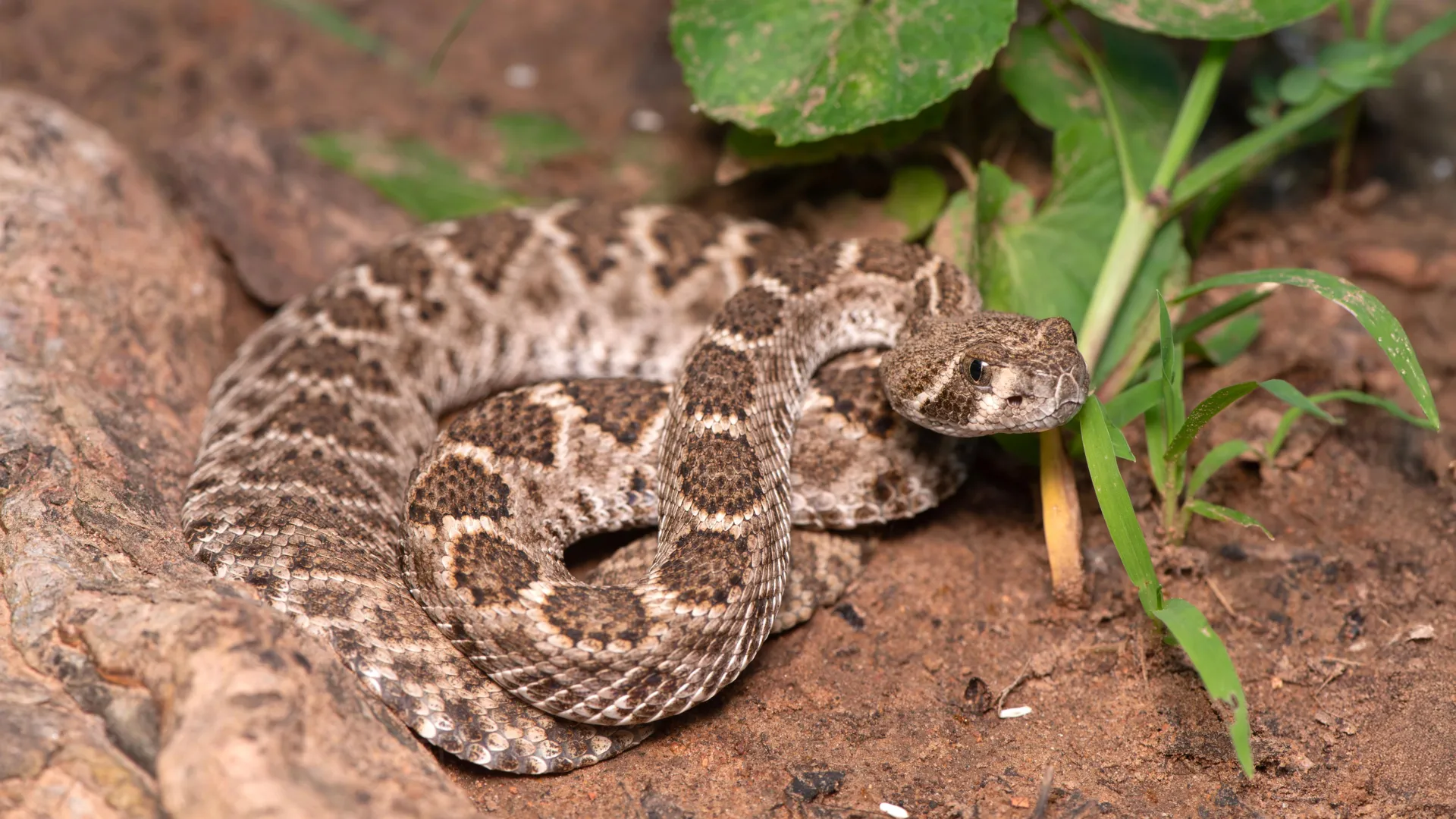
A long-standing myth that baby rattlesnakes deliver more dangerous bites than adults has been overturned by new research. Scientists found that young rattlesnakes possess the same venom control abilities as adults, while adult snakes consistently inject larger venom quantities and inflict more severe envenomation events.
The study traced how this misconception persisted across decades through inaccurate news reporting and misattributed quotes from authority figures. The researchers identified cascading errors in media coverage that perpetuated the false claim without scientific backing.
Baby rattlesnakes do not lack venom regulation capacity. Instead, they modulate their venom delivery with precision comparable to adults. When bites occur, young snakes often inject smaller quantities simply because they produce less venom overall, not because they cannot control it. Adult snakes, by contrast, inject substantially more venom per bite and cause proportionally worse clinical outcomes.
This distinction matters for medical response and public safety. Emergency rooms treating snakebite victims benefit from accurate information about venom dosage patterns. If healthcare providers believe babies deliver maximally dangerous bites, they might over-treat minor envenomations or misallocate resources.
The researchers examined how trusted sources amplified the myth. Quotes supposedly from herpetologists were either misquoted, taken out of context, or never verified. Once published, subsequent reporters cited these original sources without checking primary evidence, creating a self-reinforcing cycle of misinformation.
Snake venom composition also varies by age and species. Young rattlesnakes may have slightly different venom chemistry than adults, but this does not translate to greater lethality. The venom's potency per unit depends on multiple factors beyond the snake's age.
This research underscores how persistent myths in herpetology can distort public understanding and influence behavior. Fear-based narratives about wildlife