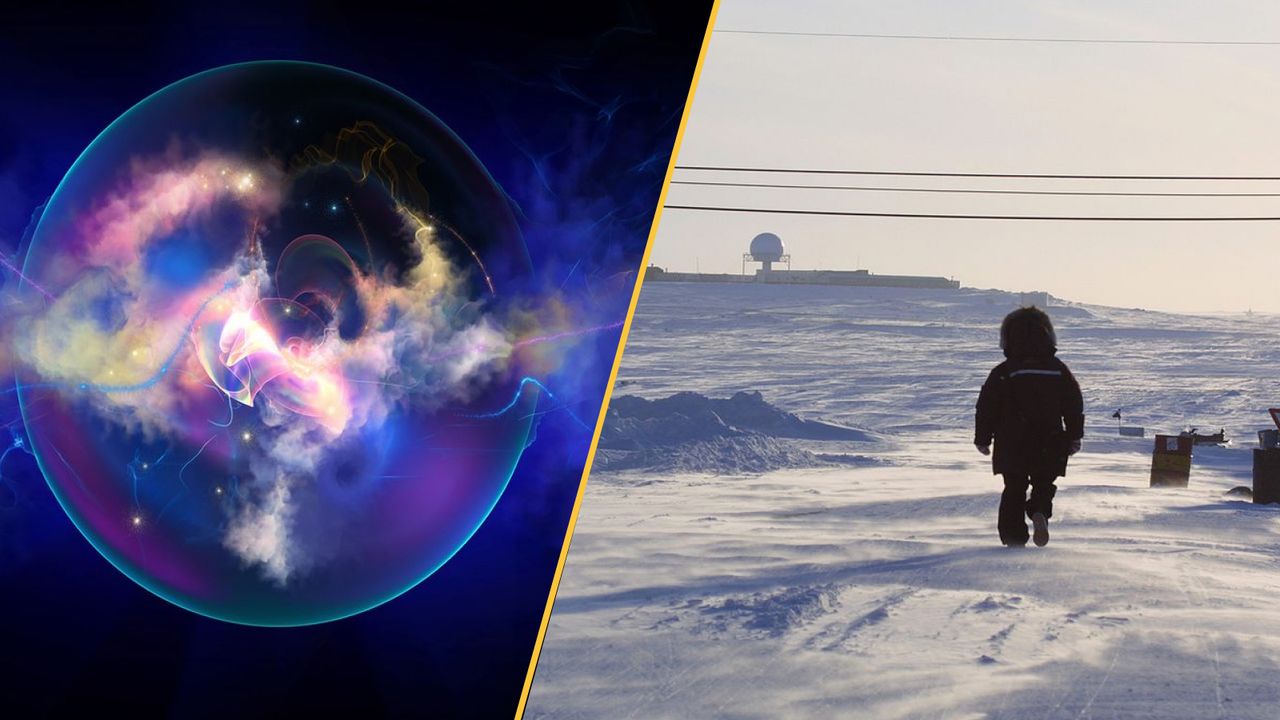
Researchers made progress on three distinct scientific fronts this week. A team working with quantum systems created conditions inside a miniature laboratory universe where time itself appeared to emerge as a property rather than a fundamental given. The work builds on theoretical physics suggesting that time may arise from quantum entanglement at the smallest scales, challenging classical assumptions about the nature of reality.
In Arctic research, scientists announced success in artificially thickening sea ice through experimental intervention. The technique addresses growing concerns about Arctic ice loss due to climate warming. Preliminary results suggest the method could offer tools for protecting critical polar regions, though researchers emphasize this represents laboratory progress rather than a deployable solution.
Archaeologists uncovered one of the oldest documented graves of a free Black person in the United States. The discovery provides rare physical evidence of Black freedom and burial practices in early America, filling a significant gap in archaeological and historical records. The grave's age and condition offer insights into social structures and community organization during a period when free Black people faced severe legal restrictions in most states.
These findings span quantum physics, climate science, and archaeology, each advancing understanding in their respective fields. The quantum work explores fundamental questions about reality's nature. The Arctic ice research responds to documented environmental changes and seeks practical intervention strategies. The archaeological discovery strengthens historical documentation of Black American experiences that remain underrepresented in the archaeological record.
Together, this week's developments highlight how scientific inquiry addresses questions ranging from the universe's basic properties to present-day environmental challenges to uncovering hidden histories.