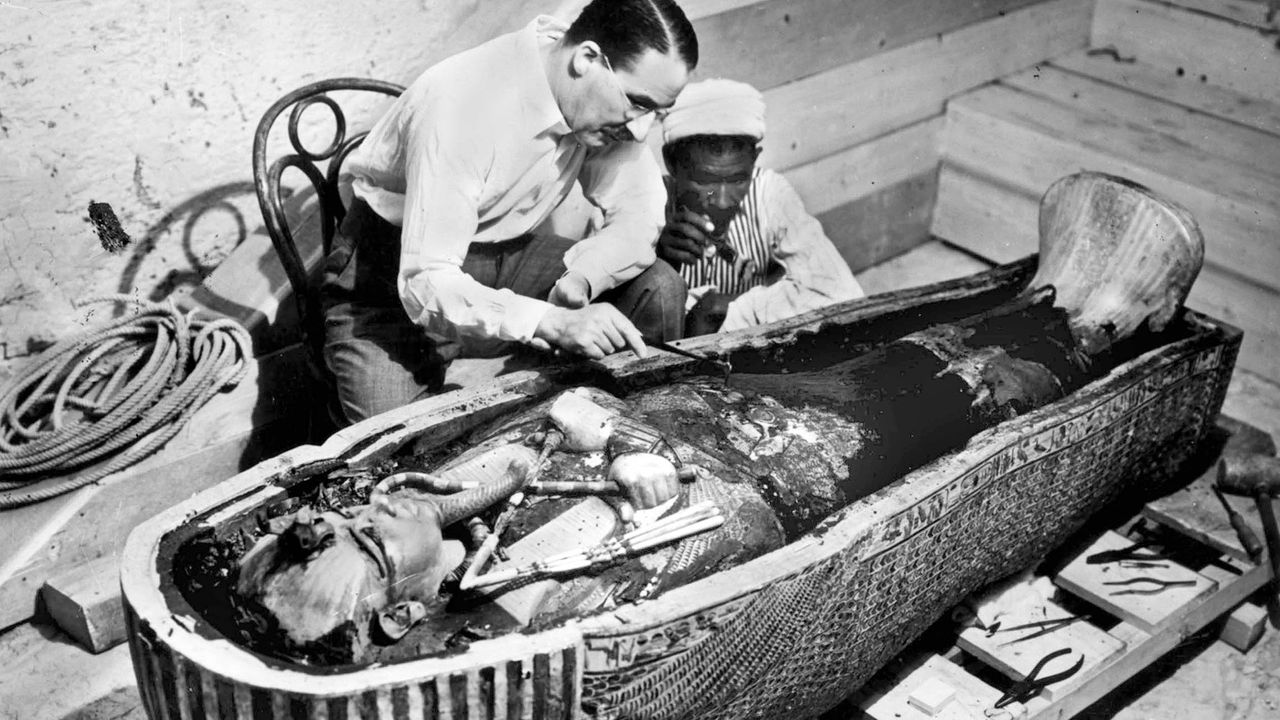
# Experimental Archaeologists Mummify Modern Person Using Ancient Egyptian Techniques
Experimental archaeologists have successfully mummified a modern human body using authentic ancient Egyptian methods, according to science writer Sam Kean's new book "Dinner with King Tut: How Rogue Archaeologists Are Re-creating the Sights, Sounds, Smells, and Tastes of Lost Civilizations." The project represents a distinctive approach to understanding how ancient peoples preserved their dead.
The mummification process followed documented historical practices, with observers noting that the treated body bore a striking resemblance to historical pharaohs. One witness reportedly commented that the result "looked like Ramses the Great," suggesting the techniques produced authentic preservation outcomes comparable to those achieved thousands of years ago.
This experimental archaeology approach differs from traditional methods by applying ancient procedures to modern subjects, allowing researchers to observe the actual mechanics and timelines of preservation in real time. Rather than relying solely on textual records or examining existing mummies, these archaeologists work through the physical processes that ancient Egyptians employed for their burial practices.
Kean's book explores the broader world of experimental archaeology, documenting how researchers recreate historical techniques to understand vanished civilizations. The field extends beyond mummification to investigating ancient cooking, craftsmanship, construction methods, and sensory experiences of past cultures.
This hands-on methodology provides tangible data about preservation chemistry, the durability of materials, and the actual duration required for various stages of mummification. Such work complements traditional archaeological analysis by filling gaps that textual sources or aged artifacts alone cannot address.
The mummification experiment reflects growing interest in experiencing archaeology beyond excavation and artifact analysis. By physically recreating ancient processes, researchers gain insights into the knowledge and precision ancient practitioners possessed, while also validating or challenging historical assumptions based on archaeological evidence. The vivid description