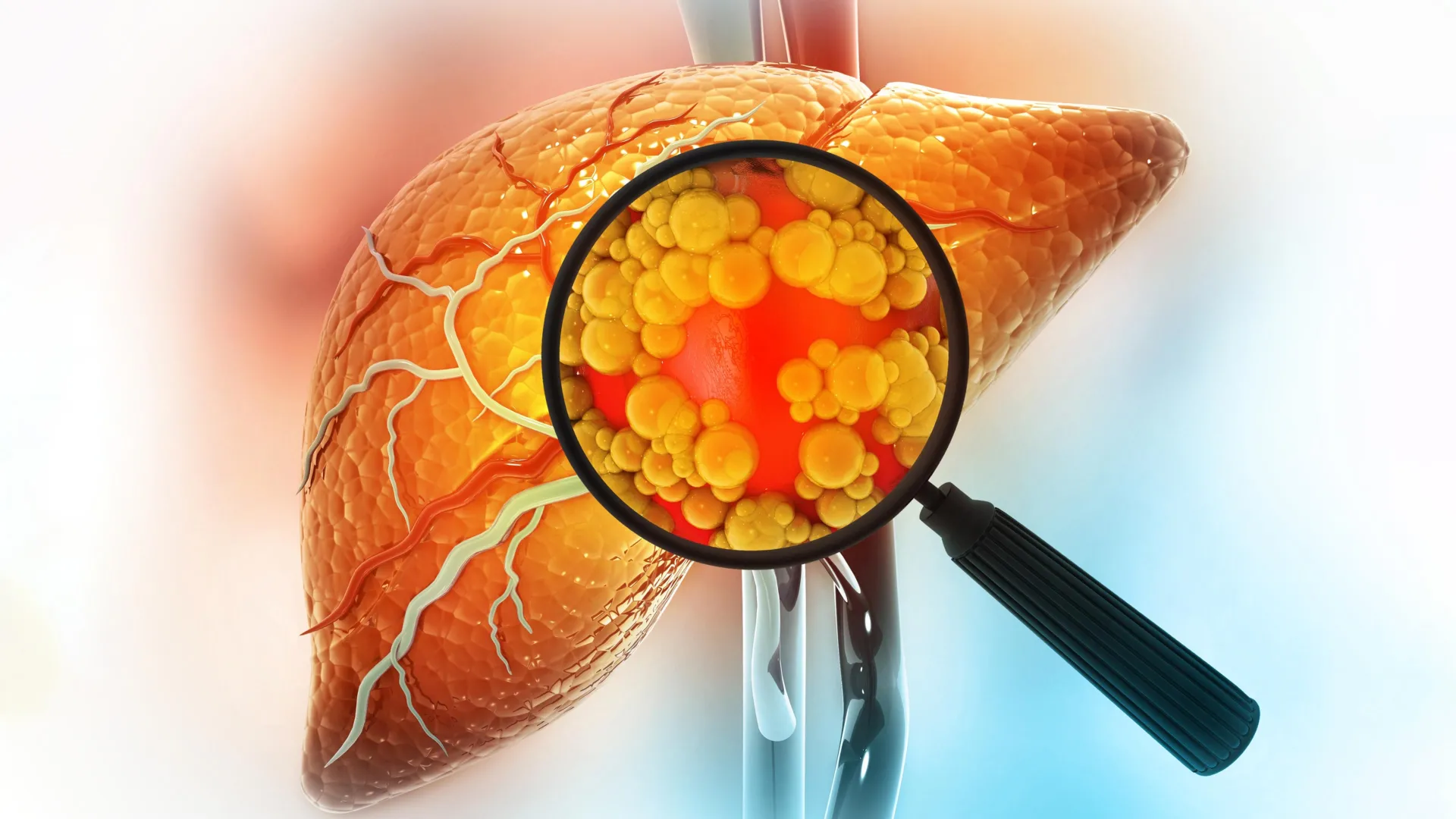
Researchers have demonstrated that an experimental drug called DT-109 reverses advanced fatty liver disease by restoring the gut barrier and blocking toxic compounds from reaching the liver. The findings emerge from animal studies and point toward a novel therapeutic strategy for metabolic dysfunction-associated fatty liver disease, or MASH.
The research targets a fundamental mechanism linking gut health to liver function. A compromised intestinal barrier allows bacterial endotoxins and other harmful molecules to enter the bloodstream and accumulate in the liver, triggering inflammation and fat buildup. DT-109 repairs the integrity of the gut lining, preventing these toxins from crossing into circulation and damaging hepatocytes.
In preclinical models, the drug successfully reversed markers of severe fatty liver disease, reducing both inflammation and hepatic steatosis. This represents a departure from existing treatments that typically address liver dysfunction directly rather than addressing its root cause in the intestinal barrier.
MASH affects millions worldwide and currently lacks disease-modifying therapies. Advanced cases progress to cirrhosis and liver failure. Conventional approaches focus on weight loss, lifestyle modification, or addressing metabolic risk factors like insulin resistance. A gut-centric strategy offers a distinct angle for intervention.
The mechanism DT-109 employs resembles other barrier-repair approaches in development. Tight junction proteins like occludin and claudins maintain intestinal permeability. Restoring their function reduces lipopolysaccharide leakage and subsequent inflammatory signaling in the liver.
However, significant gaps remain before clinical application. Animal models do not always translate to human physiology. The drug must demonstrate safety and efficacy in human trials, clarify optimal dosing strategies, and prove durability of effects. Long-term tolerability data will be essential given that MASH treatment would likely require sustained administration.
The research team has not yet published detailed mechanistic studies in