A woman presenting with abdominal discomfort underwent imaging that revealed a large gastric mass, which physicians determined resulted from a GLP-1 receptor agonist medication similar to Ozempic. The condition, called a bezoar, formed from accumulated food material in her stomach.
GLP-1 drugs like semaglutide and tirzepatide work by slowing gastric emptying and suppressing appetite, properties that help with weight loss and diabetes management. However, this mechanism can trap food in the stomach, particularly when patients consume fibrous or difficult-to-digest materials. Bezoars form when these food particles accumulate and solidify into obstructive masses.
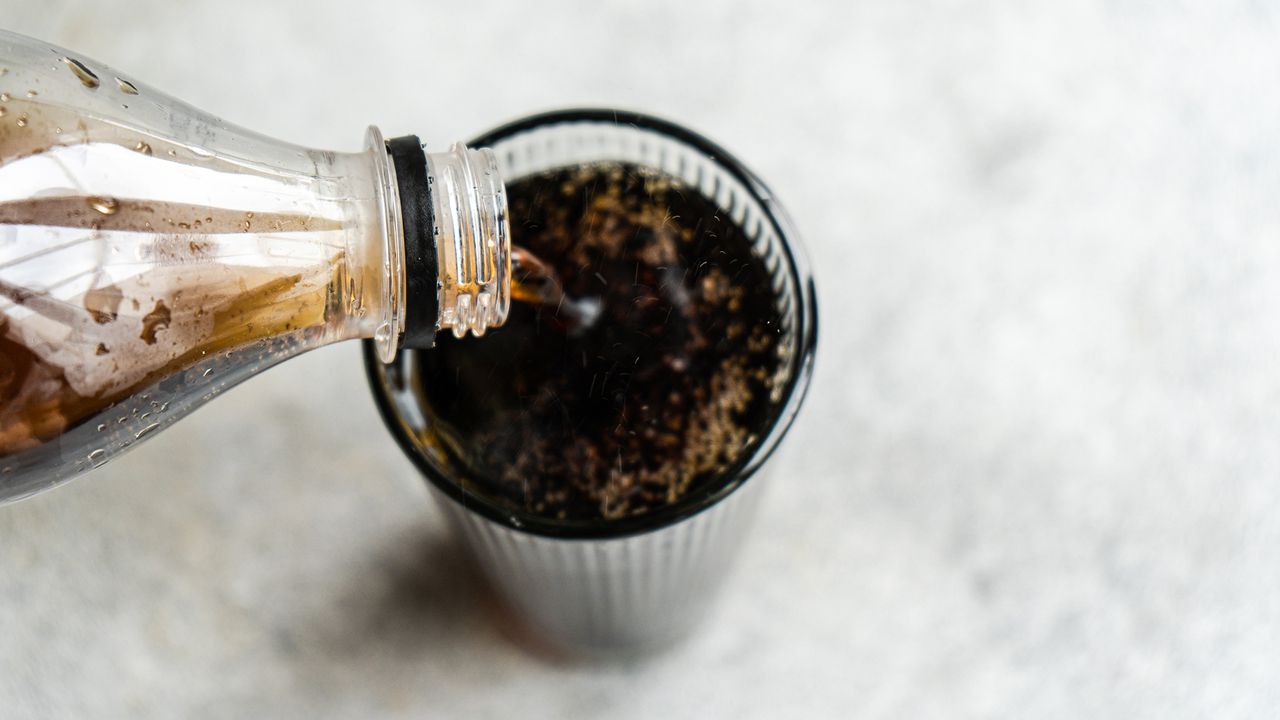
The patient's treatment followed a counterintuitive approach. Rather than surgical intervention, physicians administered diet soda, which contains carbonation and acidic components that can help break down and dissolve bezoar material. This conservative approach proved effective, and the mass dissolved without requiring invasive procedures.
This case highlights an emerging clinical concern as GLP-1 medications gain widespread use for weight management and diabetes treatment. While these drugs offer metabolic benefits, their effects on gastric motility create conditions favorable for bezoar formation. Patients taking these medications face increased risk, particularly if they consume high-fiber foods, nuts, seeds, or other materials prone to compaction.
Healthcare providers now recognize the need for patient education regarding dietary modifications while on GLP-1 therapy. Recommendations include thorough chewing, adequate hydration, and avoiding foods that traditionally cause bezoars. Physicians should also maintain heightened awareness of bezoar risk when evaluating abdominal symptoms in GLP-1 users.
The case demonstrates both the therapeutic potential of unconventional treatments and the importance of understanding drug mechanisms before widespread adoption. As GLP-1 medications continue expanding into weight-loss markets beyond diabetes treatment