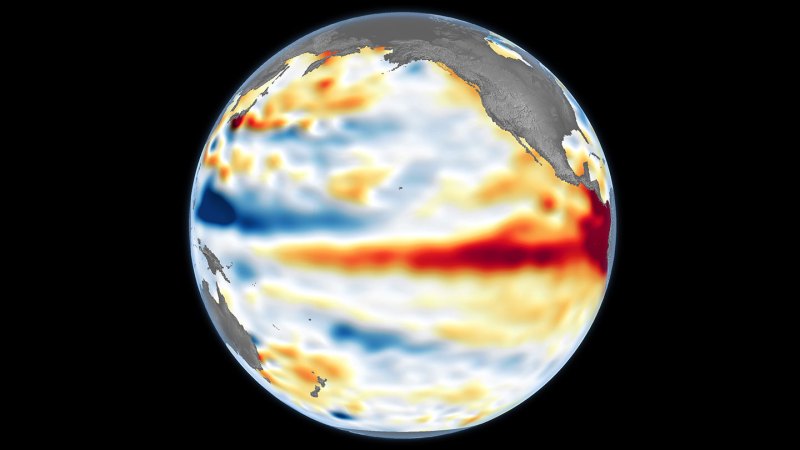
Researchers have found that marine cloud brightening, a geoengineering technique that reflects sunlight away from Earth's surface, could dampen the intensity of El Niño events in the Pacific Ocean. Computer simulations conducted by scientists examining this climate intervention strategy suggest the method might reduce extreme warming patterns associated with these natural climate cycles.
The technique works by spraying seawater particles into clouds over specific ocean regions to increase their reflectivity. By bouncing more sunlight back to space, this process cools the underlying water. Simulations indicate that deploying marine cloud brightening in parts of the Pacific could suppress some of El Niño's most disruptive effects, potentially reducing atmospheric warming during peak event years.
However, the research reveals substantial uncertainties and trade-offs. Deliberately altering cloud properties in one region risks unintended consequences elsewhere. Modifying precipitation patterns or ocean circulation could affect weather systems far from the treatment area. The simulations also show variable results depending on when and where researchers apply the intervention, and how intensely they implement it.
Scientists emphasize that marine cloud brightening remains experimental and unproven at scale. Laboratory and small-scale field tests have demonstrated the basic science, but deploying the technique across thousands of square kilometers of ocean introduces ecological and atmospheric complexities that computer models cannot fully capture. The approach also raises governance questions about who decides whether and where to alter ocean clouds, given the potential global ramifications.
El Niño events, which occur irregularly every few years, redistribute heat across the Pacific and influence weather patterns worldwide, triggering droughts, floods, and crop failures across multiple continents. As climate change intensifies these cycles, interest in geoengineering interventions has grown among researchers seeking ways to reduce their impact.
The simulations provide initial evidence that marine cloud brightening could help, but researchers stress that this technique cannot replace emissions reductions.