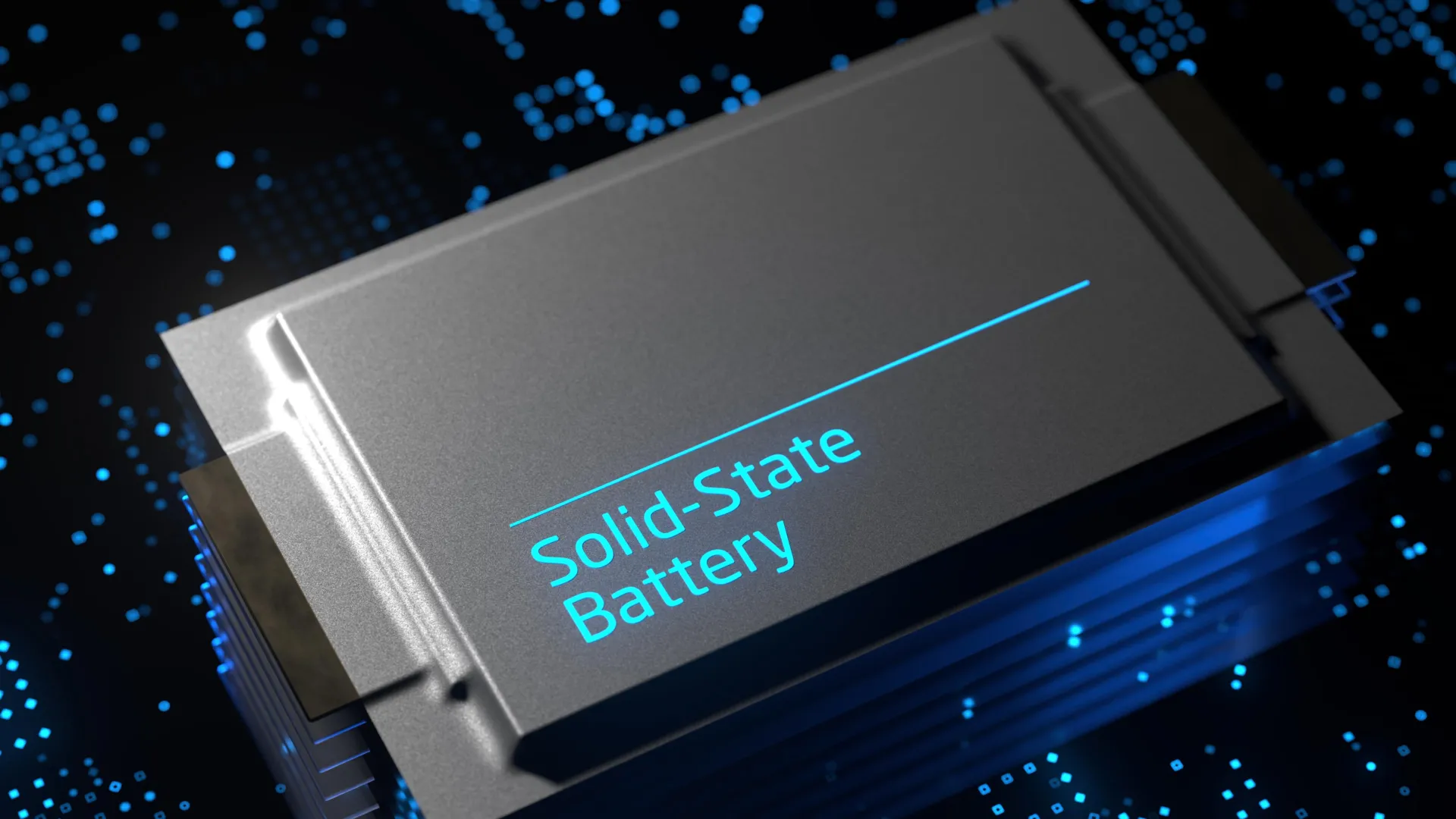
Researchers have identified the mechanism behind a critical failure mode in solid-state batteries, opening a path toward more reliable energy storage for consumer electronics and electric vehicles.
Solid-state batteries replace the liquid electrolyte in traditional lithium-ion batteries with a solid ceramic material, promising higher energy density and improved safety. However, they suffer from a persistent problem. Soft lithium metal grows needle-like structures called dendrites during charging. These dendrites pierce through the hard ceramic electrolyte, causing short circuits that degrade performance or cause failure.
The research team discovered how this penetration occurs. Rather than simply pushing through the ceramic like a physical puncture, the soft lithium dendrites create stress concentrations in the hard material. This stress triggers microscopic cracks that propagate through the ceramic, allowing the dendrites to advance further. The process resembles how a small defect in glass can suddenly shatter under pressure.
Understanding this crack-propagation mechanism gives engineers concrete targets for improvement. They can now design ceramic electrolytes with greater fracture resistance or develop coatings and additives that prevent stress from concentrating around dendrites. Researchers may also optimize charging protocols to minimize dendrite formation in the first place.
The implications extend across portable electronics. Solid-state batteries offer energy densities potentially 50 percent higher than current lithium-ion cells, enabling longer-lasting smartphones and lighter electric vehicles with extended range. Several companies, including Toyota and Samsung, have announced plans to commercialize solid-state batteries in the coming years.
The work highlights a recurring challenge in battery development. Each advance in chemistry or architecture introduces new failure modes that researchers must methodically understand before commercialization becomes viable. This study accelerates that timeline by providing the fundamental knowledge needed to engineer around the dendrite-cracking problem.
The breakthrough does not solve all solid-state battery challenges. Manufacturing at scale, cost reduction, and