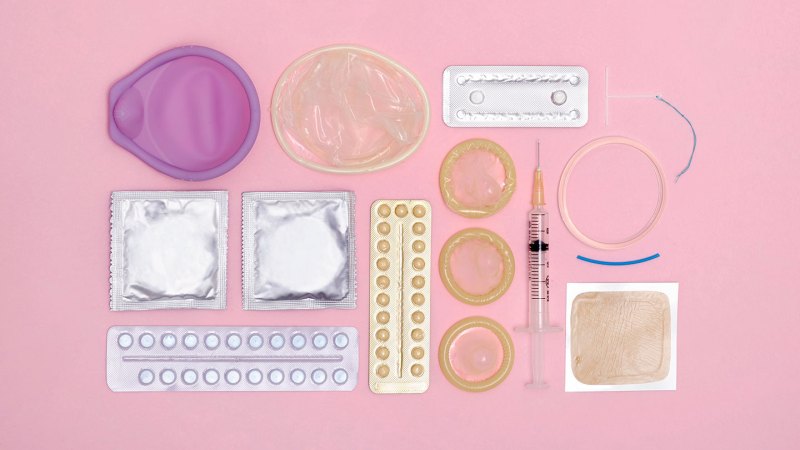
Removing barriers to contraceptive access dramatically improves birth control effectiveness across all method types, according to findings from the HER Salt Lake Contraceptive Initiative.
The program centered user experience by simplifying refills and providing ongoing support to people using various contraceptive methods. Researchers found that when logistical obstacles disappeared, effectiveness rates climbed substantially for pills, patches, rings, and other reversible methods. The results challenge the common assumption that some birth control methods inherently fail more often than others.
Traditional effectiveness data shows wide gaps between different contraceptive types when used in real-world conditions. The pill, for instance, has much lower actual effectiveness than theoretical effectiveness because people forget doses or refills. Long-acting reversible methods like intrauterine devices perform better because they require less user maintenance. But the HER Salt Lake study demonstrates that user behavior, not the method itself, drives many failures.
By making refills automatic or extremely simple, sending reminders, and ensuring consistent access, the initiative essentially removed friction from the contraceptive process. Participants using all method types achieved higher pregnancy prevention rates than historical averages for those same methods.
The findings appear in research from the HER Salt Lake team, which operated in Utah clinics focusing on underserved populations. Their work builds on established evidence showing that comprehensive support services improve contraceptive continuation and effectiveness.
This research carries clear public health implications. Healthcare systems that invest in support infrastructure, rather than simply distributing contraceptives and hoping for compliance, see better outcomes. The approach proves especially valuable for populations facing transportation, cost, or scheduling barriers to healthcare access.
The study's limitations include its focus on a specific geographic region and particular population demographics. Whether similar success translates to other settings requires additional research. Still, the core finding remains straightforward: when people can easily access and refill their chosen contraceptive, they use it correctly and consistently