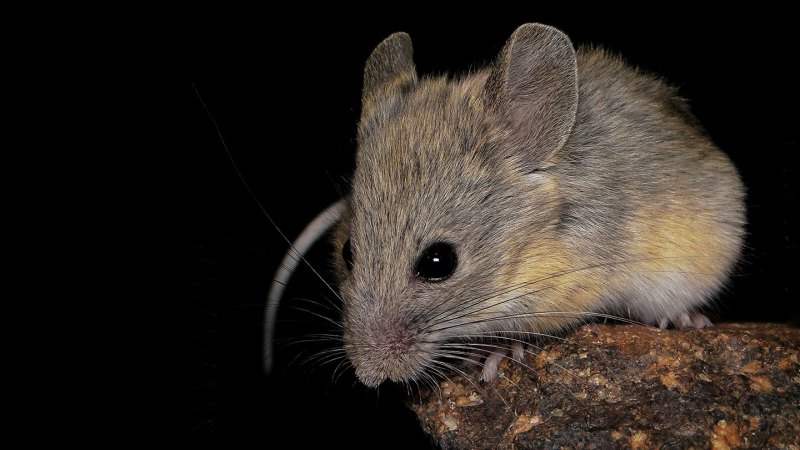
Andean leaf-eared mice possess physiological adaptations that allow them to survive and reproduce at extreme altitudes where most mammals cannot. Researchers studying these rodents discovered that the animals boost heat production and enhance oxygen uptake, enabling them to function at elevations above 4,000 meters where oxygen availability drops significantly.
The mice maintain higher metabolic rates than their lowland relatives, generating extra body heat through increased cellular respiration. This thermogenic capacity helps them stay warm in the frigid mountain environment and sustain activity levels despite thin air. Additionally, the rodents have evolved enhanced oxygen extraction mechanisms, allowing their tissues to absorb more oxygen from each breath.
Scientists examined blood samples and muscle tissue from wild populations to identify the molecular basis of these adaptations. The findings reveal that Andean leaf-eared mice possess genetic variations affecting proteins involved in mitochondrial function and metabolism. These genetic changes permit sustained energy production under hypoxic stress that would incapacitate non-adapted species.
The research has broader implications for understanding how mammals respond to environmental extremes. Climate change is altering temperature and oxygen conditions across mountain ecosystems, potentially shifting suitable habitats for high-altitude species. Understanding how Andean leaf-eared mice maintain function at altitude could illuminate constraints on other animals facing similar pressures.
The work also informs human medicine. Studying how these mice regulate metabolism and oxygen utilization provides insights into conditions like chronic hypoxia and metabolic dysfunction. Researchers hope to identify therapeutic targets based on the natural solutions evolution produced in these mountain-dwelling rodents.
The Andean leaf-eared mouse represents a natural experiment in adaptation, demonstrating that sustained evolution in harsh environments produces elegant physiological solutions. Their success at altitude illustrates how specific genetic modifications, accumulated over generations, enable species to exploit seemingly uninhabitable niches.