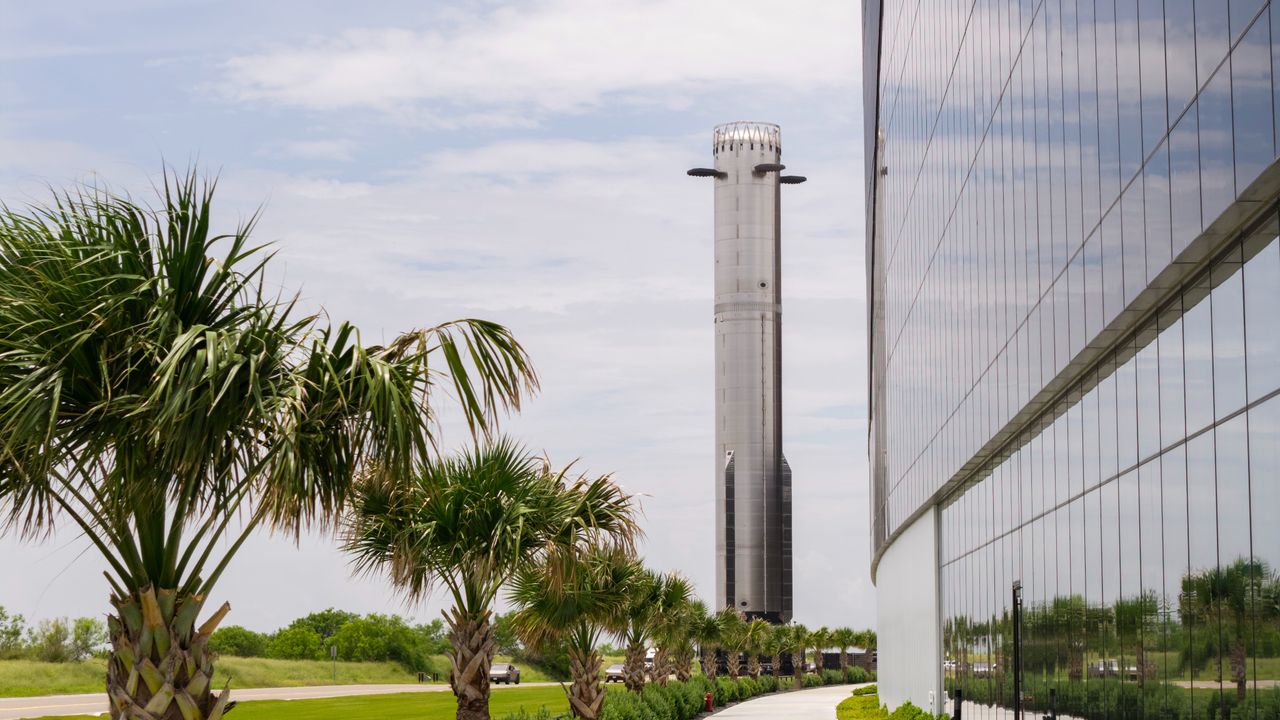
SpaceX successfully conducted a full-scale engine test on the Super Heavy booster that will power Starship's upcoming Flight 13 mission, according to reporting from Space.com. The test ignited all 33 Raptor engines mounted on the booster, a critical validation step before crewed or uncrewed orbital flights.
The booster, designated for the next Starship launch sequence, performed the engine firing at SpaceX's testing facility in Boca Chica, Texas. Full engine ignition tests confirm structural integrity, fuel flow systems, and engine sequencing before flight. SpaceX typically conducts these static fire tests in the days preceding a launch attempt.
Flight 13 represents a continuation of SpaceX's iterative testing program for its fully reusable super-heavy-lift launch system. Previous Starship flights have tested various vehicle systems, including booster catch mechanisms, upper-stage reentry procedures, and in-space propellant transfer capabilities. Each test flight generates data that informs design refinements and operational protocols.
The successful engine test suggests SpaceX maintains momentum in its development timeline. A launch window opening within days would align with the company's stated cadence of increasing flight frequency. SpaceX Chief Engineer Elon Musk has previously indicated that rapid iteration and increased launch rate are central to the company's strategy for achieving full vehicle reusability and eventual deep space missions.
The 33-engine Raptor configuration represents one of the most complex propulsion systems ever assembled. Each engine produces approximately 510,000 pounds of thrust in vacuum. Coordinating ignition sequence, throttle response, and shutdown procedures across all engines simultaneously presents significant engineering challenges.
This test flight marks progress toward SpaceX's long-term objectives, including point-to-point Earth transportation, lunar missions supporting NASA's Artemis program, and eventual Mars