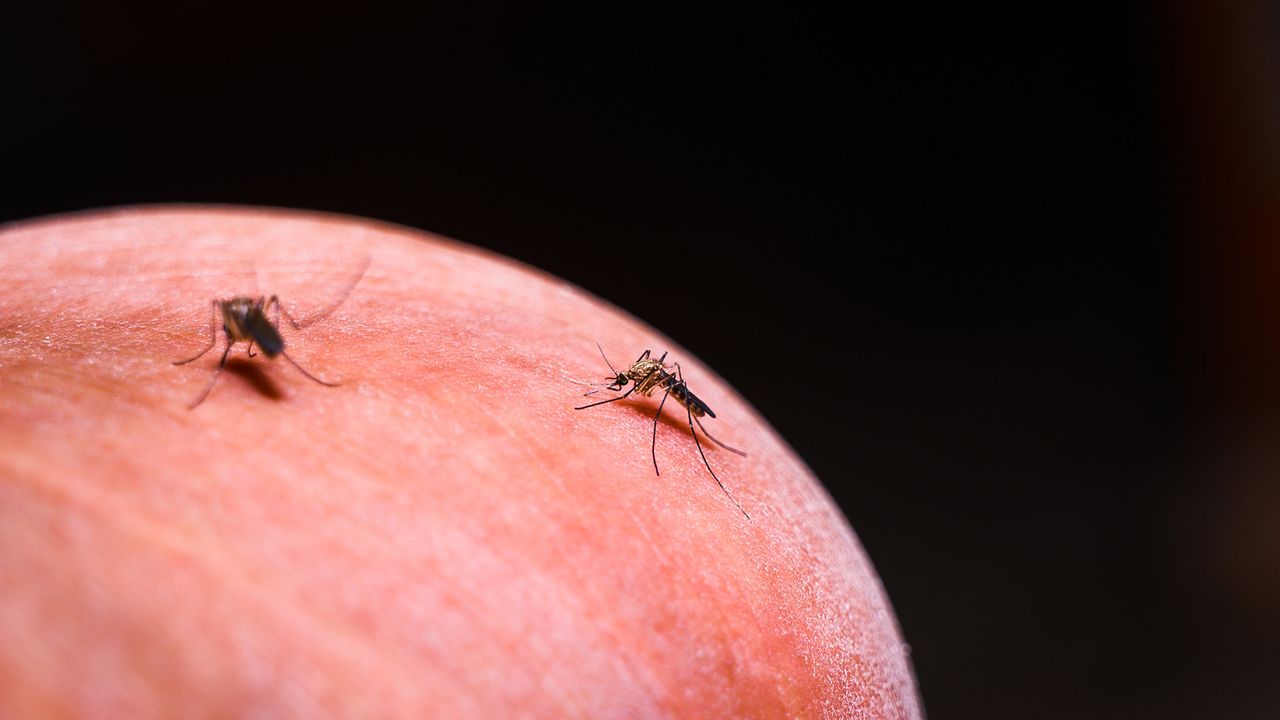
Researchers tracking malaria transmission around a major Amazon dam discovered that the disease resurged after initially declining, revealing how environmental factors interact with public health efforts in ways that current disease-control strategies often overlook.
The 15-year longitudinal study, conducted across multiple research institutions, monitored malaria patterns in communities surrounding the dam. Initial success in reducing cases stalled and reversed, prompting investigators to examine underlying causes beyond typical public health interventions like insecticide spraying and antimalarial medications.
The findings point to environmental degradation as a critical driver of malaria resurgence. Dam construction and the resulting habitat changes created breeding grounds for Anopheles mosquitoes, the vectors that transmit the parasite. When environmental conditions shifted, mosquito populations expanded even as traditional control programs remained in place, allowing malaria transmission to accelerate.
This research underscores a fundamental gap in malaria elimination strategies. Most control programs focus narrowly on direct interventions—treating infected individuals, distributing bed nets, and spraying insecticides. They typically neglect the environmental modifications that affect mosquito breeding, survival, and feeding behavior. The dam study demonstrates that these ecological factors operate independently of public health campaigns and can override their benefits.
The implications extend beyond this single location. Similar patterns likely occur around other dams, mining operations, and development projects throughout the Amazon and other malaria-endemic regions. Environmental disruption from deforestation, water management infrastructure, and land-use changes creates favorable conditions for malaria-transmitting mosquitoes across vast areas.
Experts now argue that comprehensive malaria control requires coordinated environmental protection alongside traditional public health measures. This means managing water systems to minimize mosquito breeding habitat, protecting forests that naturally suppress vector populations, and monitoring how development projects alter disease transmission risks.
The findings suggest that sustaining long-term malaria control in regions like the Amazon demands integration of ecological management