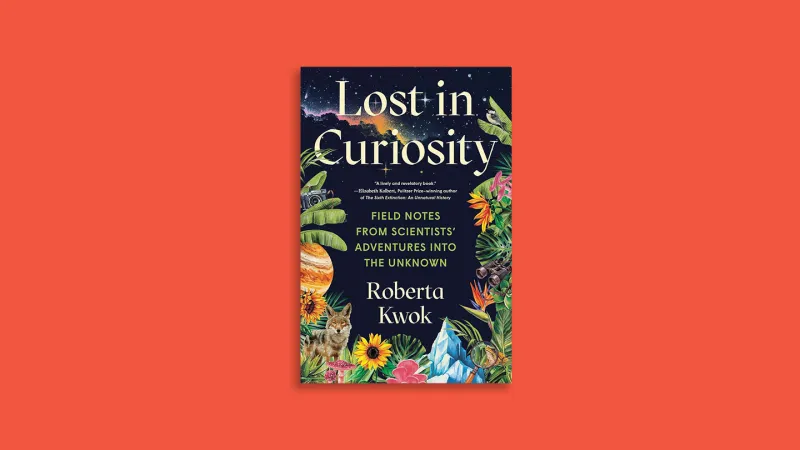
Science journalist Roberta Kwok's new book "Lost in Curiosity" pulls back the curtain on how scientists actually work, revealing a process far messier than textbooks suggest.
Kwok spent time embedded with researchers across multiple disciplines, observing firsthand how experiments fail, hypotheses crumble, and unexpected results force scientists to change direction. Her reporting captures the gap between the polished final papers published in journals and the chaotic reality of laboratories and field sites.
The book highlights how serendipity plays a larger role than most people realize. Failed experiments sometimes lead to discoveries no one anticipated. Dead ends in one research direction often illuminate entirely different questions. Scientists spend considerable time troubleshooting equipment, waiting for results, and dealing with the mundane logistics of research that never appears in published findings.
Kwok also explores how collaboration shapes scientific progress. Researchers bounce ideas off colleagues, challenge each other's assumptions, and build on work that came before. The popular narrative of the lone genius making breakthroughs oversimplifies how knowledge actually advances.
Her book examines the human dimensions of science too. Researchers face pressure to publish, secure funding, and build careers. These pressures can influence which questions get asked and how results get interpreted. Personal relationships, institutional politics, and timing all affect what research gets done and what discoveries reach public attention.
"Lost in Curiosity" does not dismiss the scientific method or suggest findings are unreliable. Rather, Kwok argues that understanding science's messiness makes it stronger. Transparency about how research actually happens builds public trust. Showing the false starts and dead ends reveals how scientists self-correct and validate findings through repetition and scrutiny.
The book serves as a reminder that science is a human endeavor shaped by creativity, persistence, and luck alongside rigorous methodology. Kwok's reporting demonstrates that the most interesting part of science