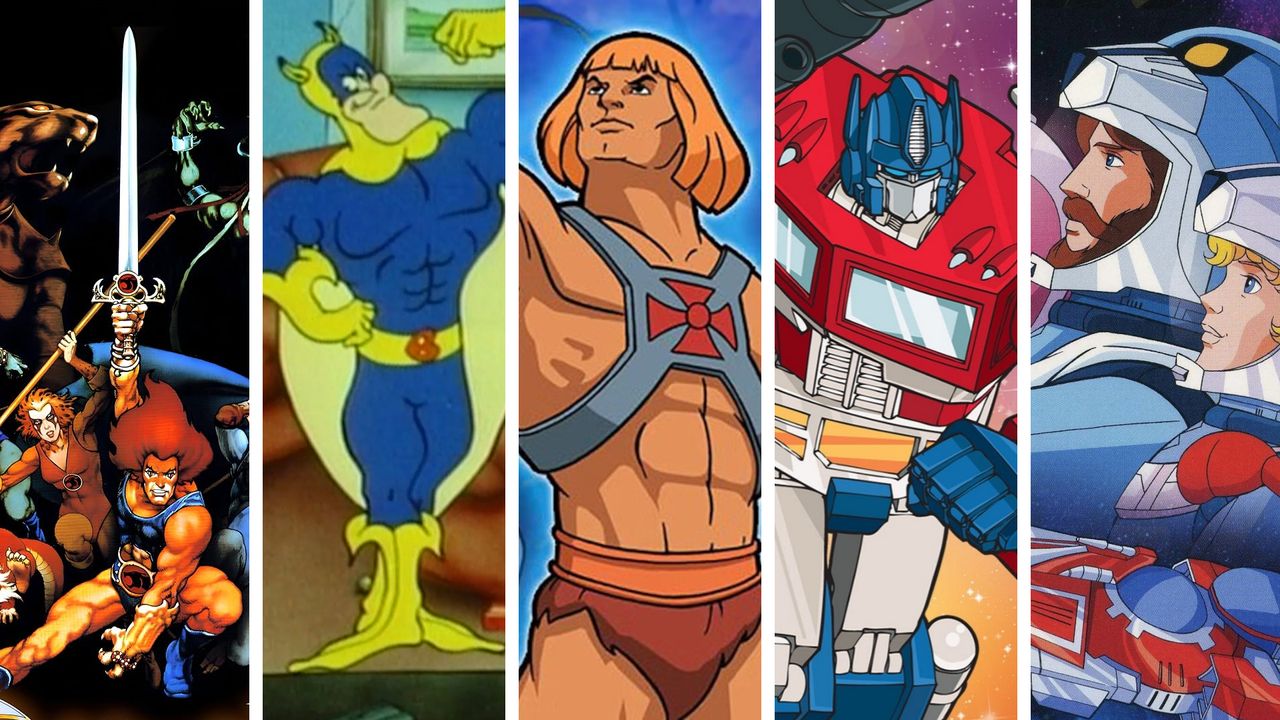
# Saturday Morning Sci-Fi: How 1980s and 1990s Cartoons Built a Generation's Imagination
Saturday morning cartoons transformed childhood for millions of kids in the 1980s and 1990s, blending imaginative science fiction storytelling with what became a lucrative toy industry. Shows like He-Man and the Masters of the Universe created entire universes that extended far beyond the television screen into playroom shelves.
These animated series served as gateways to science fiction for young viewers. Programs ranging from iconic franchises to obscure experimental shows exposed children to concepts like alternate dimensions, advanced technology, and alien civilizations during formative years. The best examples combined compelling narratives with genuinely inventive world-building that challenged viewers despite the medium's commercial constraints.
The connection between animated programming and merchandise became inseparable during this era. Toy manufacturers recognized that cartoons functioned as extended commercials, yet the most successful shows created genuine fan engagement through quality storytelling. Characters and worlds became touchstones for entire generations, influencing how those children later consumed science fiction in film, television, and literature.
Some series achieved cultural permanence through innovative animation and bold creative choices. Others vanished into obscurity despite experimental concepts that would seem fresh by today's standards. Both categories contributed to a golden age of adventure animation that prioritized imagination over budget constraints.
The Saturday morning cartoon block represented a unique convergence of art, commerce, and childhood development. Networks scheduled back-to-back programming that kept younger viewers engaged for hours, while advertisers reached a captive demographic. Within this system, talented animators and writers created content that remains nostalgic precisely because it shaped how that generation understood storytelling itself.
These cartoons ultimately proved more enduring than their toy tie-ins. While action figures gather dust in attics, the narratives and visual styles persist in cultural memory. The