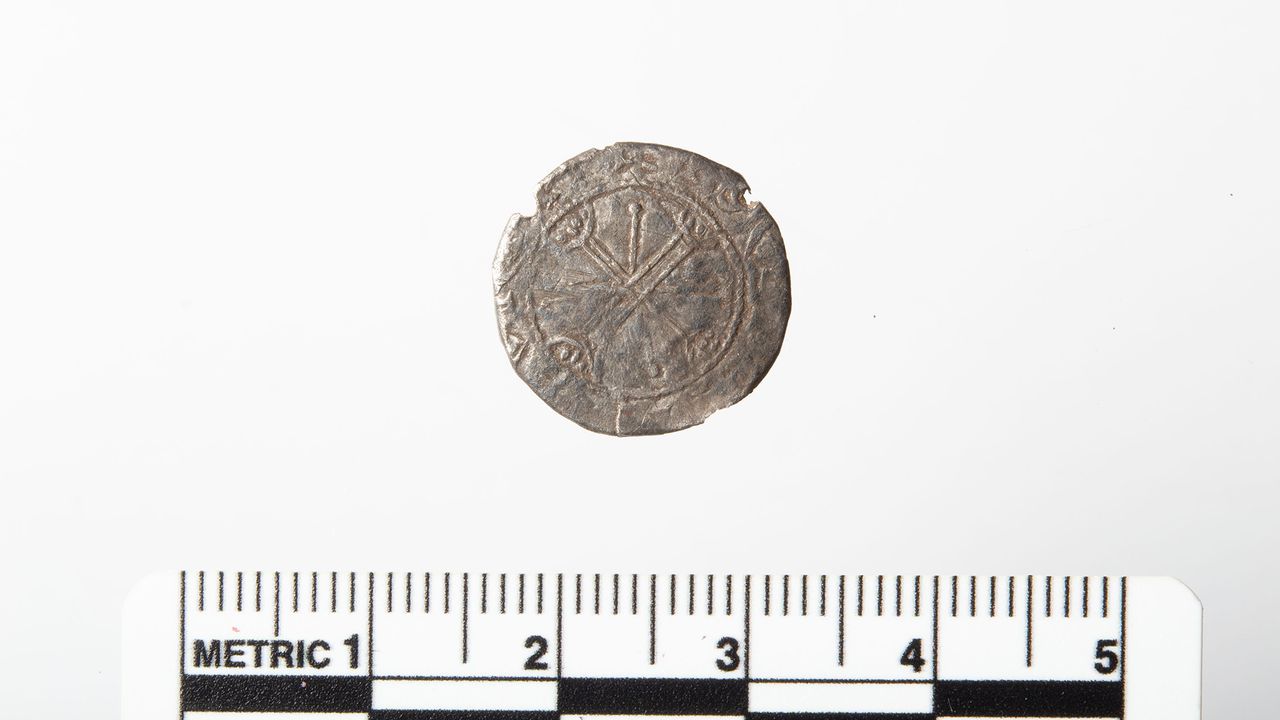
A metal detectorist in Norway discovered what appeared to be a corroded button but turned out to be a rare silver coin minted during the reign of Magnus Barefoot, the medieval Norwegian king sometimes called the last Viking ruler. Researchers confirmed this marks the first coin of its type ever found within Norway's borders.
Magnus Barefoot reigned from 1093 to 1103 and earned his nickname for allegedly refusing to wear trousers, instead adopting the Scottish kilt-style garments of the Hebrides, which he conquered. The coin's discovery provides tangible evidence of his monetary systems and trade networks during this critical period of Scandinavian history.
The artifact's initial misidentification as a button reflects how thoroughly corrosion obscured the coin's true nature. Once cleaned and examined, researchers identified distinctive markings characteristic of Magnus Barefoot's coinage. The find enriches understanding of late Viking-era commerce and territorial control in the North Atlantic region.
Coins from this period remain exceptionally rare in Scandinavian archaeological contexts. Most examples originate from hoards discovered in Scandinavia or trade centers in Russia and the Baltic regions, where Norwegian merchants conducted extensive business. Finding a specimen on Norwegian soil itself demonstrates the domestic use of coinage during Magnus's reign, a period when many regional rulers still relied heavily on barter and precious metal weights rather than standardized currency.
The discovery illustrates how metal detecting continues to yield important archaeological finds and how meticulous examination by experts can transform seemingly mundane objects into historically significant artifacts. It also highlights the value of public participation in cultural heritage discovery, as amateur detectorists frequently unearth materials that professional archaeologists might never encounter through traditional excavation alone.
This coin now enters museum collections, where it will help researchers refine chronologies of Norwegian medieval coinage and trade patterns. Such individual finds, while small, accumulate