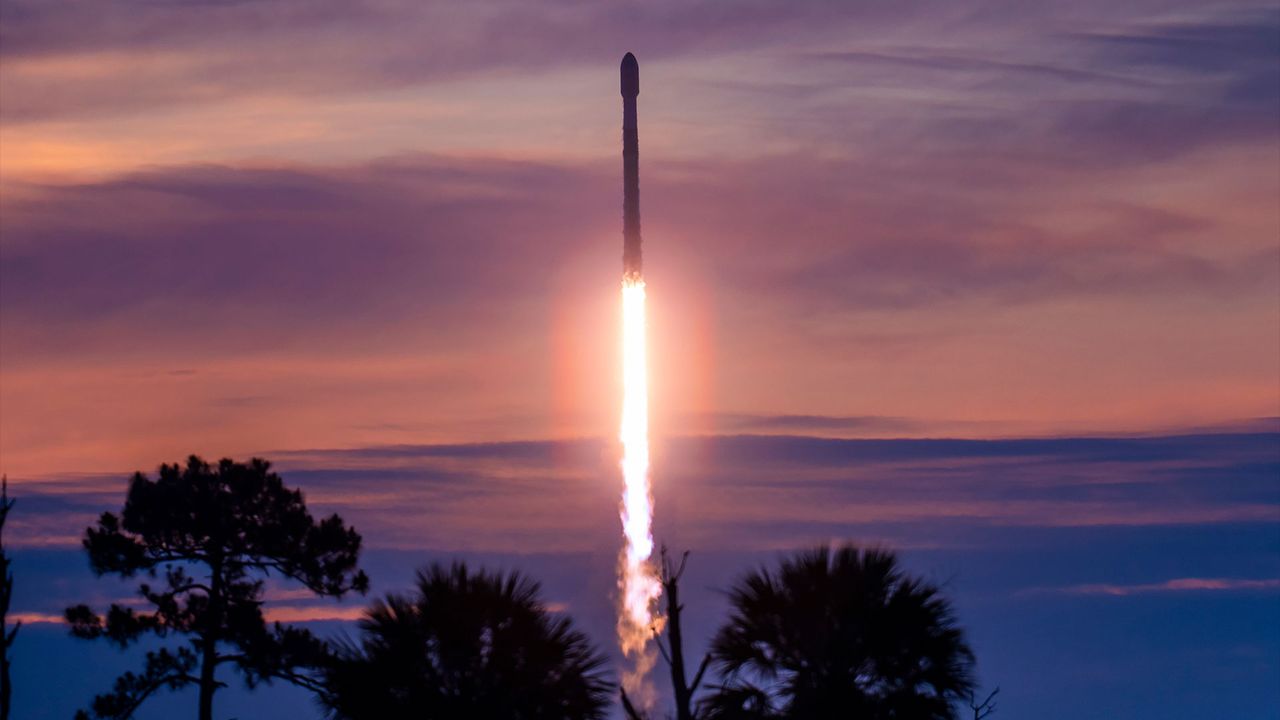
SpaceX will launch a Falcon 9 rocket for its 36th flight early Thursday morning on July 9, setting a new reusability record for the company. The launch will be available to watch live.
The achievement underscores SpaceX's success with rocket reusability, a core component of CEO Elon Musk's strategy to reduce launch costs and increase launch frequency. Each Falcon 9 first stage booster that completes 36 flights represents hundreds of millions of dollars in savings compared to expendable rocket programs, where boosters are discarded after a single use.
SpaceX introduced the Falcon 9 in 2010 and began recovering first-stage boosters in 2015. The company has methodically increased flight rates for individual boosters over the past decade. Early boosters flew once or twice before retirement. By 2020, some boosters reached double-digit flight counts. The company now regularly launches the same booster multiple times per year after brief refurbishment periods.
The 36th flight milestone demonstrates that Falcon 9 boosters can maintain structural integrity and performance across dozens of operations. Engineers inspect the boosters between flights, replacing engines and other wear items as needed. The reusability program has enabled SpaceX to conduct hundreds of launches while maintaining a relatively small fleet of physical hardware.
This achievement also positions SpaceX competitively as other providers develop reusable rockets. Blue Origin's New Shepard and New Glenn programs focus on reusability. Relativity Space and other emerging companies are developing novel manufacturing and launch approaches.
The specific mission details for Thursday's launch, including payload and destination, will influence the technical requirements and booster trajectory. SpaceX typically posts mission updates on its website and social media channels prior to launch windows.
The broader significance extends beyond SpaceX's operations. Demonstrated re