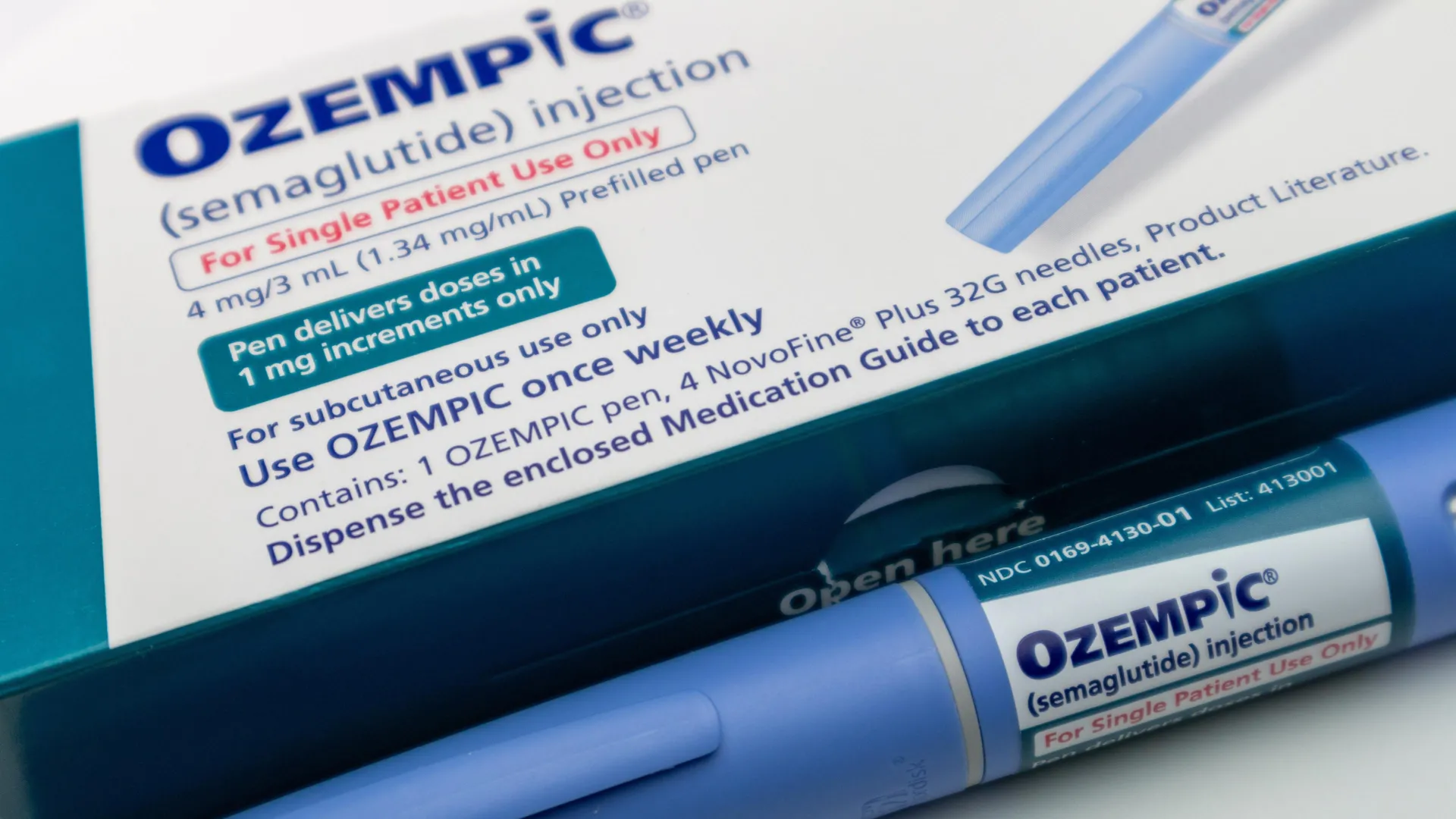
Accidental overdoses of semaglutide, the active ingredient in diabetes drug Ozempic and weight-loss medication Wegovy, have sent thousands of people to poison control centers since the drug's approval for weight management. Researchers found that dosing errors, not intentional misuse, drive most of these calls.
Semaglutide comes in a once-weekly injection format that requires careful dose escalation. Patients often misunderstand the weekly dosing schedule or accidentally administer multiple doses, triggering adverse effects like severe nausea, vomiting, and dehydration. The surge in poison control calls coincides directly with Wegovy's market expansion and increased off-label prescribing of Ozempic for weight loss.
The researchers traced the problem to gaps in patient education and pharmacy instruction. Many people treat semaglutide like other injectable medications they may have encountered, assuming daily rather than weekly administration. Others confuse the dose-escalation protocol, which typically starts at 0.25 mg weekly and increases gradually over months.
Common overdose symptoms mirror the drug's intended side effects but at dangerous intensities. Severe nausea and vomiting can lead to dehydration and electrolyte imbalances, particularly risky for older adults or those with kidney disease. Most cases resolve with supportive care and monitoring, but the preventable nature of these incidents points to a critical gap in how the medication is communicated to patients.
The solution requires minimal intervention. Clear written instructions about once-weekly dosing, explicit warnings against taking multiple doses, and confirmation of dose strength at pharmacy pickup could substantially reduce errors. Healthcare providers prescribing these medications must emphasize the dose escalation schedule during initial consultations.
This research underscores a broader challenge in rapid drug adoption. As semaglutide's popularity exploded across diverse patient populations, infrastructure