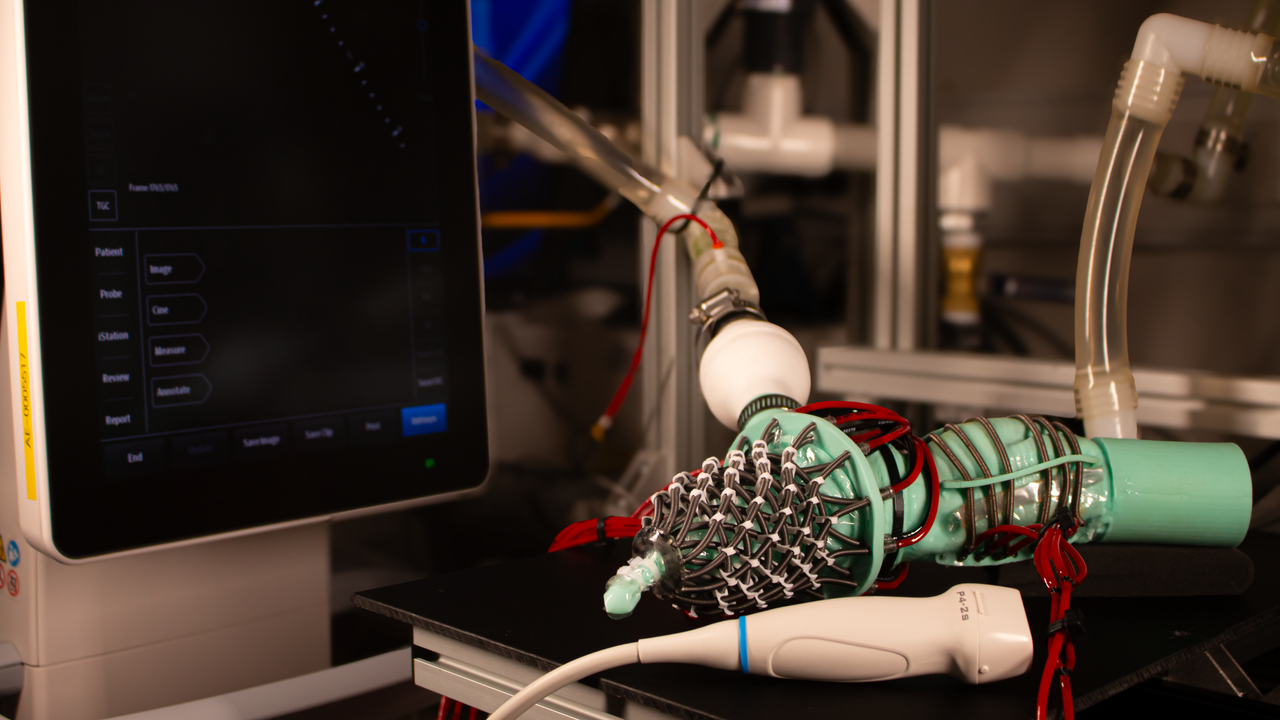
Researchers have developed a robotic heart system that reproduces the mechanical dysfunction underlying heart failure, opening new pathways for testing therapies before clinical trials. The device mimics how the organ fails under various conditions, allowing scientists to study the progression of cardiac disease in controlled settings.
Heart failure affects millions globally and remains difficult to treat because the condition develops through multiple stages, each with distinct mechanical problems. Traditional research methods rely on animal models or isolated tissue samples, both of which have limitations in replicating whole-organ complexity. The robotic heart addresses this gap by mechanically simulating the contractions and relaxations that deteriorate as the disease advances.
The system functions as a biofidelic pump, recreating the specific geometric and hemodynamic changes that occur during heart failure progression. Researchers can adjust parameters to represent early-stage disease through severe dysfunction, effectively running experiments that would take years to observe in living organisms. This controlled environment enables faster identification of which drug candidates or device designs actually restore proper cardiac function rather than simply masking symptoms.
The technology holds particular value for understanding mechanisms that remain poorly characterized. Heart failure encompasses multiple phenotypes, and the robotic model allows isolation of specific pathological processes. Researchers can test whether a given intervention affects the underlying mechanical failure or merely compensates for it, a distinction crucial for developing durable treatments.
Limitations remain. Robotic systems cannot fully capture the complexity of living tissue, including electrical signaling, inflammation, and metabolic changes that accompany disease. The model excels at evaluating mechanical interventions and therapies targeting contractile function, but cannot replace studies examining systemic effects. Integration with other technological platforms, such as computational modeling or tissue engineering approaches, likely offers the most complete research strategy.
The development reflects broader trends in biomedical engineering toward creating physiologically accurate test beds. Rather than replacing animal research or clinical trials, the robotic heart functions as an intermediate platform where