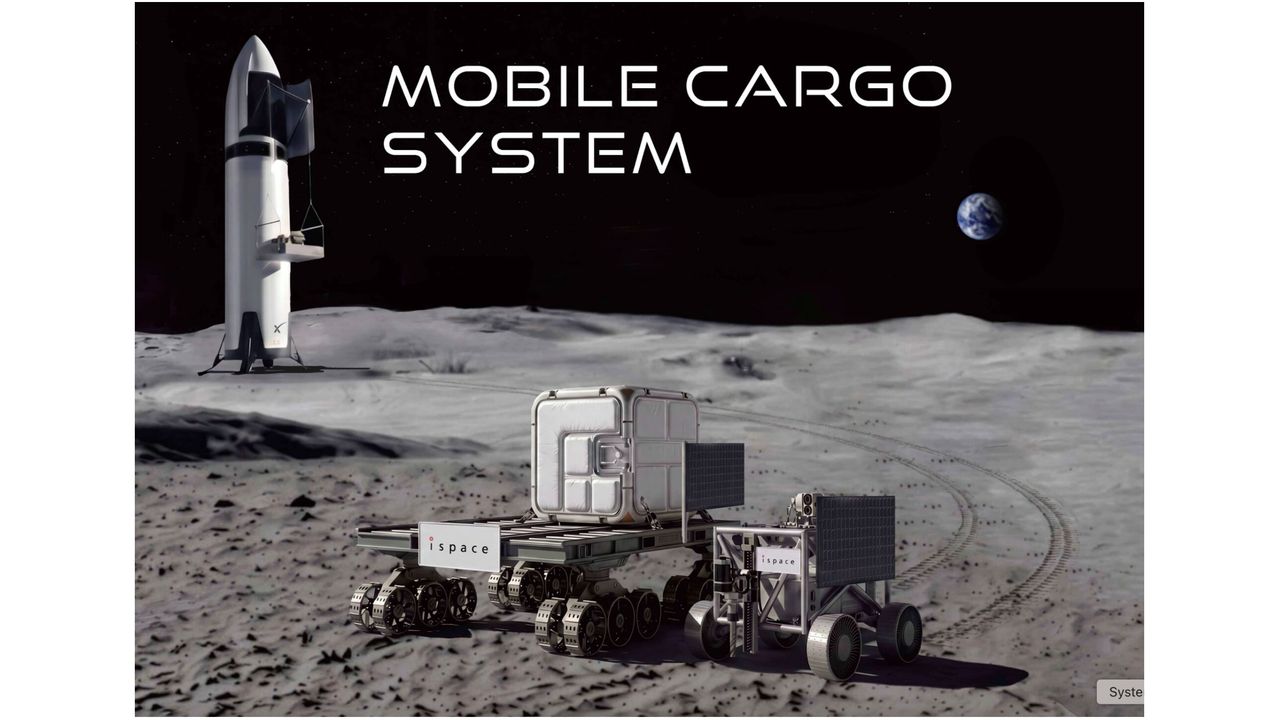
ispace, a Japanese lunar logistics company, has secured cargo space aboard SpaceX's Starship for a mission to the moon. The company booked approximately 1,100 pounds of cargo capacity on the megarocket, marking a significant expansion of ispace's lunar delivery operations.
ispace has established itself as a key player in commercial lunar exploration, operating a fleet of small landers designed to transport payloads to the lunar surface. The company's previous missions include the Hakuto-R lander program, which aimed to deliver experiments and instruments to the moon. By partnering with SpaceX and Starship, ispace gains access to substantially greater payload capacity than its current systems can provide.
Starship represents SpaceX's next-generation launch vehicle, designed for deep space missions including lunar and Mars operations. The fully reusable rocket system offers unprecedented cargo capacity for lunar transport compared to existing commercial alternatives. This partnership reflects growing demand from companies seeking reliable lunar delivery infrastructure as space agencies and private entities pursue expanded moon exploration.
The booking demonstrates confidence in Starship's development timeline and capabilities. SpaceX has conducted multiple test flights of the integrated Starship system, with ongoing refinements to achieve full operational status. The company targets regular orbital refueling operations that would enable efficient lunar missions.
ispace's expansion into Starship services positions the company to capture market opportunities created by increased lunar interest. Multiple space agencies including NASA have committed to sustained lunar operations under the Artemis program, generating demand for commercial logistics services. Private companies pursuing lunar mining, research, and resource utilization projects also require reliable transport options.
The partnership underscores a broader shift toward commercial infrastructure supporting deep space exploration. Rather than building entirely proprietary systems, companies increasingly coordinate services, allowing specialized providers like ispace to focus on landing and payload deployment while using established launch providers. This modular approach reduces development costs and accelerates