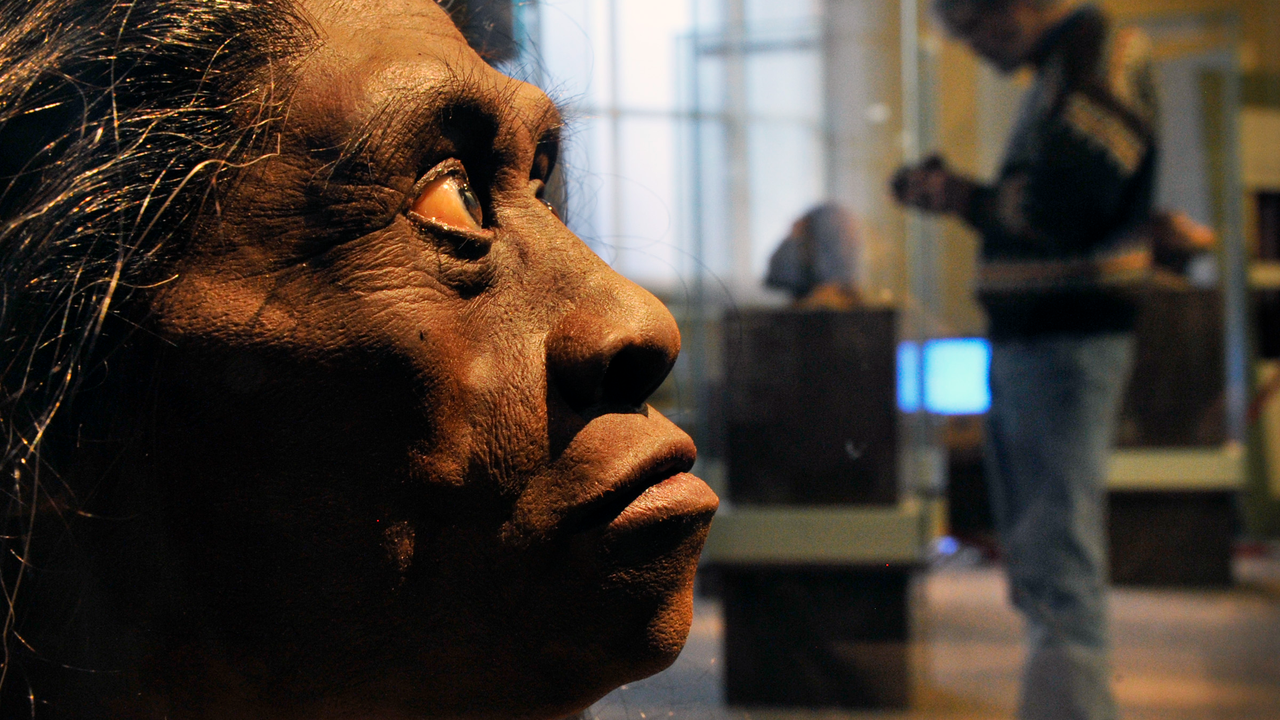
Researchers analyzing fossilized animal bones from Indonesian archaeological sites have concluded that Homo floresiensis, the diminutive extinct human species known as "the Hobbit," scavenged rather than hunted and showed no evidence of controlling fire.
The study examined bones recovered alongside Homo floresiensis remains at Liang Bua cave on the island of Flores, Indonesia. Scientists found that the marks on these bones matched patterns created by stone tools, but the evidence pointed to scavenging behavior rather than active hunting. The team identified damage consistent with bone processing using sharp implements, suggesting the Hobbit consumed meat from animals already dead.
Homo floresiensis stood roughly three feet tall and lived between approximately 100,000 and 50,000 years ago. The species represents one of the most enigmatic branches in the human family tree. Prior debates centered on whether these small-bodied hominins possessed sophisticated hunting capabilities or relied on opportunistic feeding strategies.
This analysis strengthens the scavenging hypothesis. Researchers noted an absence of butchering patterns typical of successful hunters, along with limited evidence for fire control at occupation sites. The discovery of dwarf elephant bones, belonging to the extinct species Stegodon, proved particularly informative about dietary practices.
The findings reshape understanding of Homo floresiensis cognitive abilities and social organization. A scavenging lifestyle suggests different survival strategies than those employed by contemporary Homo sapiens populations. The species may have exploited ecological niches unavailable to larger-bodied competitors, relying on small game, plant foods, and carcass consumption.
Scientists acknowledge limitations in skeletal evidence and the challenges of interpreting behavior from fragmentary remains. However, the accumulated bone analysis presents a coherent picture of a species adapted to island conditions through different means than previously theorized.
The mystery of Homo floresiensis ancestry deepens with