Scientists have discovered that vitamin A and thyroid hormones control how the human eye develops sharp central vision, fundamentally changing what researchers thought happened during fetal development.
The research reveals that blue cone cells in the retina do not migrate away from the center of the eye as previously believed. Instead, they transform directly into red and green cones through signals involving vitamin A metabolism and thyroid hormone activity. This transformation concentrates the color receptors needed for detailed central vision in the fovea, the eye's sharpest region.
The discovery emerged from studying how cone cells organize during development in the womb. Researchers observed that vitamin A signaling acts as a molecular switch, triggering blue cones to change their identity rather than relocate. Thyroid hormones amplify this process, working alongside vitamin A to orchestrate the cellular transformation.
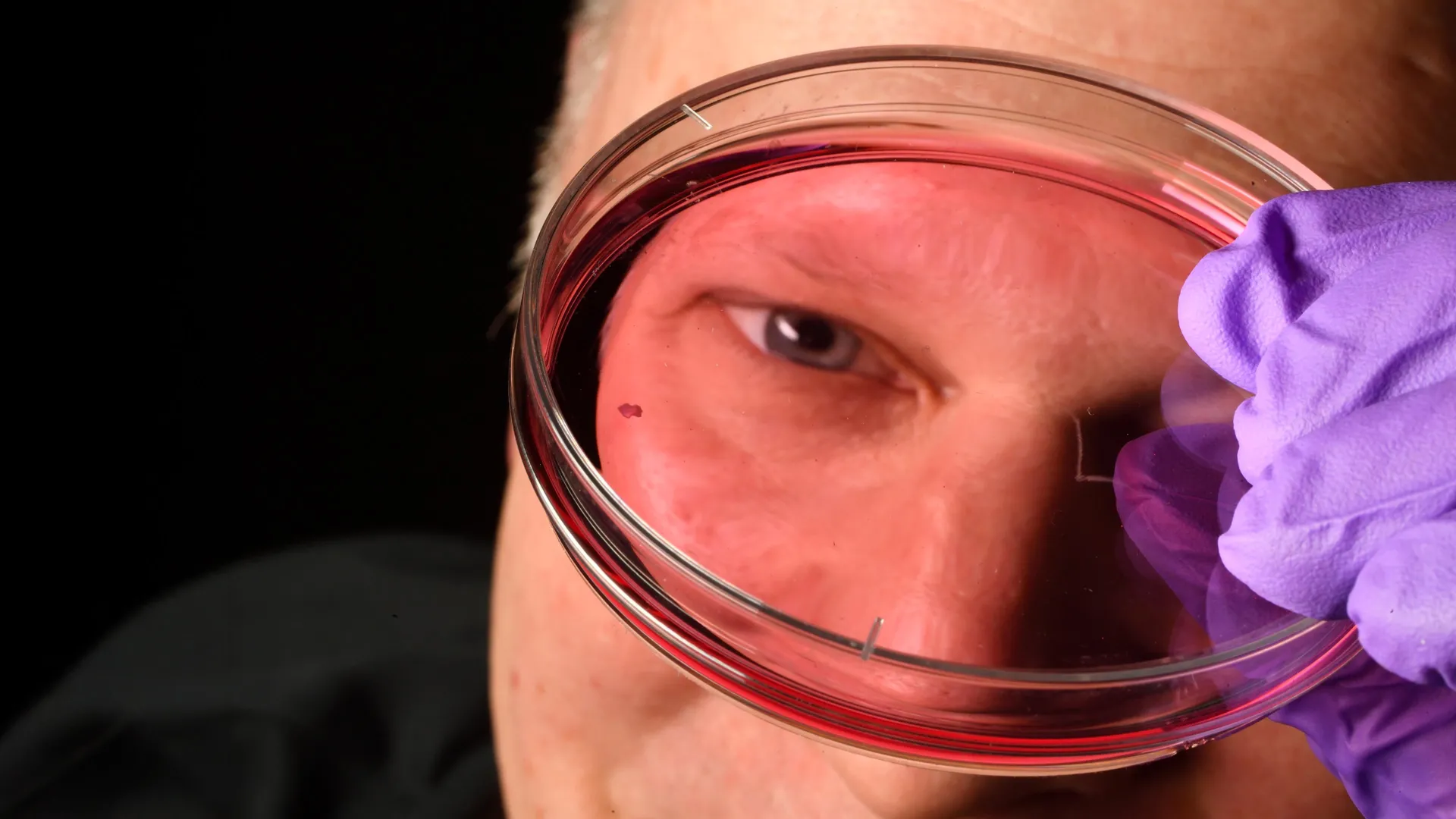
This finding has immediate practical applications. Scientists growing retinal tissue in laboratories can now better replicate natural cone development by controlling vitamin A and thyroid hormone levels in culture dishes. More sophisticated lab-grown retinas could provide better platforms for testing new drugs and understanding eye disease.
The work also opens possibilities for cell therapies targeting age-related vision loss. Conditions like macular degeneration destroy cone cells in the central retina, causing blindness in older adults. If researchers can harness the same vitamin A and thyroid hormone signals to regenerate or reprogram surviving cone cells, they might restore functional vision in patients.
The study corrects a long-standing assumption in developmental biology and demonstrates how fundamental discoveries about human development still emerge. Understanding exactly how cells receive and respond to chemical signals during development provides blueprints for therapeutic interventions later in life. These findings represent progress toward treatments for currently incurable eye diseases affecting millions worldwide.