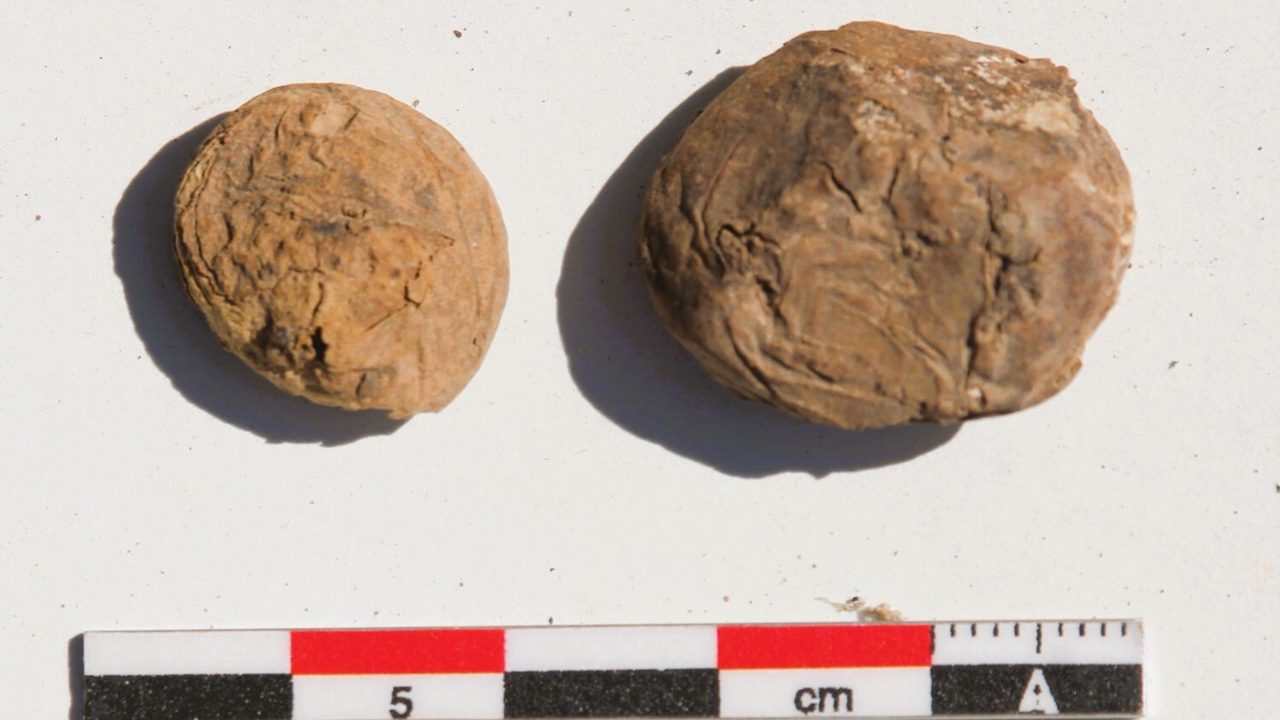
Archaeologists excavating a storage room in Peru have uncovered freeze-dried potatoes dating back 500 years to the Inca civilization. The discovery reveals how the Inca engineered one of history's first preservation technologies to transport food across vast distances.
The potatoes, which researchers identified through careful analysis of the stored samples, represent chuño, a traditional Andean freeze-dried potato product. The Inca produced chuño by exposing potatoes to high-altitude freezing at night and allowing them to thaw and dry during the day, a natural cycle that removed moisture while preserving nutrients. This process created lightweight, shelf-stable food that could survive months without spoiling.
The Inca transported these freeze-dried potatoes hundreds of miles from their origin in the Andes highlands to supply distant populations and military expeditions. The technique addressed a critical challenge facing the empire. High-altitude regions produced potatoes as a staple crop, but moving fresh tubers across rough terrain over long distances proved impractical. Chuño solved this logistical problem. A small amount of freeze-dried potato provided substantial nutrition and calories in minimal weight and space.
The storage room find demonstrates the sophistication of Inca agricultural management and food security systems. Rather than relying on seasonal availability or risk of spoilage, the empire stockpiled preserved provisions. This strategy allowed the Inca to maintain large military forces, support urban centers, and feed populations during lean periods or crop failures.
Chuño production continues in Andean communities today, representing a living link to pre-Columbian food technology. Modern analysis confirms the Inca achieved moisture levels and shelf stability comparable to contemporary freeze-drying methods, though without refrigeration or mechanical equipment. The discovery underscores how ancient engineering solutions addressed fundamental problems of food security and resource distribution across challenging geography. The