Researchers studying memory formation in mice have identified why humans retain almost no recollection of events from early childhood, a phenomenon known as infantile amnesia. The work centers on how the hippocampus, the brain's primary memory hub, develops differently in young versus mature brains.
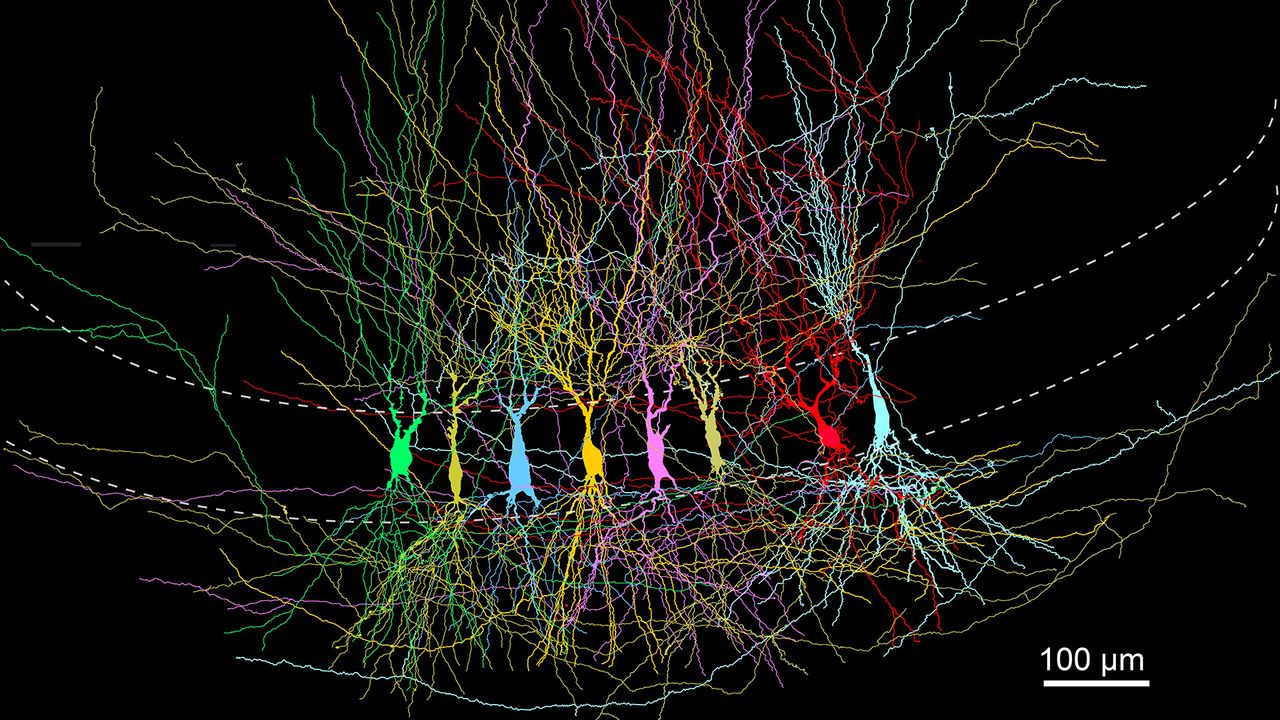
The study reveals that neural networks in the hippocampus of young mice exhibit dense, highly connected architecture. These excessive connections gradually refine into precise, specialized circuits as the animal matures. This developmental remodeling process appears to erase early memories while establishing the efficient memory systems that persist into adulthood.
The research suggests that childhood amnesia results not from an inability to form memories but from ongoing structural changes in the brain itself. Young brains sacrifice memory retention for neural plasticity, prioritizing developmental flexibility and learning capacity. Once these networks consolidate into their mature configuration, memories formed during the earlier phase become inaccessible or are overwritten.
This finding aligns with earlier neuroscience research showing that the hippocampus undergoes significant rewiring during early development. The excessive connectivity in young neural circuits lacks the specificity needed to store and retrieve distinct memories reliably. As pruning and refinement occur, neurons establish more targeted connections suited to encoding specific experiences, but this process appears incompatible with preserving earlier memories formed under the old network structure.
The mouse model provides critical insights applicable to human memory development. Both species share similar hippocampal anatomy and developmental timelines, making rodent studies particularly relevant for understanding human neurobiology. Researchers can manipulate mouse brain development experimentally in ways impossible with human subjects, allowing direct observation of how neural refinement affects memory formation.
Understanding infantile amnesia has broader implications for neurodevelopmental disorders and memory dysfunction in aging. The work also informs theories about how environmental experiences during early childhood affect lifelong brain organization, even if specific memories vanish. While individual recall