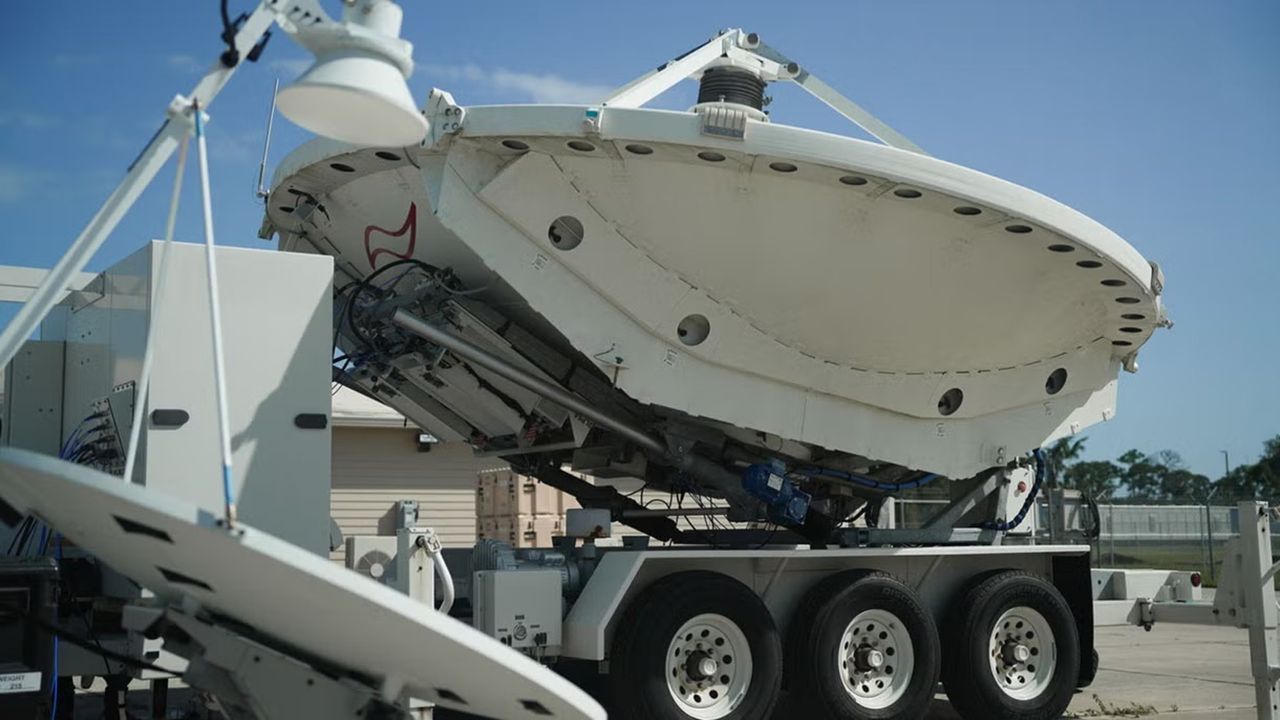
The U.S. Space Force has deployed a new counter-space weapon capable of emitting electromagnetic radiation to disable or damage adversary satellites. The system represents one of the first publicly confirmed offensive space weapons in the military's arsenal.
Electromagnetic jamming technology operates by flooding targeted satellites with radio frequency energy, disrupting their communications, sensors, or control systems without requiring physical impact. Unlike kinetic anti-satellite weapons that create dangerous orbital debris, electromagnetic attacks can theoretically be reversible if the target survives the assault.
The Space Force's acquisition of this weapon reflects growing military concerns about space dominance. Modern conflicts increasingly depend on satellite networks for communications, GPS, reconnaissance, and missile guidance. Adversaries like China and Russia have demonstrated anti-satellite capabilities in recent years, prompting the U.S. to develop its own counter-space defenses.
The service has not disclosed specific technical details about the weapon's range, power output, or deployment status. Such secrecy follows standard practice for military systems, preventing adversaries from developing countermeasures. The Space Force typically tests new weapons systems extensively before operational deployment.
Electromagnetic warfare in space presents unique challenges. Satellites operate at varying altitudes and orbital velocities. The weapon must overcome atmospheric interference and maintain targeting accuracy across thousands of kilometers. Operators must also distinguish between legitimate and hostile spacecraft to avoid unintended consequences.
International implications remain complex. No binding treaties explicitly prohibit electromagnetic attacks on satellites, leaving legal ambiguity. The 1967 Outer Space Treaty bans weapons of mass destruction in orbit but permits conventional military systems. An escalating cycle of space weapons development could increase collision risks and debris generation, threatening all spacefaring nations.
The Space Force's move toward offensive capabilities marks a significant shift in military doctrine. Space command traditionally focused on defending existing assets. Acquiring weapons that can actively strike enemy systems indicates preparedness for potential peer conflict in the