# Elite Families Ruled Nomadic Scythian Society, DNA Analysis Reveals
A sweeping genetic study uncovers the social structure of ancient Scythian societies across the Eurasian steppe, showing that power concentrated in elite dynastic families roughly 2,500 years ago. The research demonstrates that women held prominent positions within these ruling classes, challenging assumptions about gender roles in nomadic cultures.
Researchers conducted DNA analysis on skeletal remains from burial mounds, or kurgans, scattered across vast territories from the Black Sea to Mongolia. The study traced family relationships across generations and identified individuals with elevated social status based on grave goods and burial practices. The genetic data revealed recurring family lineages in premium burial sites, indicating hereditary succession of power.
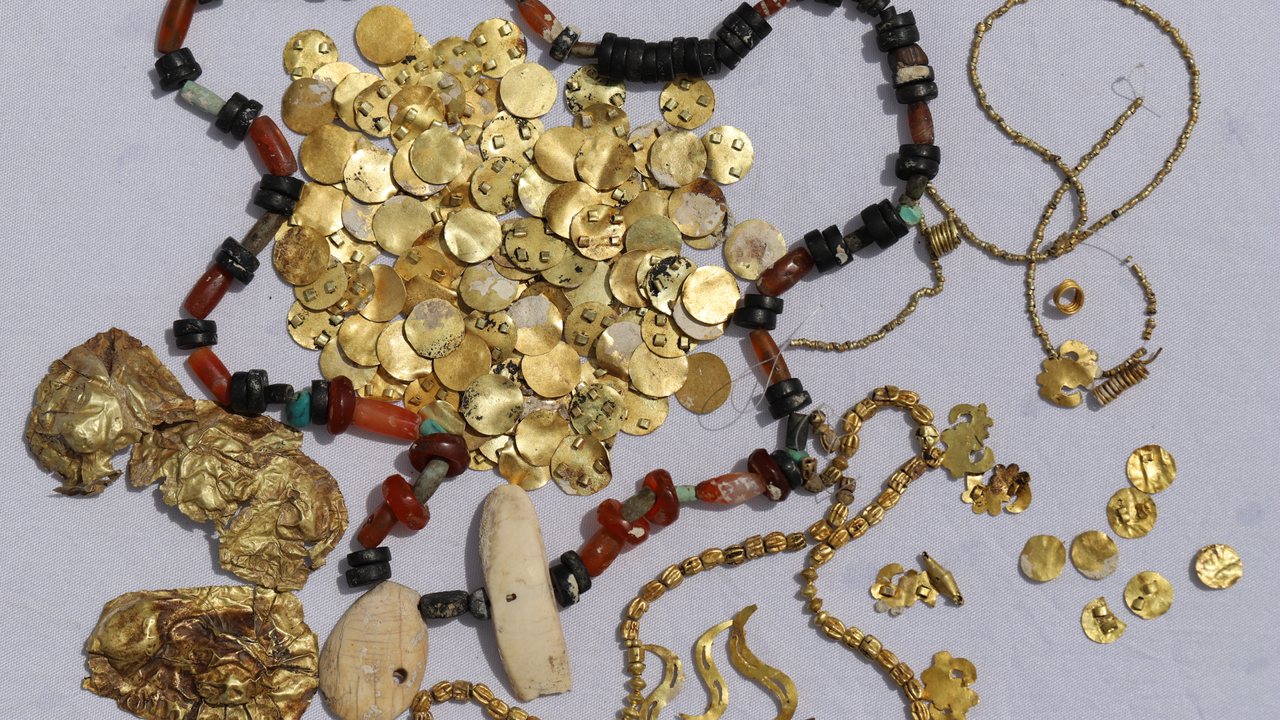
The findings show that Scythian leadership operated through patrilineal descent, with sons inheriting authority from fathers. However, the presence of high-status women in elite burials suggests female rulers or co-rulers held genuine authority rather than serving purely decorative roles. Some women received lavish grave goods and central burial positions normally reserved for warriors and nobles.
The research maps population movements across the steppe and identifies genetic signatures of mixing between nomadic groups and settled agricultural societies. This challenges the popular image of Scythians as isolated raiders, revealing instead complex networks of exchange and intermarriage spanning thousands of kilometers.
The study appears in peer-reviewed journals and synthesizes data from multiple institutions studying ancient steppe populations. Archaeologists note the results align with written accounts from Greek historians like Herodotus, who described powerful Scythian queens, though earlier scholars often dismissed such accounts as exaggeration.
The genetic approach provides concrete evidence where written sources remain fragmentary or unreliable. By connecting DNA patterns to burial archaeology, researchers reconstruct kinship networks invisible in the historical record. The work demonstrates how nomadic empires maintained stability