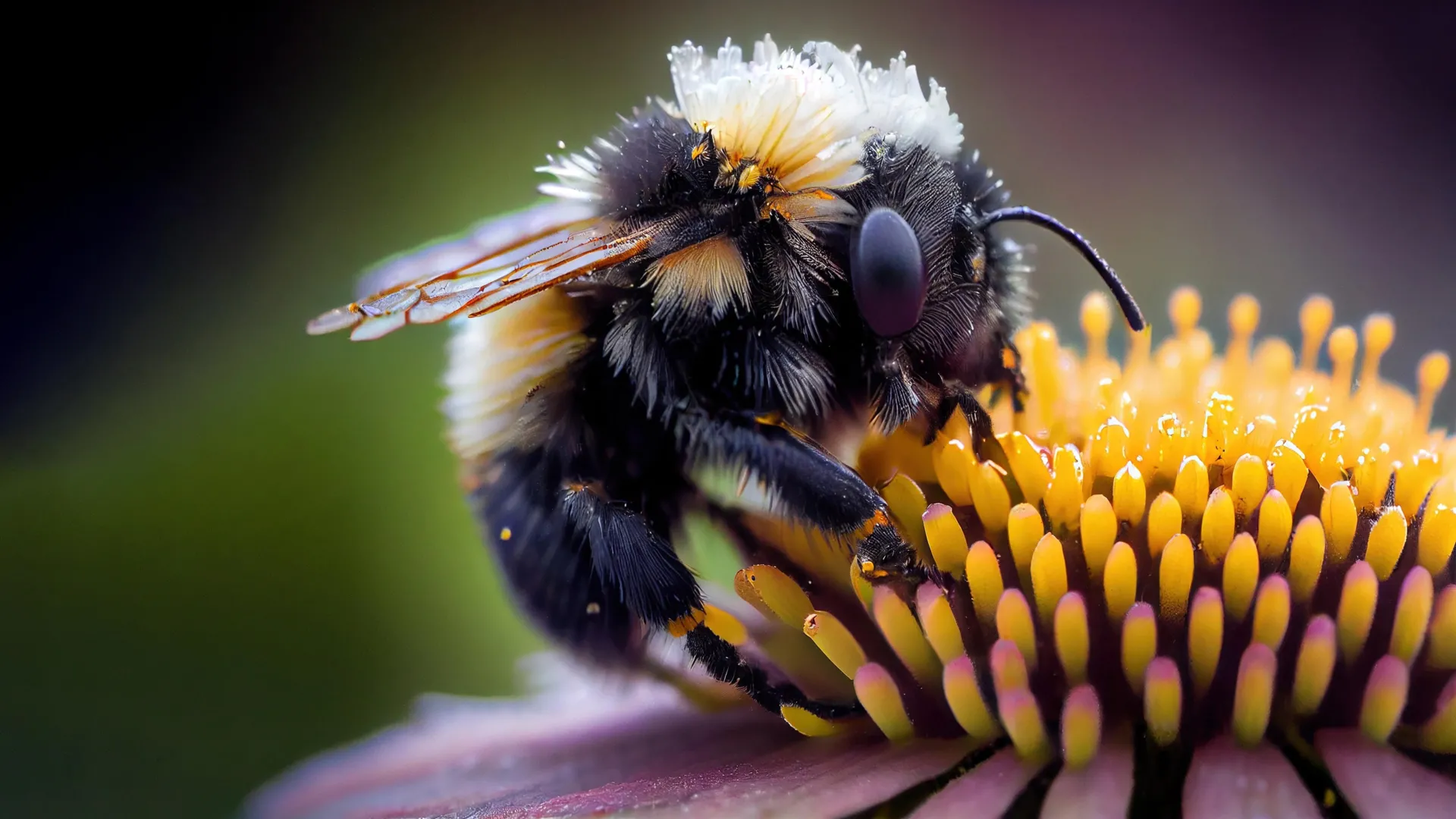
Bumblebees accumulate toxic heavy metals at rates up to seven times higher than honeybees when foraging in identical environments, according to new research. This disparity poses an unrecognized threat to bumblebee populations already stressed by habitat loss and climate change.
The findings emerge from a comparison of metal bioaccumulation in both bee species sharing the same foraging grounds. Bumblebees showed substantially elevated concentrations of cadmium, lead, and other heavy metals in their bodies, suggesting fundamental differences in how the two groups interact with polluted environments.
Researchers attribute this vulnerability to bumblebees' unique foraging behavior and physiology. Unlike honeybees, which remain in centralized hives, bumblebees nest in individual colonies closer to ground level and spend extended time foraging alone. This ground-hugging lifestyle increases exposure to contaminated soil and vegetation. Additionally, bumblebees' smaller colony sizes mean fewer individual workers share the burden of toxic exposure, concentrating the effects within each colony.
The metal accumulation directly impairs bumblebee function. Heavy metals disrupt neural signaling and energy metabolism, hampering navigation abilities essential for locating flowers and nectar sources. The toxins also damage reproductive systems and weaken immune responses, leaving colonies more vulnerable to disease and parasites.
This hidden pollution layer complicates conservation efforts. While habitat destruction remains the primary driver of bumblebee decline, heavy metal contamination operates in parallel, silently reducing population viability even in protected areas near industrial zones or agricultural regions with legacy pollution. Urban and suburban environments with atmospheric deposition from traffic and manufacturing compound the problem.
The research underscores how bumblebees face multiple stressors simultaneously. Declining food availability from habitat loss combines with metal toxicity to create a cascade of failures in cognition, reproduction, and disease resistance. Honeybees'