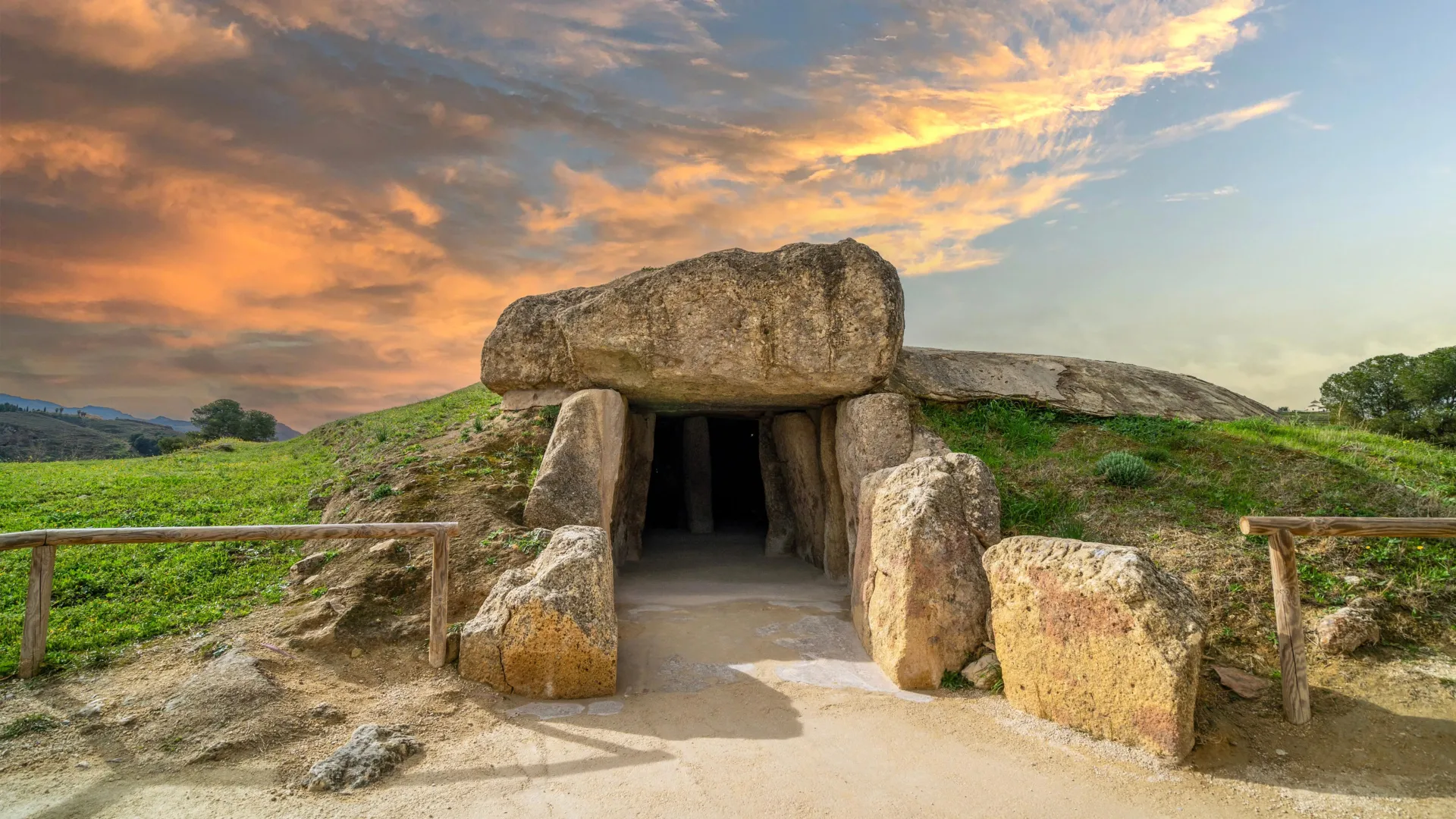
Researchers analyzing ancient DNA from a 5,000-year-old French megalithic tomb have discovered a dramatic population replacement that reshaped Neolithic Europe. The study reveals that people buried before and after a catastrophic collapse were genetically unrelated, indicating a massive migration event replaced the original inhabitants during a period of societal crisis.
The DNA evidence shows two distinct populations occupying the same burial site in what is now France. The earlier group, who constructed Europe's iconic megalithic monuments, vanished from the archaeological record. A genetically distinct population subsequently moved into the region, bringing new cultural practices and social traditions that fundamentally transformed the landscape.
This genetic discontinuity points to more than gradual cultural change. It suggests a severe disruption, possibly triggered by disease, climate stress, or resource scarcity, that destabilized the megalith-building societies. The incoming migrants exploited the vacant territory, establishing themselves and their own burial customs where the original communities once thrived.
The megalithic builders, who created massive stone tombs and monuments across Western Europe, represent one of prehistory's most sophisticated societies. Their sudden disappearance has puzzled archaeologists for decades. This genetic analysis provides concrete evidence that the transition involved complete population replacement rather than cultural adaptation by the same people.
The research connects DNA findings to the broader archaeological context, revealing how ancient crises could trigger wholesale demographic shifts. The collapse of megalithic societies and their replacement by new populations represents a pivotal moment in European prehistory, when established ways of life gave way to entirely new populations with different cultural frameworks.
The study demonstrates how ancient DNA and archaeological evidence together illuminate human history. By extracting genetic material from skeletal remains in burial contexts, researchers can answer questions about identity, migration, and societal change that material culture alone cannot resolve. This approach opens new possibilities for understanding population dynamics in the deep past.