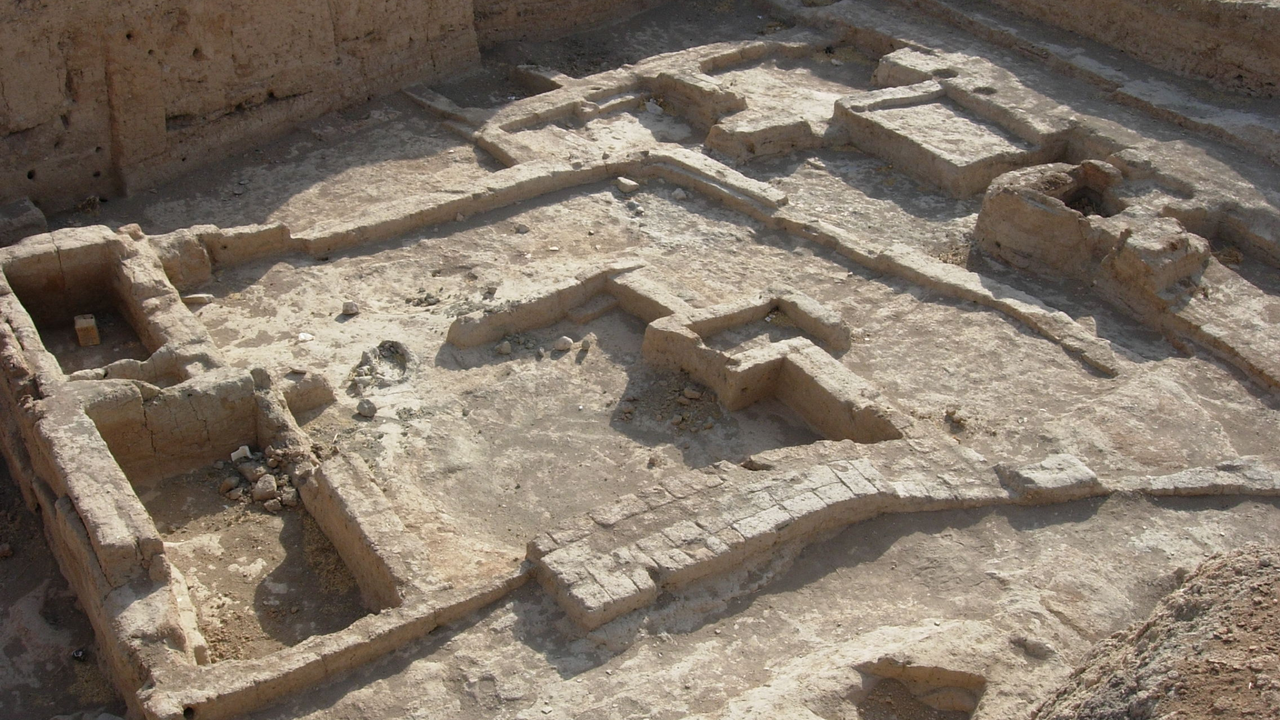
Archaeologists working in Syria have uncovered skeletal evidence of what may represent one of the world's oldest known cases of child abuse. The remains of an infant dating to approximately 6,000 years ago show multiple broken ribs consistent with severe trauma, according to researchers studying Mesopotamian burial sites.
The discovery provides rare physical evidence of violence against children in the ancient world. Most historical understanding of child welfare in antiquity relies on written records, artwork, or indirect archaeological clues. This skeleton offers direct osteological evidence that such abuse occurred in early civilizations.
The infant's injuries show patterns suggesting deliberate force rather than accidental trauma. Broken ribs in young children rarely result from falls or normal play. The specific fracture patterns documented on these remains indicate repeated blunt force applied to the torso, the kind of injuries associated with beating or violent handling.
The remains come from a Mesopotamian burial context dated to roughly 4000 BCE, placing this case among the earliest suspected instances of child maltreatment in the archaeological record. While evidence of violence in ancient societies is well documented, targeted abuse of infants is rarely identified in skeletal remains due to the difficulty of distinguishing intentional injury from accidental trauma or postmortem damage.
This finding challenges assumptions about childhood protection in ancient communities. Many scholars have suggested that child welfare improved gradually with civilization's development, yet this skeleton demonstrates that severe harm to children occurred even in early settled societies.
The research underscores both the limitations and potential of bioarchaeology. Skeletal analysis can reveal health conditions, nutrition, and trauma, but diagnosing intentional abuse requires careful analysis and caution against misinterpretation. The researchers likely applied rigorous protocols to eliminate alternative explanations before concluding the injuries resulted from deliberate violence.
The discovery adds an uncomfortable chapter to human prehistory but serves an important function. By documenting ancient