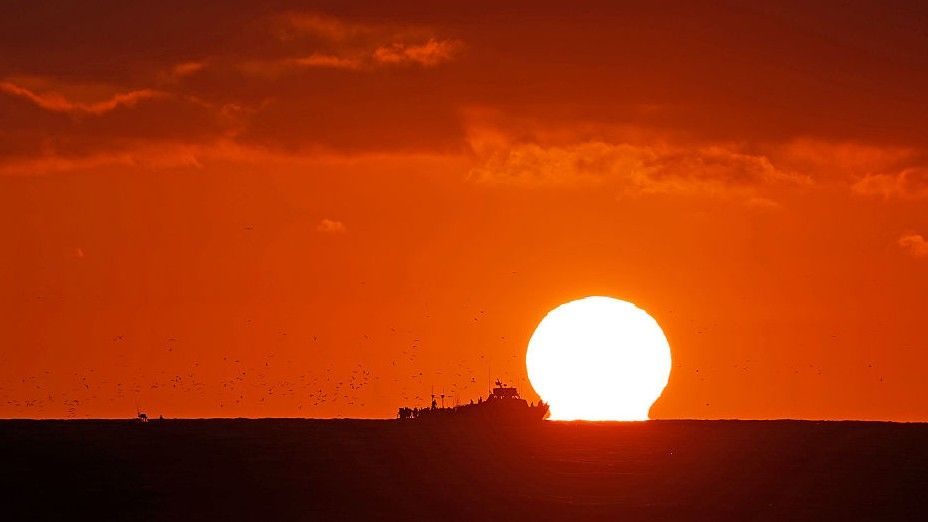
Global ocean temperatures hit their highest levels on record for June, driven by the onset of El Niño conditions in the Pacific Ocean. Scientists report that sea surface temperatures exceeded all previous measurements for the month, creating what researchers describe as "uncharted territory" for marine systems worldwide.
El Niño occurs when waters in the equatorial Pacific warm beyond normal thresholds, disrupting atmospheric circulation patterns and triggering cascading effects across the globe. The phenomenon strengthens jet streams and alters precipitation patterns, increasing the likelihood of extreme weather events including intense hurricanes, severe droughts, and torrential flooding in vulnerable regions.
The record June temperatures raise immediate concerns for ocean ecosystems already stressed by chronic warming and pollution. Coral bleaching becomes more likely as water temperatures exceed the thermal tolerance of reef-building corals. Fish populations face disrupted spawning cycles and altered food web dynamics. Kelp forests and other temperature-sensitive habitats show vulnerability to rapid thermal shifts.
Beyond marine life, the elevated ocean temperatures drive sea level rise through thermal expansion of water. Coastal communities face increased flooding risks even during normal tidal cycles. The warming also intensifies the hydrological cycle, strengthening the atmosphere's capacity to hold moisture and deliver it as extreme rainfall.
The declaration of El Niño in June 2023 came from the National Oceanic and Atmospheric Administration after months of ocean temperature anomalies suggested the transition from neutral conditions. Forecasters warned that El Niño episodes typically persist for 9 to 12 months, meaning elevated temperatures and associated weather disruptions would likely continue through early 2024.
Scientists emphasize that while El Niño is a natural climate pattern occurring roughly every 2 to 7 years, the baseline ocean temperatures from which these anomalies originate have risen substantially due to human-caused climate change. This means El Niño events now occur against