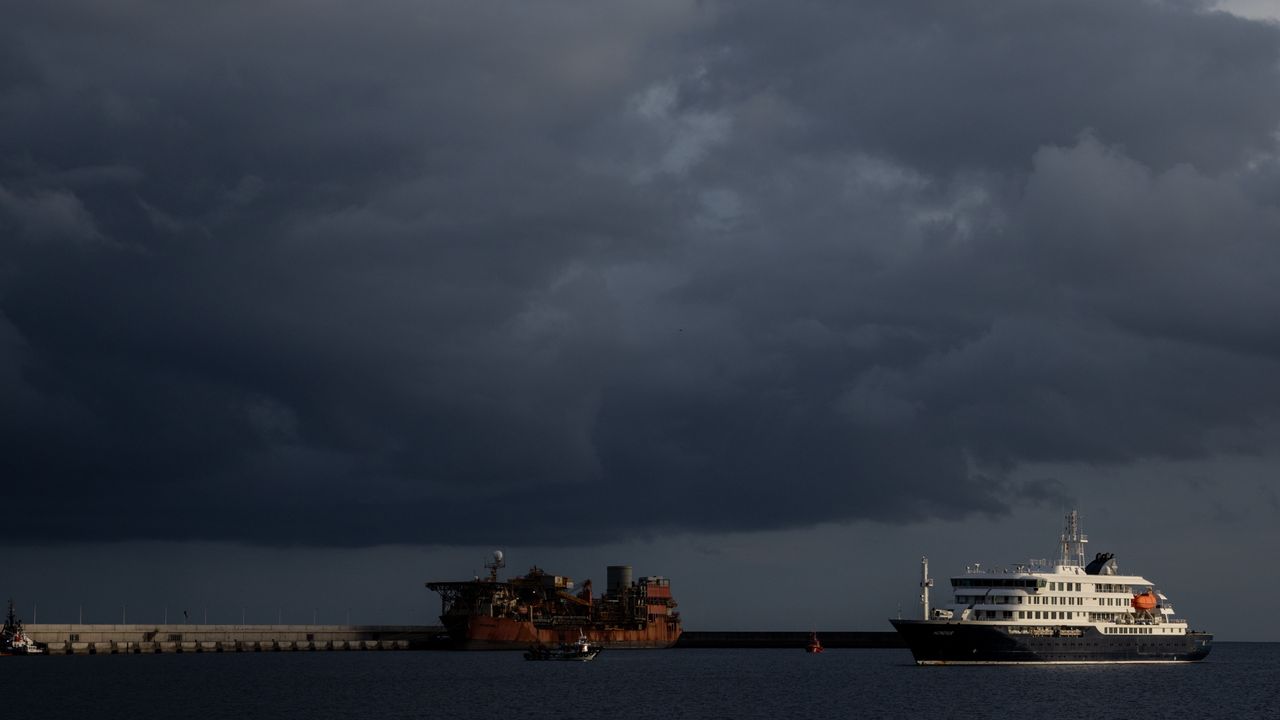
The World Health Organization declared an end to a hantavirus outbreak that infected 13 people and killed three. The outbreak originated on a cruise ship and sparked an international public health response.
Hantavirus typically spreads to humans through contact with infected rodent urine, droppings, or saliva. Person-to-person transmission occurs rarely, making cruise ship outbreaks unusual and concerning due to the confined environment and close quarters among passengers and crew. The virus causes hantavirus pulmonary syndrome, a severe respiratory illness with a fatality rate between 30 and 40 percent in confirmed cases. Symptoms include fever, muscle aches, cough, and shortness of breath, often progressing rapidly to respiratory distress.
The cruise ship setting complicated containment efforts. Ships present unique epidemiological challenges with recirculated air systems, shared dining areas, and limited isolation options. Health authorities had to balance quarantine protocols with the logistics of operating a vessel at sea. The outbreak's three deaths represented a mortality rate of approximately 23 percent among infected individuals, consistent with hantavirus severity.
The WHO's declaration reflects successful containment measures implemented by cruise operators and public health officials coordinating across multiple countries. These likely included isolation of symptomatic passengers, enhanced environmental cleaning, and monitoring of contacts after disembarkation. The ship's crew and remaining passengers underwent health screening protocols.
Hantavirus outbreaks remain rare in cruise ship settings compared to other infectious diseases. The virus's natural reservoir in rodent populations makes maritime transmission unusual unless cargo holds or storage areas harbor infected animals. The specific circumstances of this cruise outbreak warrant investigation by epidemiologists to understand transmission pathways and prevent recurrence.
The incident underscores ongoing vulnerabilities in closed transportation environments and the importance of rapid response protocols. Cruise operators have enhanced their disease surveillance and reporting systems following multiple outbreaks in recent years.