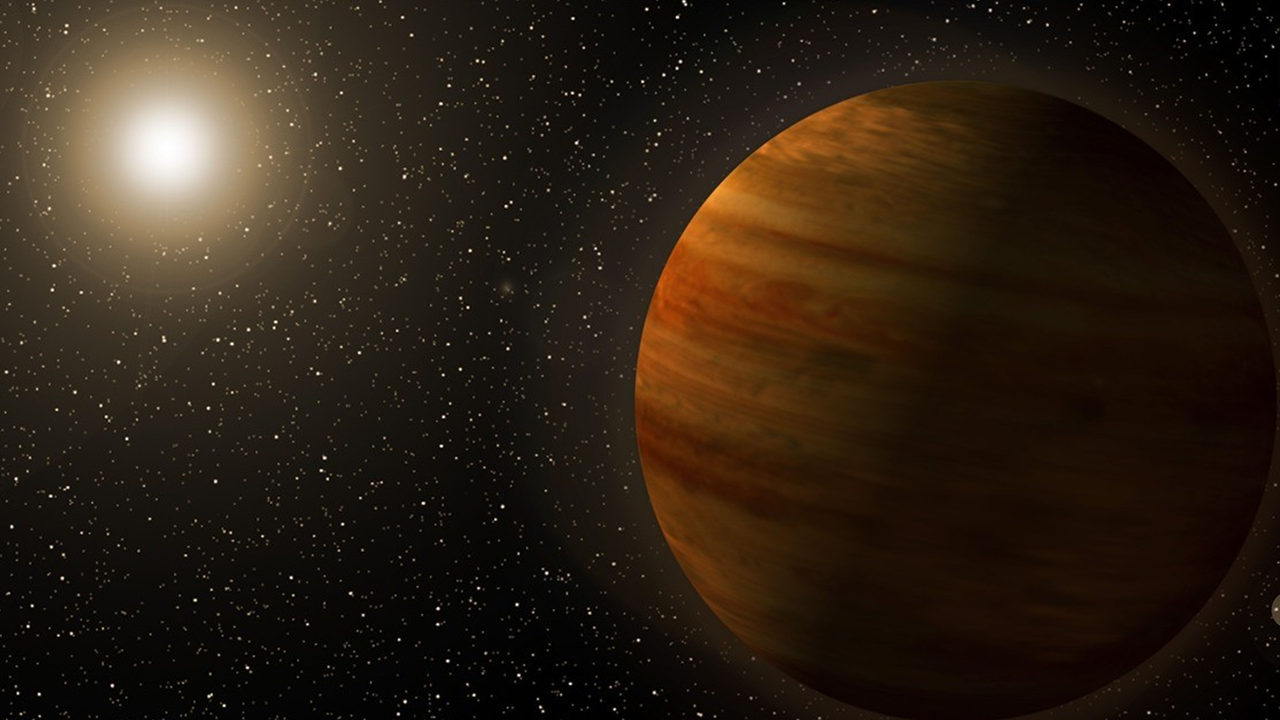
NASA scientists discovered a previously undetected exoplanet by analyzing data from the TESS spacecraft using gravitational lensing, a phenomenon predicted by Albert Einstein's theory of general relativity. The planet remained hidden in existing datasets until researchers applied this detection method, which identifies worlds through the bending of light around massive objects rather than traditional transit techniques.
Gravitational lensing occurs when a massive foreground star bends and magnifies light from a background star, creating a natural telescope effect. When a planet orbits the foreground star, it subtly modulates this magnification, leaving a detectable signature in the light curve. TESS, which launched in 2018, captures brightness measurements of hundreds of thousands of stars, making it ideal for identifying these subtle lensing events.
The discovery demonstrates that TESS data contains more planetary information than previously extracted through conventional methods. Traditional exoplanet detection relies primarily on the transit method, where planets block starlight as they pass in front of their host stars. Gravitational lensing works independently of orbital geometry, potentially revealing worlds that would escape detection through standard approaches.
This technique expands the toolkit for exoplanet discovery at a critical time. Thousands of confirmed exoplanets now exist in the catalog, yet scientists estimate billions remain undiscovered. Gravitational lensing can detect planets at greater distances from Earth than transit methods alone, and it works equally well for planets orbiting distant stars regardless of their orbital alignment relative to Earth.
The finding underscores how archival spacecraft data continues yielding discoveries years after collection. TESS observations provide an unprecedented window into exoplanet populations across the sky. Researchers plan to systematically search remaining TESS data using gravitational lensing techniques, expecting to uncover additional hidden worlds.
This method also complements other detection approaches, including radial velocity measurements and direct imaging