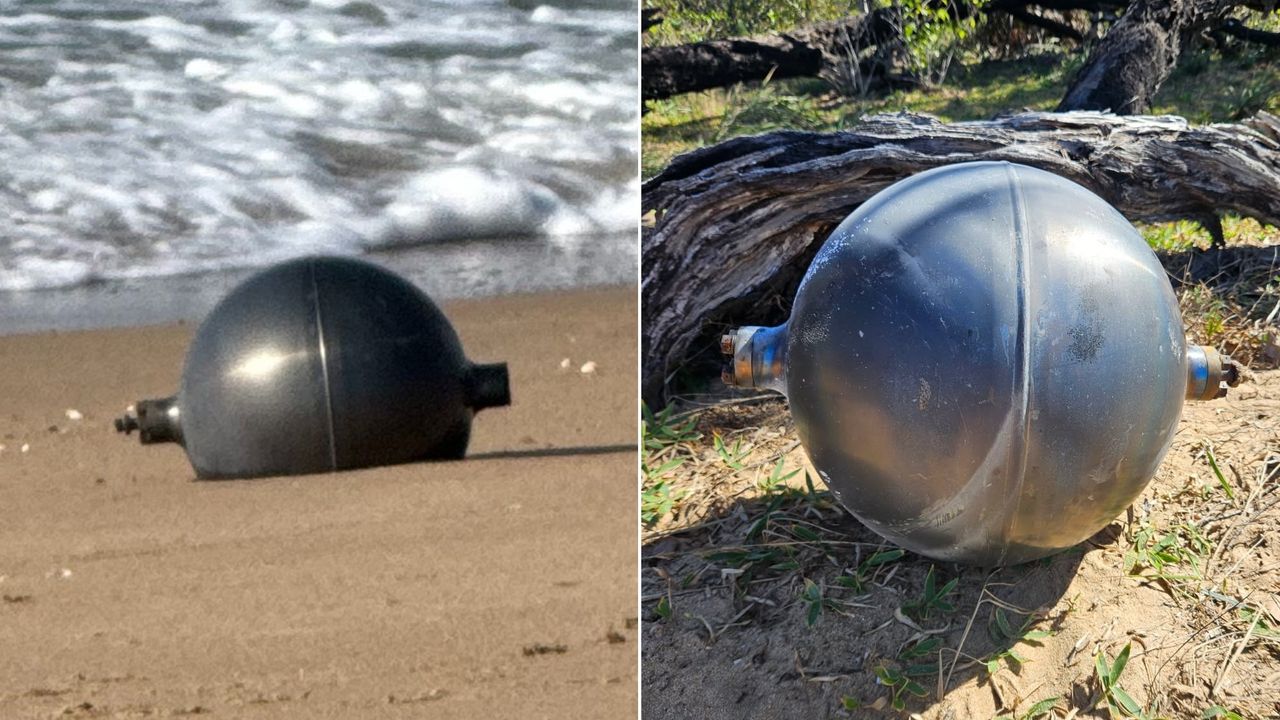
Australian authorities have identified metallic spheres that washed ashore on a Queensland beach as debris from a foreign rocket body, according to the Australian Space Agency.
The spheres, which resembled shiny metal orbs, prompted immediate investigation when residents discovered them on the coastline. The Australian Space Agency confirmed they originated from space debris rather than representing any domestic or unknown threat.
Space debris presents an ongoing hazard in Earth's orbital environment. Objects shed from rockets, satellites, and spent launch vehicles travel at extreme velocities, posing collision risks to active spacecraft. When such debris re-enters the atmosphere, pieces often survive the intense heat and friction, reaching Earth's surface. Most debris lands in oceans or unpopulated areas, but occasional discoveries on inhabited coastlines draw public attention.
The agency's identification of the Queensland spheres as foreign rocket debris follows established protocols for tracking and cataloging space junk. International space agencies maintain databases of known debris objects and monitor their orbital decay. When material re-enters and lands on populated regions, authorities conduct analysis to determine origin and composition.
The discovery prompted the Australian Space Agency to advise Queensland residents to remain vigilant for additional debris. Such warnings serve both scientific and safety purposes, allowing agencies to recover materials for analysis while protecting public health. Some space debris contains hazardous materials or could pose injury risks if handled improperly.
The incident underscores the growing problem of orbital pollution. Thousands of tracked debris objects larger than 10 centimeters currently orbit Earth, along with hundreds of thousands of smaller fragments. Space agencies worldwide have intensified efforts to develop debris removal technologies and establish better launch practices to minimize future contamination.
The Australian Space Agency's swift identification demonstrates improved international cooperation in tracking and managing space debris. Such discoveries, while rare in populated areas, provide opportunities to study re-entry dynamics and improve prediction models for future debris events.