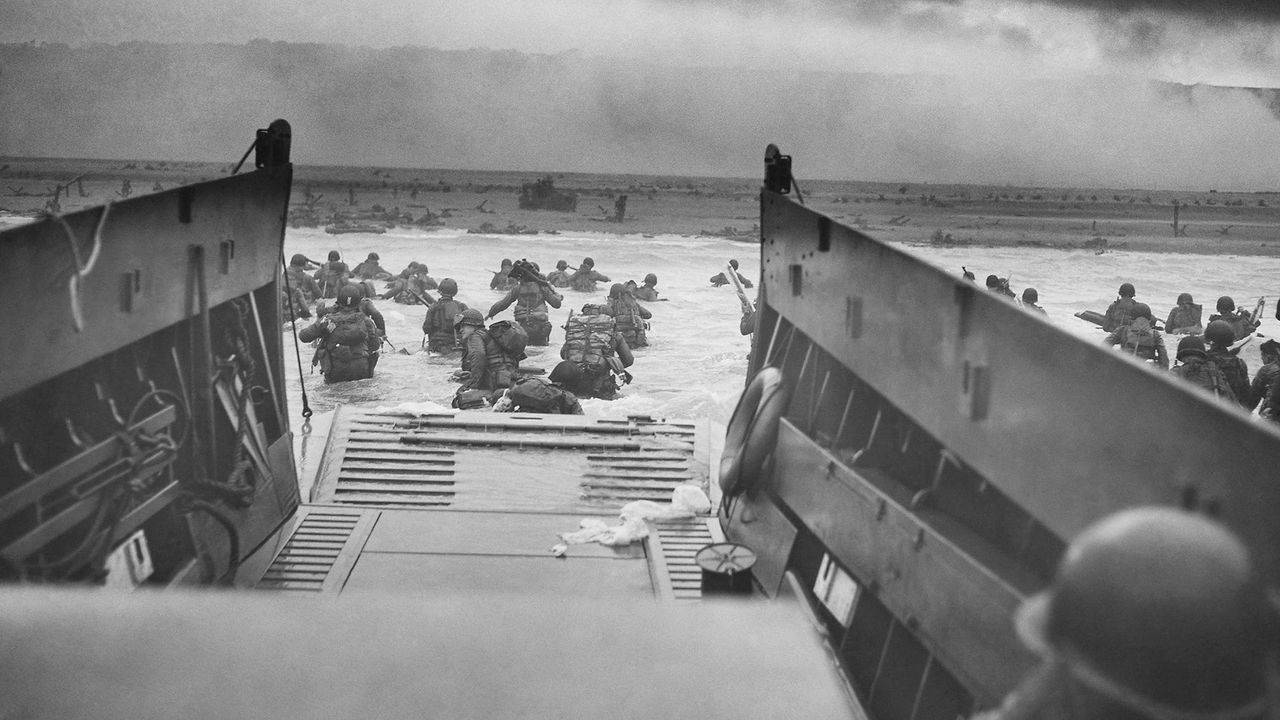
Researchers examining historical conflict patterns have found that identifying a truly war-free period in human history proves remarkably difficult. The question sits at the intersection of archaeology, anthropology, and historical analysis, with scholars disagreeing on both definitions and evidence.
Some researchers point to small hunter-gatherer societies with minimal archaeological evidence of organized violence. Studies of contemporary forager communities suggest certain groups maintained peaceful coexistence for extended periods. However, anthropologists caution that the absence of evidence is not evidence of absence. Archaeological records remain incomplete, particularly for populations without written documentation or monumental structures.
The scholarly consensus leans toward concluding that organized warfare emerged alongside settled agricultural societies around 10,000 years ago. Before that threshold, violence likely existed but took different forms. Paleoanthropologist Keeley's research on pre-state societies revealed that death rates from conflict sometimes exceeded those in modern wars when calculated as a percentage of population.
Even assessing historical periods proves contentious. The "Pax Romana" spanning roughly two centuries saw relative peace within Roman borders, though military campaigns continued at the periphery. Similarly, the Concert of Europe following the Napoleonic Wars created a system minimizing major-power conflict for decades. Yet these periods involved smaller-scale conflicts, proxy wars, or colonial violence elsewhere.
The definition of "war" itself shapes conclusions. If war requires organized military campaigns between state entities, the timeline differs from definitions including tribal raids or low-level violence. This semantic distinction matters enormously for historical claims.
Paleodemographic studies examining skeletal remains offer clues about prehistoric violence rates. Research published in journals like Nature and the American Journal of Physical Anthropology documents trauma patterns suggesting violence existed in pre-state societies, though at varying intensities across regions and time periods.
Most scholars conclude that while brief windows of reduced conflict have occurred, truly comprehensive, sustained peace across human civilization remains undoc