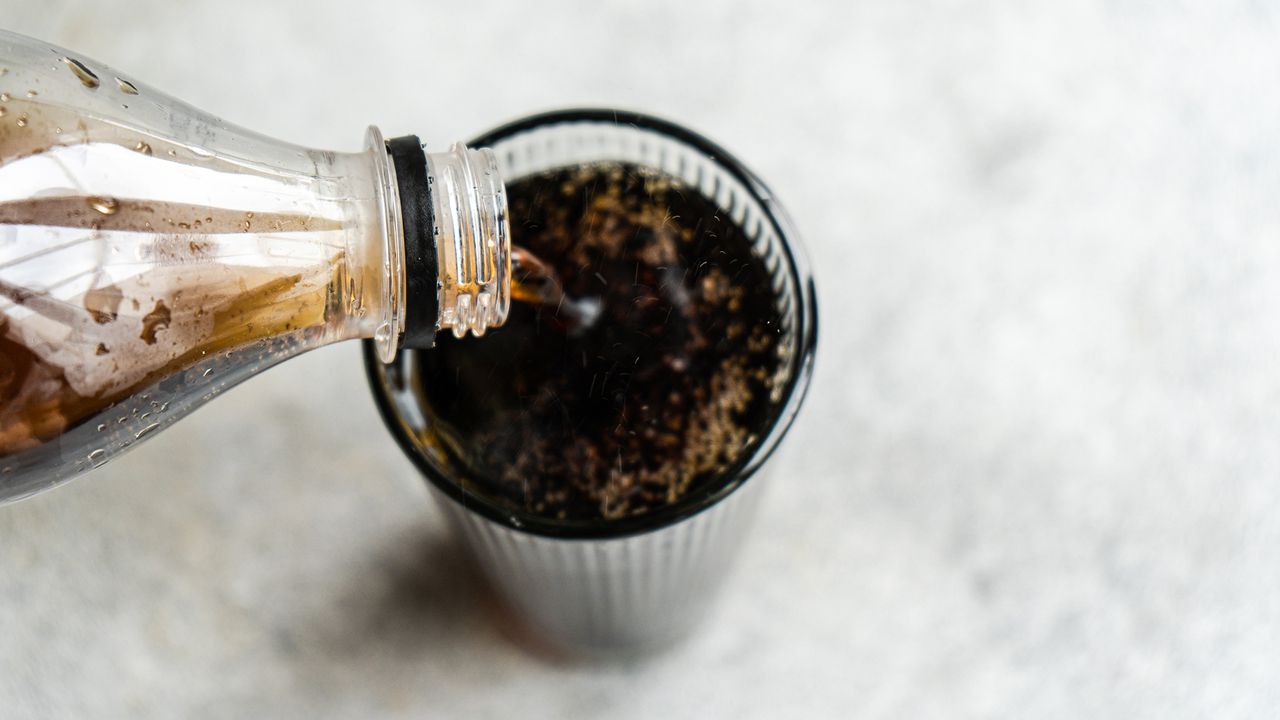
# Ozempic-Style Drug Triggered Bezoar in Woman's Stomach, Dissolved by Diet Soda
A woman's severe abdominal pain originated from a bezoar—a compacted mass of undigested food—lodged in her stomach, likely triggered by a GLP-1 receptor agonist similar to Ozempic, according to a case report. The unusual treatment involved consuming diet soda, which successfully dissolved the obstruction.
GLP-1 drugs slow gastric emptying to promote weight loss by prolonging satiety. This mechanism, while therapeutic for weight management, can trap food in the stomach if patients consume fibrous or poorly digestible materials. The woman's case highlights an emerging clinical complication from the widespread use of these medications.
Bezoars form when indigestible substances accumulate and compact inside the digestive tract. Traditional treatment involves endoscopic removal or surgery. In this case, medical teams employed a non-invasive strategy: carbonated beverages. The carbonation and acidic environment in diet sodas can fragment and dissolve certain types of bezoars, particularly those composed of plant material or hair.
The woman's bezoar dissolved following conservative management with diet soda consumption, avoiding the need for invasive intervention. This approach demonstrates how understanding drug mechanisms can inform novel treatment strategies for iatrogenic complications—conditions caused by medical treatment itself.
As GLP-1 medications become increasingly prescribed for weight loss and diabetes management, gastroenterologists should anticipate bezoar formation, particularly in patients who consume high-fiber diets without adequate hydration. The case underscores the importance of patient education about dietary modifications when taking these drugs.
While bezoars remain rare complications, their emergence in GLP-1 users suggests the need for clinical surveillance and preventive guidance. Patients should avoid fibrous vegetables,