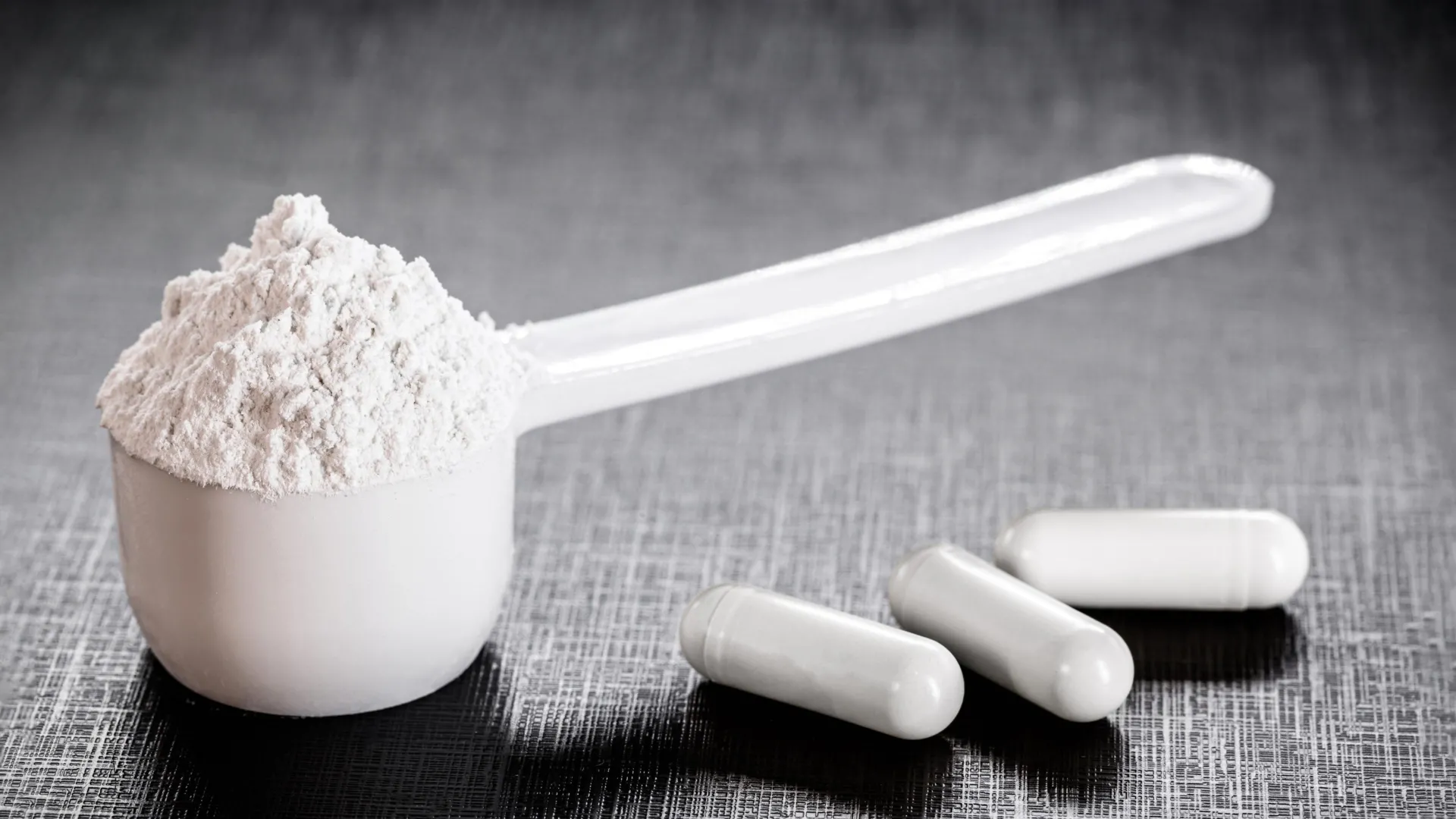
Researchers are exploring creatine, a supplement traditionally linked to muscle growth, as a potential depression treatment by enhancing brain energy metabolism. A new review of five randomized clinical trials involving 238 participants yielded mixed findings that complicate this emerging area of psychiatric research.
Two studies focusing on women with major depressive disorder showed that creatine supplementation combined with standard antidepressant treatment reduced depressive symptoms. Three other trials, however, detected no meaningful clinical benefit from the intervention.
Creatine functions as an energy carrier in cells, supplying adenosine triphosphate, or ATP, the molecule that powers cellular processes. The brain consumes roughly 20 percent of the body's energy despite comprising only two percent of body weight. Researchers hypothesize that depression involves disrupted brain metabolism and that creatine could restore adequate energy supply to struggling neural circuits, particularly in the prefrontal cortex and hippocampus, regions involved in mood regulation.
The inconsistent results reflect several limitations in existing research. The studies varied in creatine dosage, treatment duration, participant demographics, and outcome measurements. The two positive trials exclusively included female participants with major depressive disorder, suggesting sex-specific responses. The three negative trials tested broader populations or different depression subtypes, which may explain their different conclusions.
Study sample sizes remained modest, ranging from dozens to roughly 100 participants per trial. Larger, well-controlled studies are needed to establish whether creatine genuinely reduces depression symptoms or whether earlier positive findings resulted from placebo effects or chance. Researchers must also determine optimal dosing regimens and identify which depression subgroups might respond best.
Creatine carries a relatively safe profile based on decades of use by athletes, with few documented side effects at standard doses. If future research confirms efficacy, it could offer a low-cost, accessible adjunct to existing antid