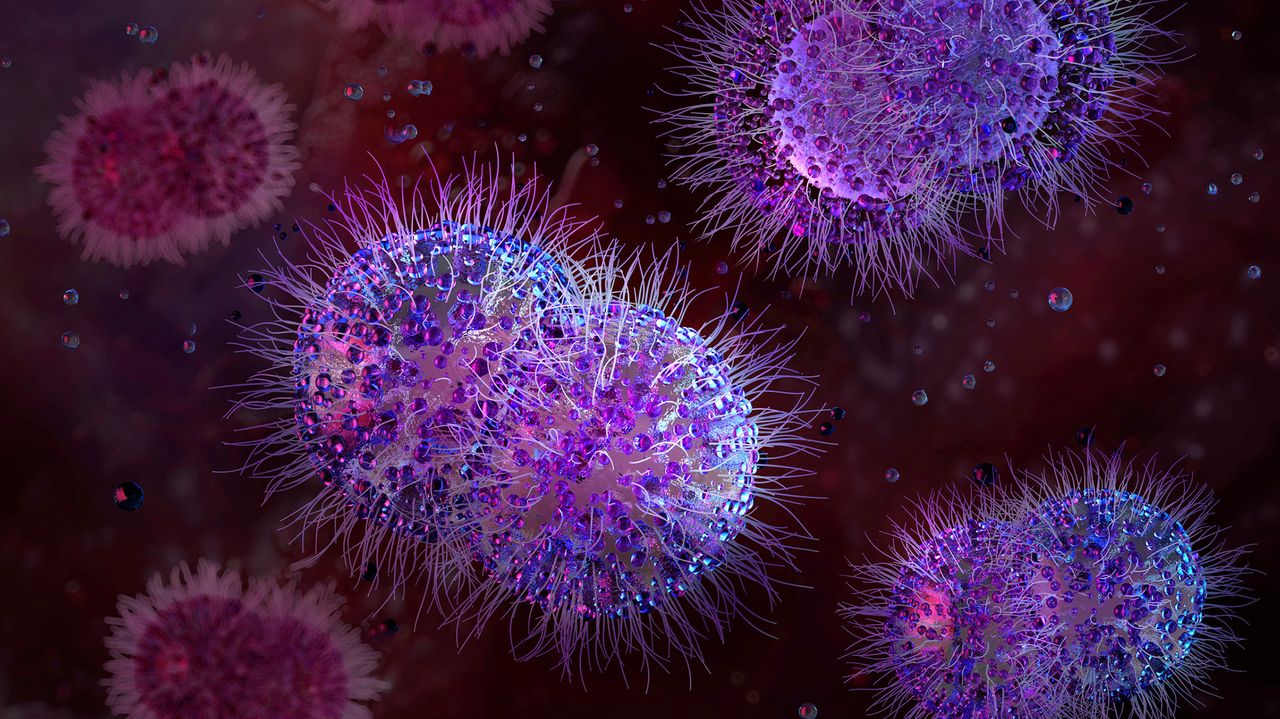
Researchers have used artificial intelligence combined with organ-on-a-chip technology to identify a new antibiotic against gonorrhea. The team trained AI algorithms to screen 6 million molecular compounds, identifying the most promising drug candidate, which they then validated using a laboratory model of vaginal tissue infected with the bacterium Neisseria gonorrhoeae.
The "vagina on a chip" represents a microfluidic device engineered to replicate the biological conditions of human vaginal tissue. By growing vaginal cells in this controlled environment and exposing them to gonorrhea, researchers created a realistic testing platform that avoids animal testing while providing human-relevant results. The AI-identified compound successfully eliminated the infection in this tissue model, demonstrating both the efficacy of the selection process and the utility of the organ-on-chip approach.
This work addresses a public health crisis. Gonorrhea has developed resistance to nearly every antibiotic used against it over the past 70 years, with some strains now resistant to the last-resort drug ceftriaxone. The World Health Organization lists drug-resistant gonorrhea among priority pathogens requiring urgent intervention. Traditional drug discovery methods move slowly and cost billions of dollars, making them inadequate for combating rapidly evolving bacterial resistance.
The AI-driven screening approach dramatically accelerates the discovery timeline by narrowing billions of potential molecules to the most viable candidates before expensive and time-consuming laboratory testing. Pairing this with organ-on-chip technology provides a more predictive and human-relevant testing phase than conventional cell culture or animal models alone.
The researchers have not yet identified the specific antibiotic compound or published their findings in peer-reviewed literature based on the available information. The next phase would involve further preclinical testing and toxicology studies before any potential progression toward clinical trials.
This convergence of AI drug discovery and organ-