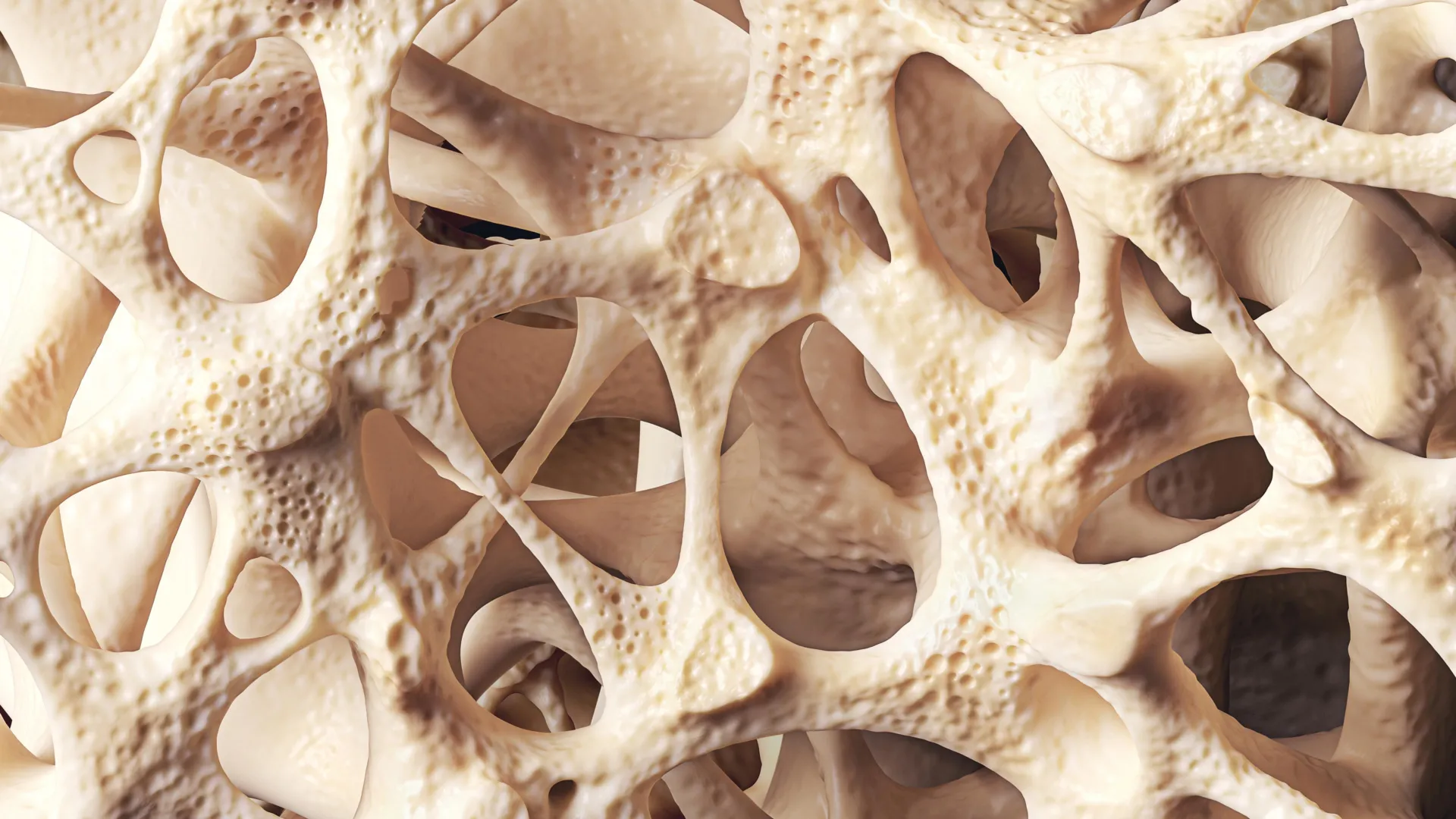
Osteopenia, a condition marked by reduced bone density, affects millions of people without producing symptoms until fractures occur or screening reveals it. Unlike osteoporosis, the more severe form of bone disease, osteopenia typically develops undetected as bones gradually lose mineral content and structural integrity.
Aging represents the primary risk factor for osteopenia. Women face elevated risk following menopause, when declining estrogen levels accelerate bone loss. Men experience similar age-related decline, though typically at later ages. Sedentary lifestyles compound the problem, as weight-bearing exercise stimulates bone formation. Insufficient calcium and vitamin D intake further weakens bones, since these nutrients form the biochemical foundation of bone structure.
Most people discover osteopenia reactively, either after sustaining an unexpected fracture from minor trauma or through bone density screening tests like dual-energy X-ray absorptiometry, or DEXA scans. This delayed detection means many individuals live with unrecognized fragility, increasing fracture risk during everyday activities.
Prevention and treatment strategies focus on lifestyle modifications. Regular weight-bearing and resistance exercises stimulate bone-forming cells called osteoblasts and maintain existing bone mass. Dietary calcium targets of 1,000 to 1,200 milligrams daily support mineralization. Vitamin D, obtained through sun exposure or supplementation, enhances calcium absorption in the intestines. Limiting alcohol consumption and avoiding smoking also preserve bone density.
The condition occupies an important clinical middle ground. While not yet osteoporosis, osteopenia represents a warning signal that intervention can prevent progression to more severe disease. Research indicates that lifestyle changes can halt bone loss decline and sometimes partially restore density in affected individuals.
Screening recommendations vary by age and sex. The U.S. Preventive Services Task Force recommends routine bone density testing for women over 65