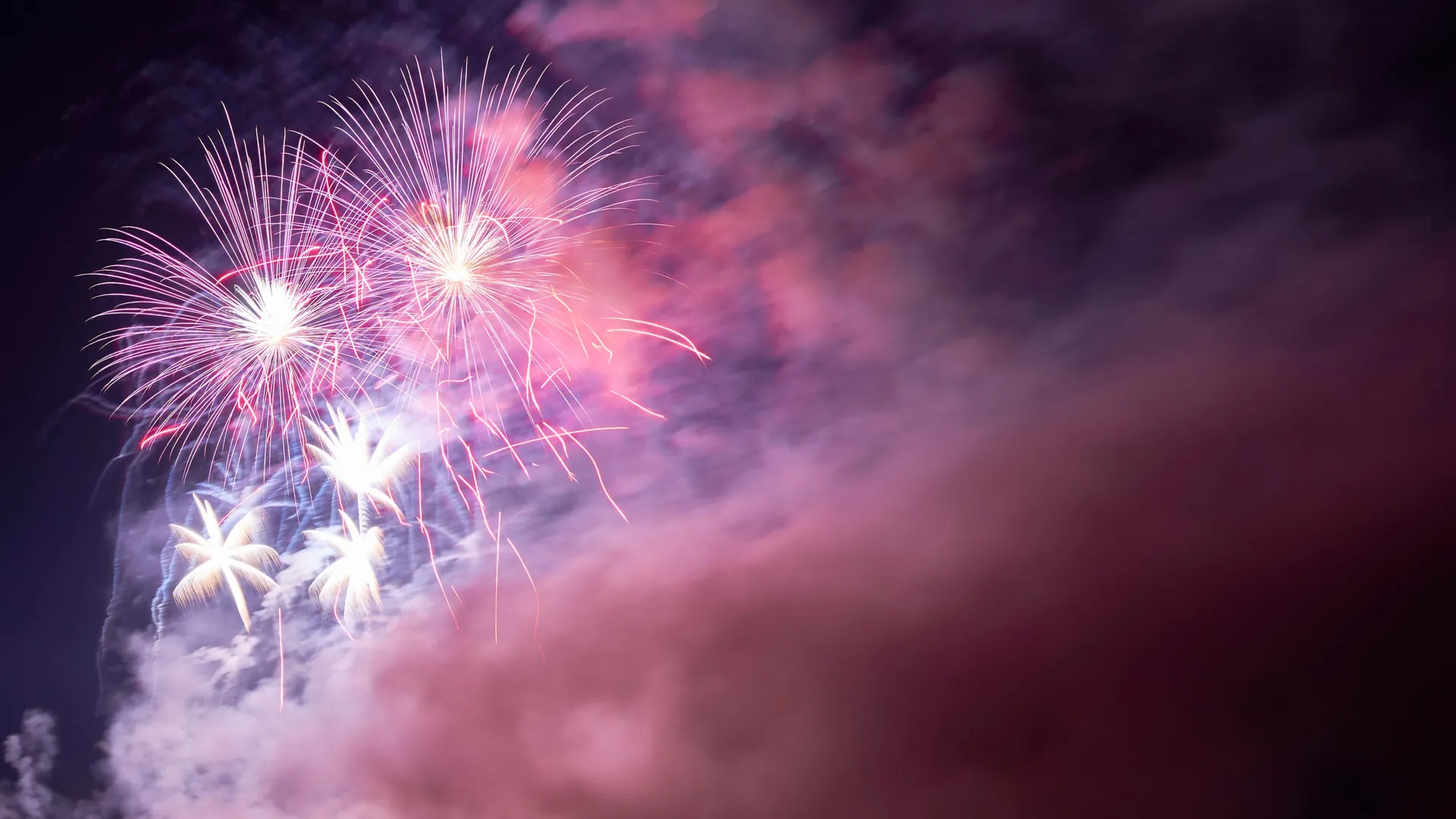
Researchers have identified previously underestimated pollution pathways from fireworks that contaminate both air and water systems during major celebrations. The research reveals that fireworks leave behind fine particles, chemical residues, and debris that persist in the environment long after visible smoke clears.
The study demonstrates that airborne chemicals released during fireworks displays increase human exposure to air pollution beyond what previous assessments captured. These particles settle into waterways and accumulate in soil, creating ecological consequences that extend far beyond celebration dates. The hidden pollution includes heavy metals and combustion byproducts that traditional air quality monitors may not fully detect.
The findings challenge the assumption that fireworks' environmental impact ends with visual smoke dissipation. Fine particulates remain suspended in the atmosphere for hours or days, traveling distances from launch sites. Water pollution occurs as particles and chemical deposits wash from soil into streams and water supplies. These pathways particularly affect communities near popular fireworks venues that experience repeated annual displays.
The research carries implications for public health in densely populated areas where fireworks celebrations cluster on holidays like July Fourth and New Year's Eve. Vulnerable populations, including children and people with respiratory conditions, face elevated exposure during peak celebration periods. Ecosystems receiving repeated fireworks pollution may experience cumulative stress that damages aquatic life and soil organisms over time.
The findings do not mean celebrations must cease, but they suggest fireworks use warrants closer environmental monitoring and regulation. Cities already track air quality during major events. This research indicates water quality monitoring should expand to include post-fireworks testing. Switching to cleaner pyrotechnic formulations and implementing stricter discharge standards could reduce environmental footprint.
The study underscores how conventional pollutants originating from recreational activities escape public attention compared to industrial or vehicular sources. Seasonal fireworks events create measurable environmental disruption that regulation has largely ignored. Future policy decisions around fireworks displays increasingly will factor in