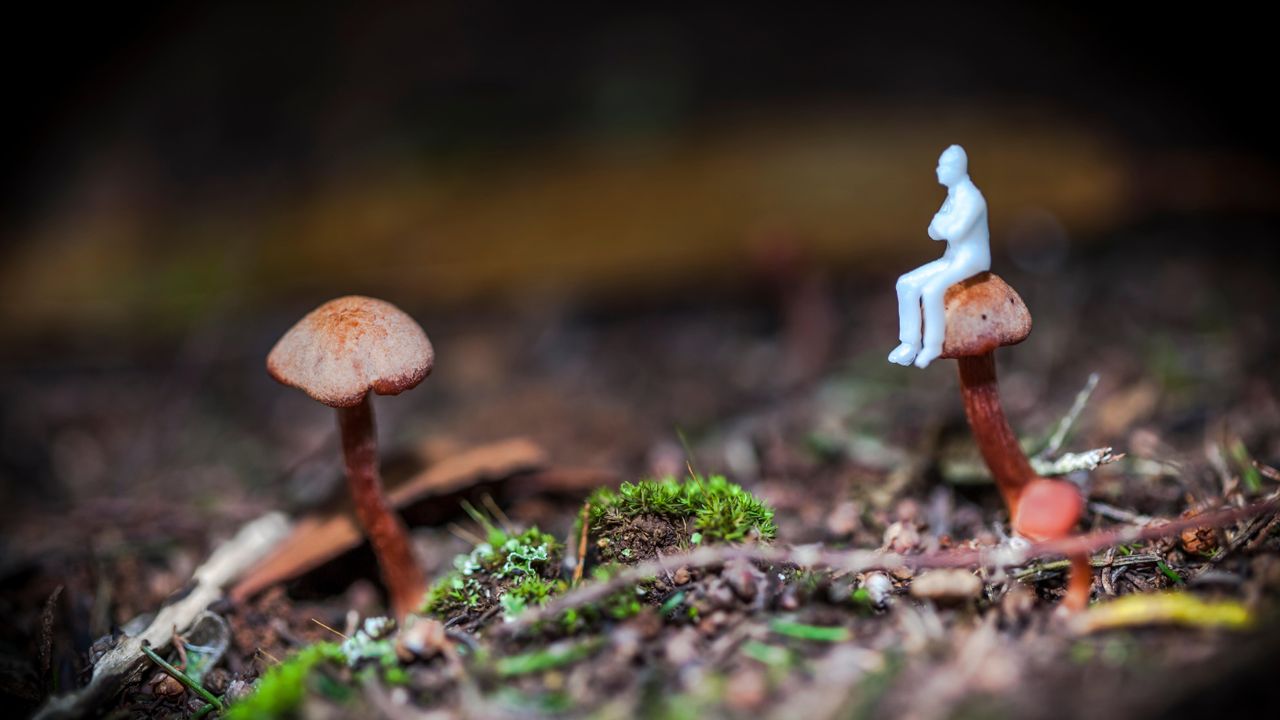
Colin Domnauer, a PhD student in ethnobiology, is investigating a fungus associated with hallucinations of tiny people, work that could lead to the discovery of a novel hallucinogenic compound. Domnauer's research focuses on understanding the chemical mechanisms behind these unusual perceptual experiences, which differ markedly from typical psilocybin-induced hallucinations.
The student's work examines historical accounts and contemporary reports of encounters with diminutive humanoid figures following fungal consumption. By analyzing the specific phenomenology of these hallucinations, Domnauer aims to identify whether a distinct psychoactive compound drives these experiences or whether existing known compounds produce them through different neurological pathways.
Etnobotanical research of this kind bridges traditional knowledge with modern chemistry and neuroscience. Domnauer's approach involves reviewing ethnographic records, interviewing subjects, and potentially analyzing fungal specimens to isolate and characterize any novel alkaloids or other psychoactive molecules. The methodology reflects growing scientific interest in understanding how different hallucinogenic substances produce distinct subjective experiences.
Discovering a new hallucinogenic compound would expand the pharmacological toolkit available for studying consciousness and perception. It could also illuminate how specific chemical structures produce particular types of hallucinations, advancing neuroscience more broadly. Such findings might eventually inform therapeutic applications, though this remains speculative.
The research presents methodological challenges inherent to studying subjective experiences and rare fungi. Obtaining reliable data on hallucinations requires careful documentation and analysis. Additionally, legal restrictions surrounding hallucinogenic substances complicate investigation, though academic research operates under specific regulatory frameworks.
Domnauer's work exemplifies how ethnobiology bridges indigenous knowledge systems with contemporary scientific inquiry. By taking seriously the consistent reports of a specific hallucinatory phenomenon, the student applies rigorous scientific methods to phenomena that might otherwise be dismissed as folklore or anecdotal.