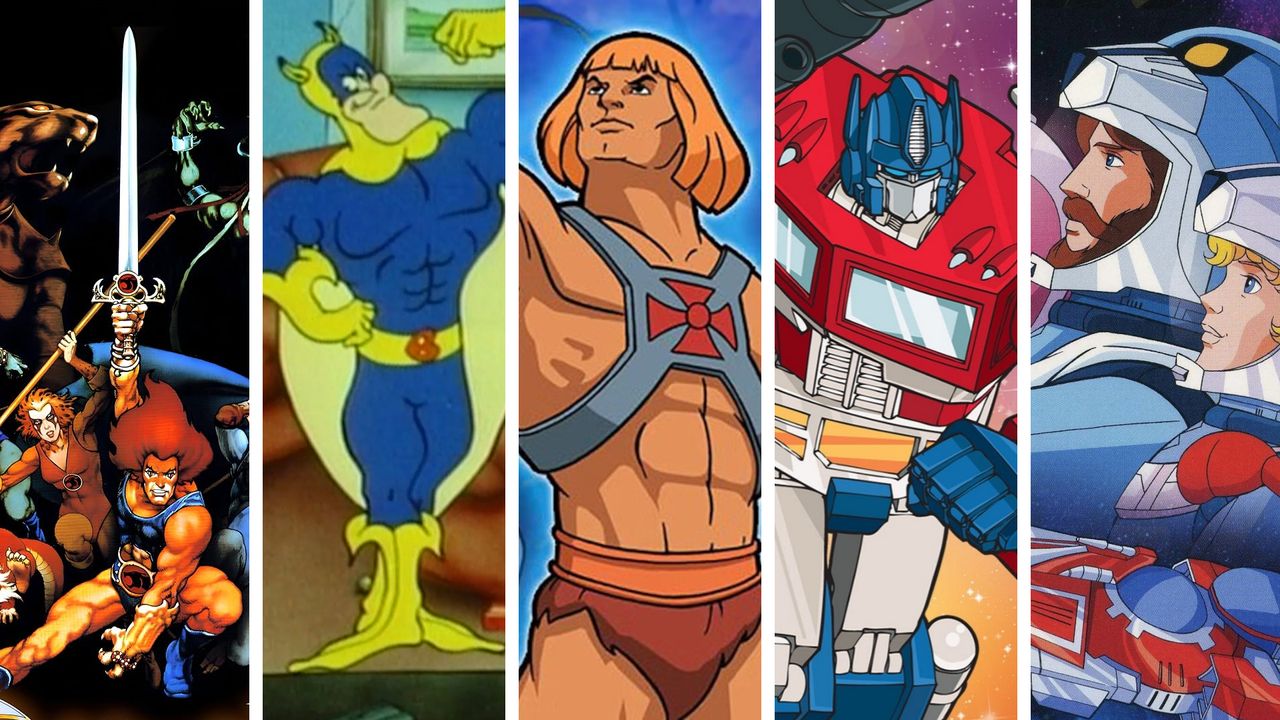
This article surveys science fiction cartoons from the 1980s and 1990s that shaped a generation of viewers, with He-Man and the Masters of the Universe serving as the anchor example. The piece examines how these animated series functioned as both entertainment and marketing vehicles, introducing children to speculative worlds while driving toy sales across the decade.
The cartoons highlighted represent a broad spectrum of sci-fi concepts. Some, like He-Man, became cultural phenomena that transcended their original medium. Others occupied stranger territory, exploring unconventional themes and aesthetics that appealed to niche audiences within the broader Saturday morning cartoon demographic.
The dual nature of these shows reflects the economics of 1980s and 1990s children's television. Networks greenlit animated series partly to satisfy demand for content but primarily to create intellectual property that could sustain toy lines, action figures, and merchandise. This symbiotic relationship between animation studios and toy manufacturers meant that world-building often served commercial purposes as much as creative ones.
These cartoons maintained lasting cultural influence despite their age. Many featured distinctive visual styles and imaginative settings that compensated for animation budgets that were frequently constrained. Whether iconic or obscure, the shows created immersive fictional universes that captured young viewers' imaginations during an era before streaming, when Saturday morning slots represented peak television real estate for children's programming.
The article implicitly documents how science fiction narratives reached mainstream audiences through animation during a transitional period in television history. These shows bridged the gap between earlier space-age optimism and contemporary sci-fi cynicism, often blending adventure, humor, and genuine speculative concepts into formats designed for short attention spans and commercial breaks.