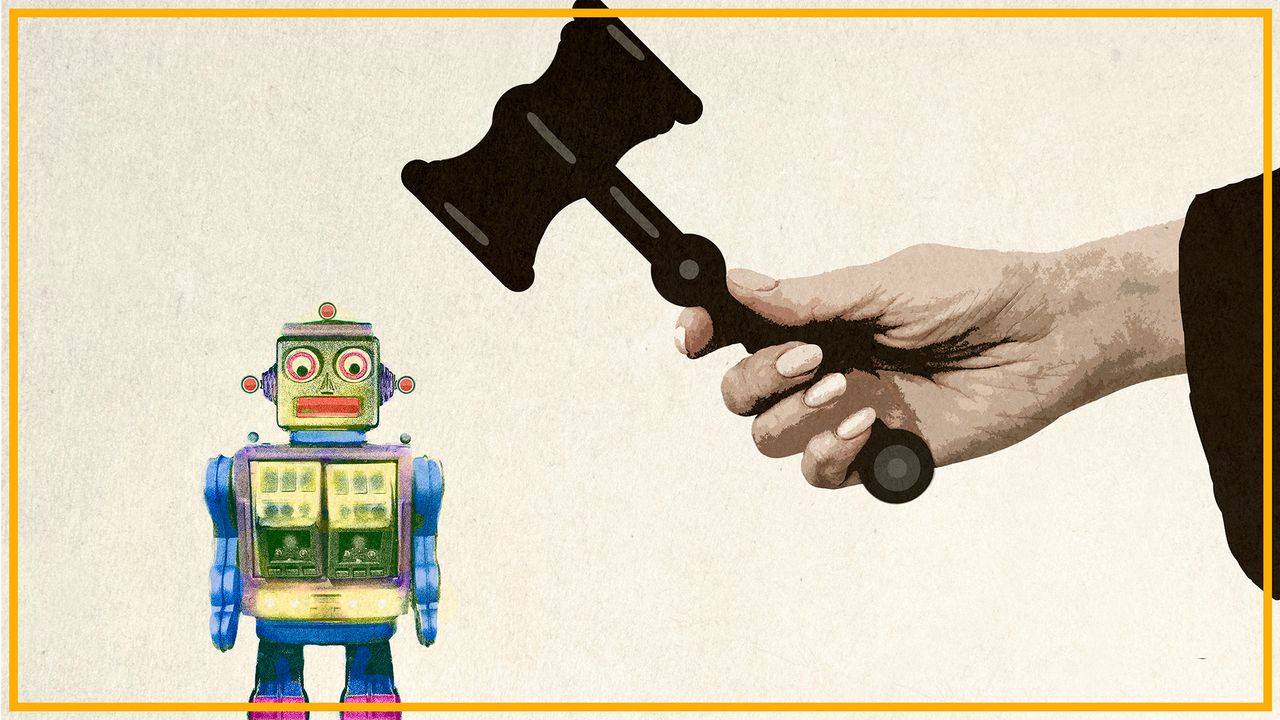
AI chatbots cause measurable real-world harms, yet the companies developing them resist legal accountability for the outputs their systems generate. Courts should establish clear liability frameworks for artificial intelligence companies.
Current legal structures fail to address chatbot-related injuries. When OpenAI's ChatGPT, Google's Bard, or other large language models produce defamatory statements, medical misinformation, or instructions for dangerous activities, victims struggle to identify who bears responsibility. The companies claim they cannot predict or control every output from systems trained on billions of text samples. This argument avoids accountability for foreseeable harms.
The technology itself creates the risk. AI companies design systems explicitly optimized to generate human-like text at scale, knowing some outputs will mislead or injure users. They profit from deployment while externalize costs onto affected individuals. A legal standard similar to product liability makes sense. Manufacturers of physical products bear responsibility when their goods cause harm, even when defects were not intentionally designed. AI companies should face equivalent standards.
Several scenarios demonstrate the need for legal remedies. Chatbots have provided incorrect legal advice, misdiagnosed health conditions, and generated libelous content about named individuals. Some have produced instructions for creating weapons or explosives. Users relying on these outputs suffered documented losses. Without clear liability rules, companies have minimal incentive to implement safety measures beyond public relations investments.
Establishing liability does not require banning AI systems. It requires that developers demonstrate reasonable precautions against foreseeable harms. Content filtering, accuracy testing, and clear disclaimers about limitations represent baseline expectations. Insurance requirements would further encourage risk mitigation.
US courts possess tools to establish these standards without waiting for legislative action. Judges can apply existing tort law frameworks to determine when AI companies act negligently. Setting precedent through litigation clarifies responsibilities faster than legislative processes. Companies operating AI systems should face the